
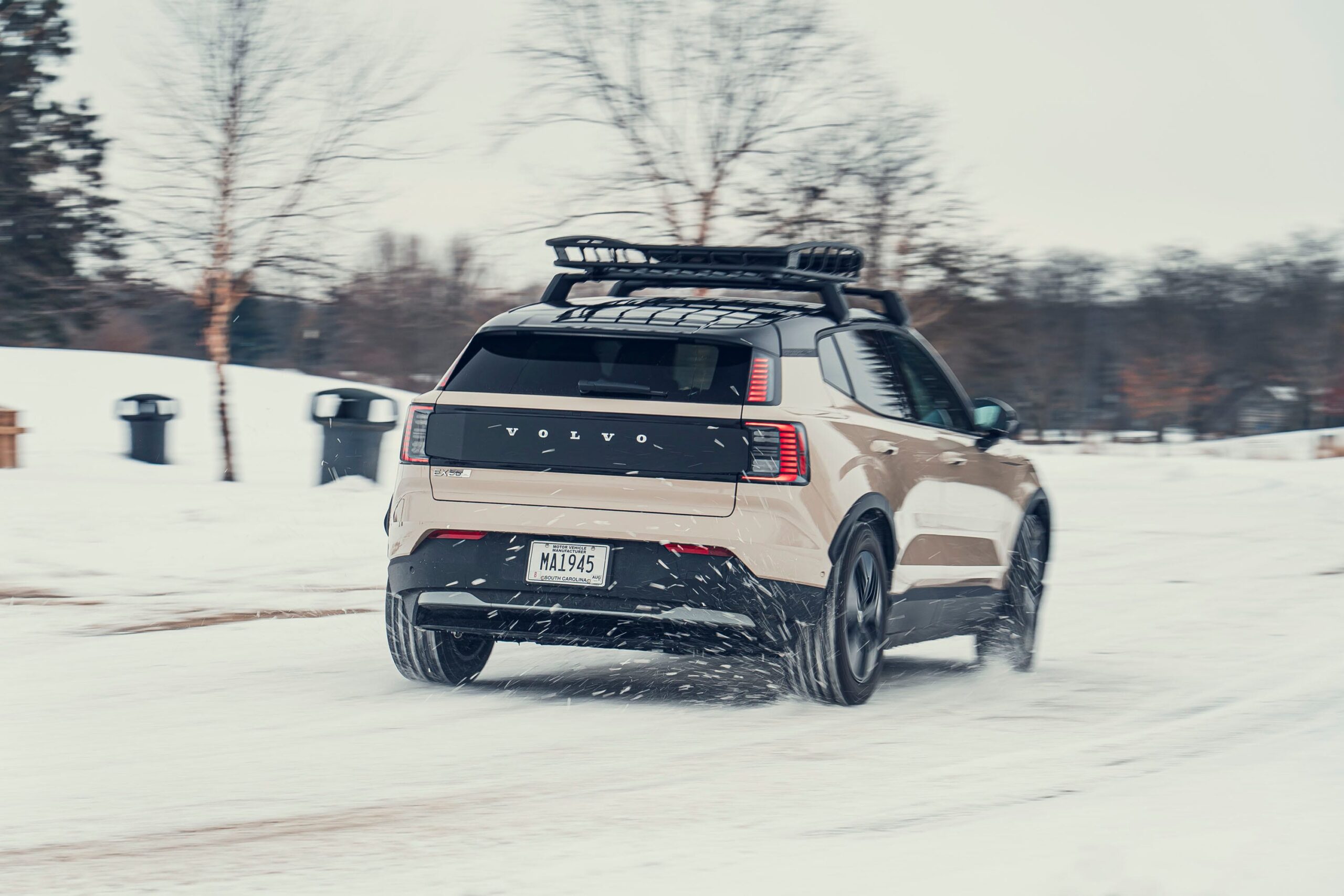


Volvo has pulled the predictable but shrewd move of giving its smallest electric vehicle the Cross Country treatment, rolling out the 2026 EX30 Cross Country with the rugged styling cues that have quietly become one of the Swedish brand’s most reliable sales tools.
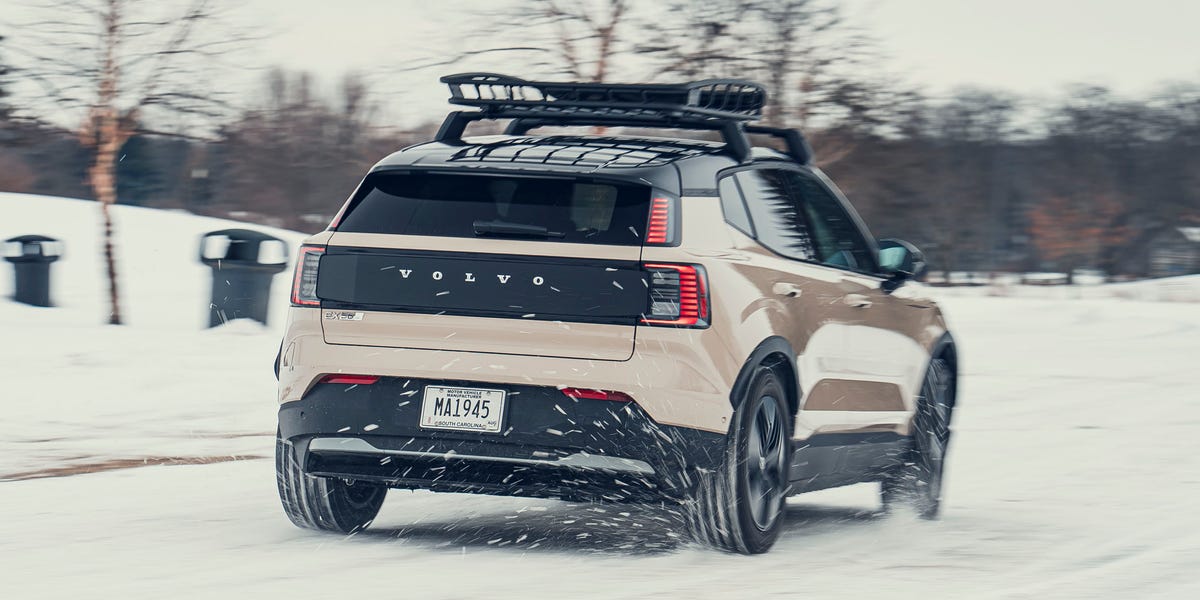
Car and Driver published a full exterior and interior photo spread of the new variant on April 6, with photographer Marc Urbano capturing the EX30 in what appears to be a comprehensive studio and location shoot. The images reveal the expected Cross Country formula: body cladding around the wheel arches, revised bumper trim, and the kind of visual toughening that suggests capability without necessarily delivering much more of it.
The Cross Country badge has been doing heavy lifting for Volvo for decades. It started with wagons — the V70 Cross Country, later the V60 and V90 Cross Country — and each time, the formula was the same: take a vehicle people already liked, add some plastic armor and a slight ride height increase, and charge more. It worked on wagons. It worked on the V60. Now Volvo is betting it works on a subcompact electric crossover that already sits higher than a sedan.
That’s the tension here. The standard EX30 is already a crossover with respectable ground clearance. Adding the Cross Country package to what is essentially a small SUV is a different proposition than bolting it onto a low-slung wagon. Volvo is selling attitude more than altitude.
But the market has proven repeatedly that attitude sells. Look at what Subaru did with the Crosstrek, which is functionally an Impreza with a lift kit and body cladding — it outsells the Impreza by a massive margin. Ford’s Bronco Sport prints money. Buyers want their vehicles to look like they could handle a fire road, even if the most demanding terrain they’ll encounter is a gravel parking lot at a trailhead.
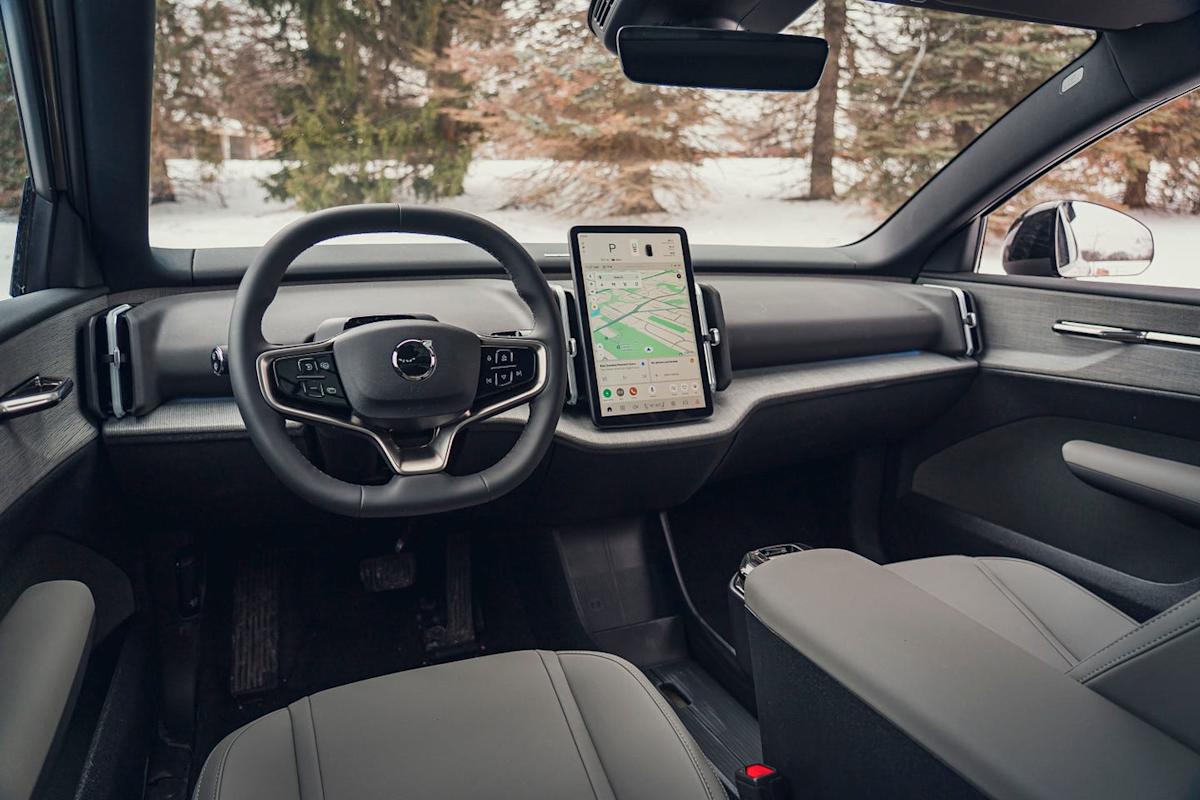
The interior photos suggest Volvo hasn’t dramatically altered the cabin from the standard EX30, which makes sense. The regular model already features that minimalist Scandinavian design language, with a large central touchscreen handling most functions and a stripped-back dashboard that either delights or frustrates depending on your tolerance for screen-dependent controls. The Cross Country likely adds contrast stitching or unique upholstery options, but the bones remain the same.
Volvo needs this kind of variant expansion right now. The EX30 launched into a brutally competitive small EV segment, fighting not just other premium entries but also increasingly capable and far cheaper Chinese-built alternatives in global markets. In the United States, where Volvo has carved out a niche as the thinking person’s luxury brand, a rugged-looking version gives dealers another reason to get buyers through the door.
The timing is deliberate. As tariff pressures and supply chain uncertainty continue to rattle the EV market, Volvo is doing what smart manufacturers do: sweating existing platforms for every possible dollar of revenue. Developing a Cross Country variant costs a fraction of engineering an entirely new model, but it can command a meaningful price premium. It’s efficient product planning dressed up in wheel arch cladding.
No pricing has been confirmed yet, but expect Volvo to tack on somewhere between $2,000 and $4,000 over the standard EX30. The real question is whether the Cross Country cannibalizes base model sales or actually grows the pie by pulling in buyers who wanted something a little more assertive. History says it’ll do both — and Volvo will be just fine with that.

Share this Story