
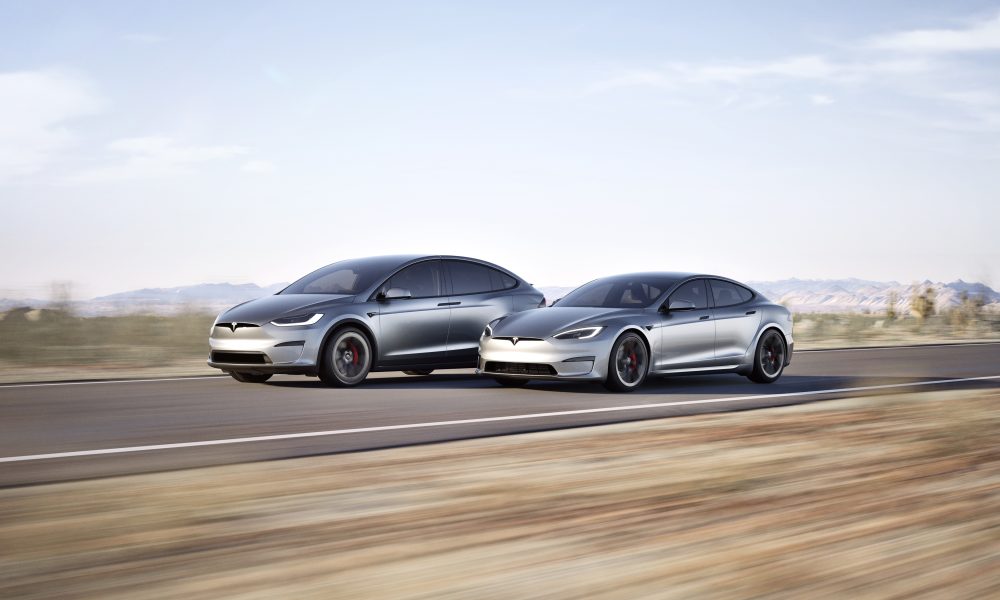


Tesla will release the full design files and software for the Model S and Model X as open source, CEO Elon Musk announced this week. The two vehicles that built Tesla’s reputation as a serious automaker are now being handed over to anyone with the curiosity to tear them apart digitally.
The timing is no coincidence. Production of both models ended in Q2 2026. Custom orders are closed, and only leftover inventory remains on lots.
The Fremont factory floor those cars once occupied now belongs to Optimus robots and the Cybercab. Tesla is not sharing these files out of generosity alone. It is clearing the decks.
This follows the playbook Tesla established in November 2023 when it open-sourced everything related to the original Roadster, dumping engineering drawings, diagnostic documentation, and software into the public domain. That release spawned community simulation projects and gave independent shops a fighting chance at keeping aging Roadsters alive. The Model S and X release should land with far more force, simply because far more of them exist on the road.
For the roughly 600,000 Model S and X owners worldwide, the practical upside is real. Full access to technical documentation, diagnostic tools, and software architecture means independent repair shops can service these cars without begging Tesla’s service network for scraps of information. Parts sourcing, reverse engineering, and third-party modifications all get easier overnight.
Tesla’s own service centers have never kept pace with demand. Wait times for appointments stretch weeks in many markets, and labor rates rival luxury German dealers. Handing the keys to independent shops is less an act of altruism than a quiet admission that Tesla cannot, or will not, support these older vehicles at scale indefinitely.
The broader industry implications are harder to quantify but worth watching. The Model S debuted in 2012 with a battery architecture, thermal management system, and over-the-air update framework that competitors spent years trying to replicate. The Model X added structural complexity with its falcon-wing doors and air suspension.
Engineers at rival automakers, startups, and universities now get to see exactly how Tesla solved problems that defined the first decade of modern EV development.
Tesla framed the move as consistent with its 2014 patent pledge, when it promised not to initiate patent lawsuits against anyone using its technology in good faith. That pledge always carried an asterisk. Patents are one thing.
Actual production-validated engineering files, wiring diagrams, and firmware are something else entirely. This release closes the gap between the promise and something tangible.
There is also a defensive angle. As vehicles age out of warranty and Tesla’s attention shifts to robotaxis and humanoid robots, the company faces growing regulatory and public pressure around right-to-repair. Open-sourcing discontinued models preempts that fight neatly.
The move lands at a moment when Tesla is trying to redefine itself. Q2 earnings showcased 380,000 miles of unsupervised Robotaxi operation with zero notable incidents. The Cybercab is ramping, Optimus is consuming factory space, and the Model S and Model X are now legacy products from a company racing toward a future built on autonomy and robotics.
Releasing their blueprints to the world is a farewell, dressed up as a gift. Whether the community that inherits them can keep these cars thriving for another decade depends entirely on what Tesla actually uploads, and how complete those files turn out to be.
Share this Story