
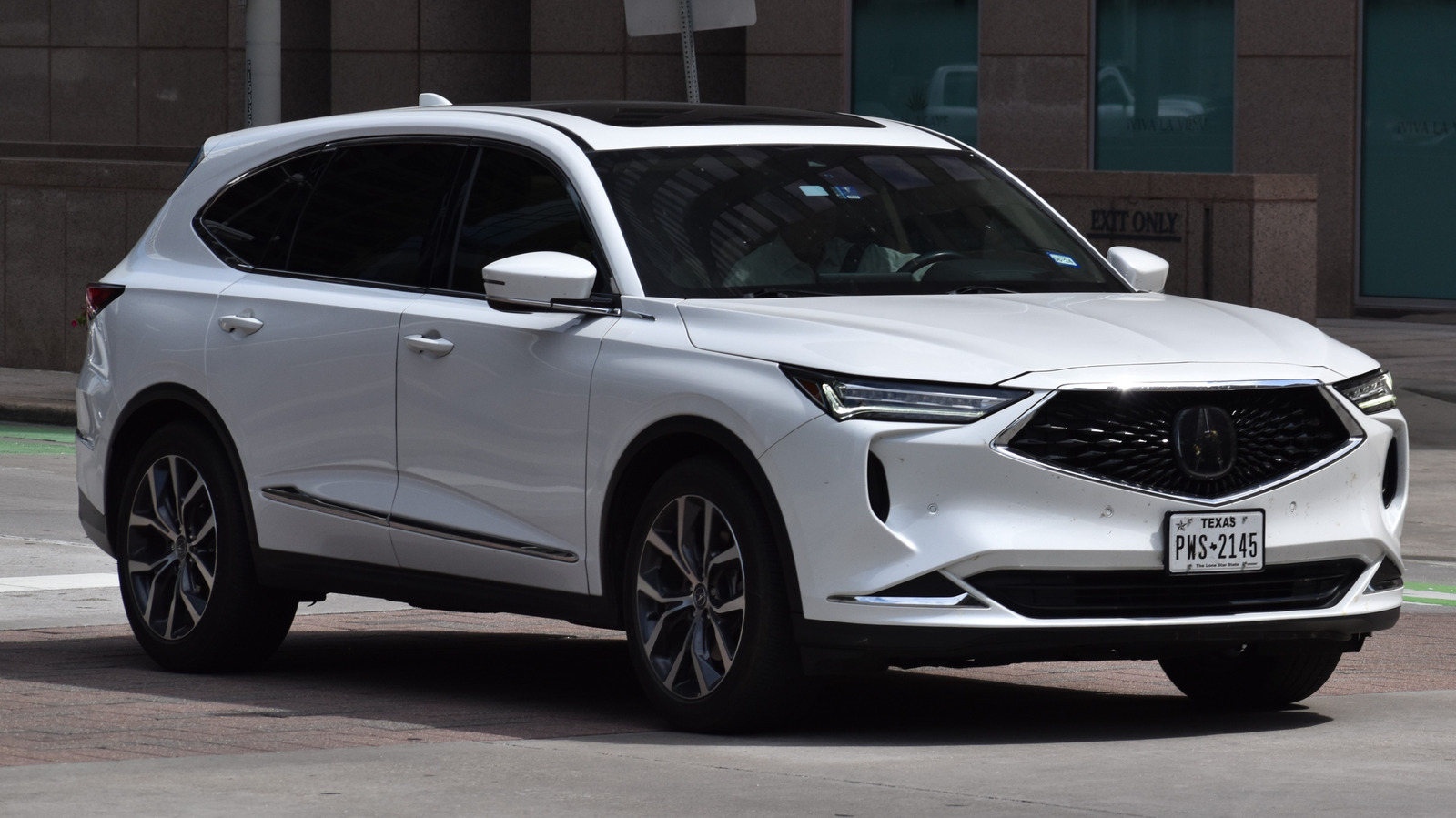


Acura showed its dealers six new or updated vehicles last week. None of them will arrive for about two years. That gap between ambition and execution tells you everything about where the brand stands right now.
The target is 200,000 annual U.S. sales by 2030. To get there, Acura is building out its SUV lineup with models designed to compete in segments it either abandoned or never entered.
The most telling addition is a three-row SUV slotting above the MDX, roughly six inches longer than the current flagship. It will share bones with Honda’s so-called Pilot XXL and take direct aim at the Lexus TX, which has been eating lunch in the large luxury SUV space virtually unopposed by any Honda product.
Then there’s the “adventure-ready” SUV. Acura initially kept details thin, but dealers who saw the preview told Automotive News it’s built on the Honda Passport TrailSport platform. Acura promises unique design work so it won’t feel like a lazy rebadge.
That distinction matters. Buyers in this segment are savvy enough to spot shared sheet metal, and Acura can’t afford to look like it’s just raiding Honda’s parts bin with a markup.
The next-generation RDX may be the linchpin of the entire strategy. Dealers got an early look, and the compact SUV will debut a new design language pulled from the concept Acura unveiled in May, including sideways A-shaped LED taillights that signal a cleaner aesthetic direction.
Under the skin, it rides on Honda’s next-gen hybrid architecture, which the company says will cost 30 percent less to produce and deliver 10 percent better fuel efficiency. If those numbers hold, the margins on the RDX could fund the rest of the lineup’s ambitions. The current RDX already accounts for a large share of Acura’s volume, so a sharper, more efficient replacement could carry even more weight.
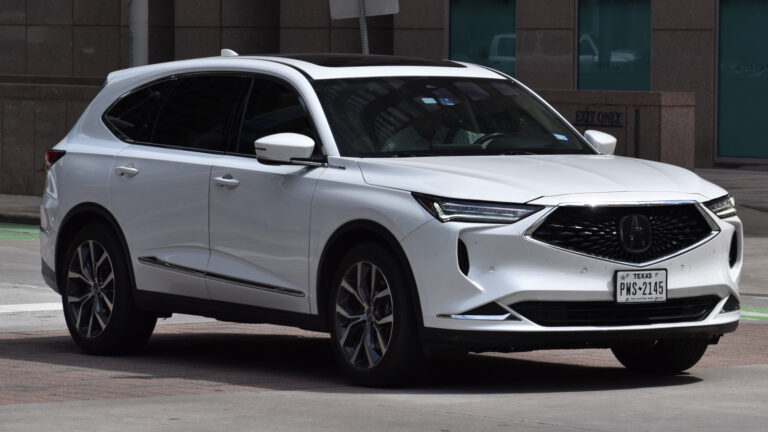
A new MDX is also in development. Dealers saw design elements but not the complete vehicle, and no launch date has been confirmed. Best estimates put it at 2029 or later, meaning the current generation, on sale since 2022, will stretch past seven years. That’s a long lifecycle for a luxury three-row competing against fresher entries from Genesis, Lexus, and BMW.
Rounding out the product blitz are a limited-run Integra Type S with a special paint scheme and updated versions of the current ADX and MDX. These are smaller plays, meant to keep showroom traffic moving while the real product offensive takes shape.
The tension here is timing. Acura is showing its cards early, giving dealers enough to stay engaged but asking them to hold on through what could be a tough stretch. Two years is a long wait when your competitors are launching new metal now.
Lexus just refreshed its lineup. Genesis keeps pushing. BMW and Mercedes aren’t standing still.
Acura has been through this cycle before, promising a return to form, sketching out bold plans, then delivering late or delivering something that doesn’t quite match the pitch. The concepts look right. The hybrid cost savings sound right. The segment targeting is smart.
But concepts don’t sell cars. Dealers who sat through last week’s presentation are now back on their lots, moving the same inventory they had before. The 200,000 number hangs out there like a dare Acura made to itself, with the clock already running.

Share this Story