
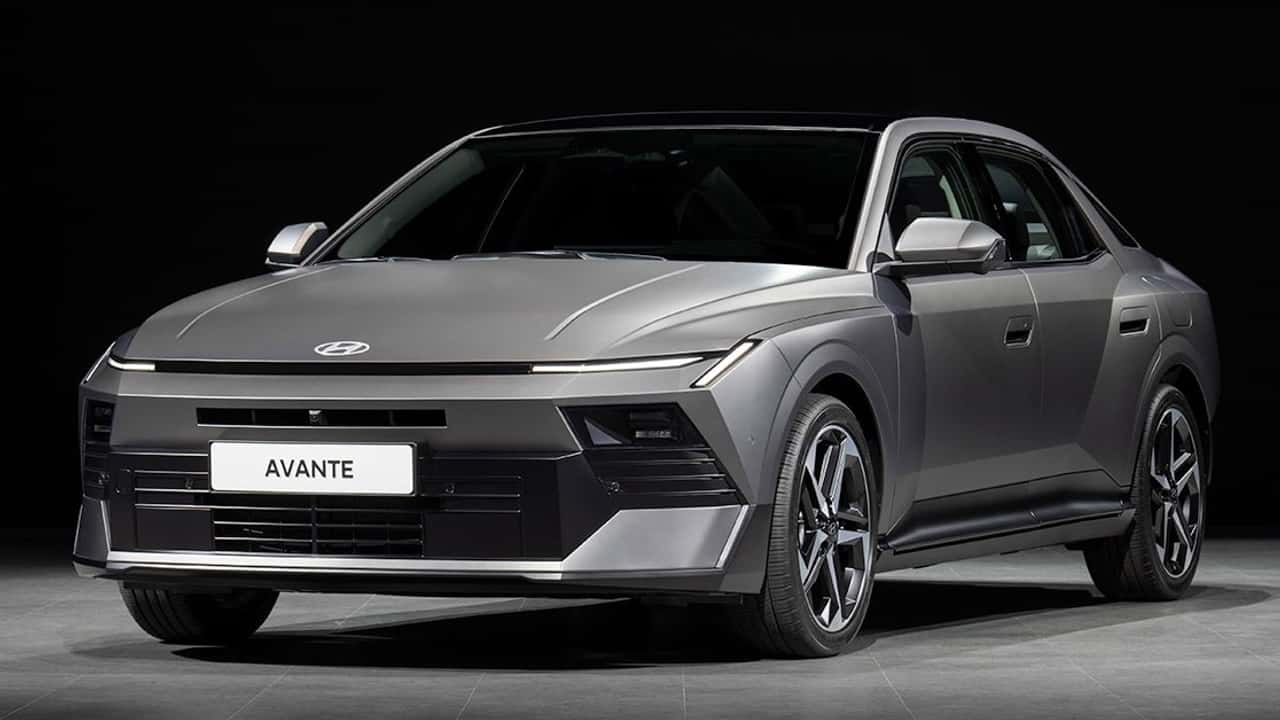


Hyundai’s next-generation Elantra Hybrid returns nearly 50 miles per gallon combined despite being larger and more powerful than the car it replaces. That’s a 10 percent improvement in fuel efficiency over the outgoing model on the Korean test cycle. It lands at a moment when hybrid demand in America is surging.
Korean fuel economy figures peg the eighth-generation Elantra Hybrid at 21.2 kilometers per liter, roughly 49.87 mpg combined, on 17-inch wheels. The seventh-gen car managed 19.2 km/l, or about 45.16 mpg, on the same size rubber. The new hybrid powertrain bumps output to 155 horsepower, a gain of 16 horses over the current model, and it does so while carrying more weight on a bigger platform.
The catch is in the translation. EPA ratings and Korean test cycles don’t line up neatly. The current Elantra Hybrid earns 54 mpg combined from the EPA on 16-inch wheels, dropping to 50 mpg for 2026 models rolling on 17s. The new Korean figure on 17-inch wheels lands right in that same neighborhood, which suggests the US number could hover around 50 mpg or possibly dip slightly below it.
Hyundai hasn’t officially shown the North American version yet, and specs can shift during localization. Tuning, emissions calibrations, and wheel and tire packages all affect final EPA numbers. But the mechanical bones are clear: the 1.6-liter four-cylinder hybrid architecture carries over with refinements that extract more from every drop of fuel, even as the car grows in every dimension.
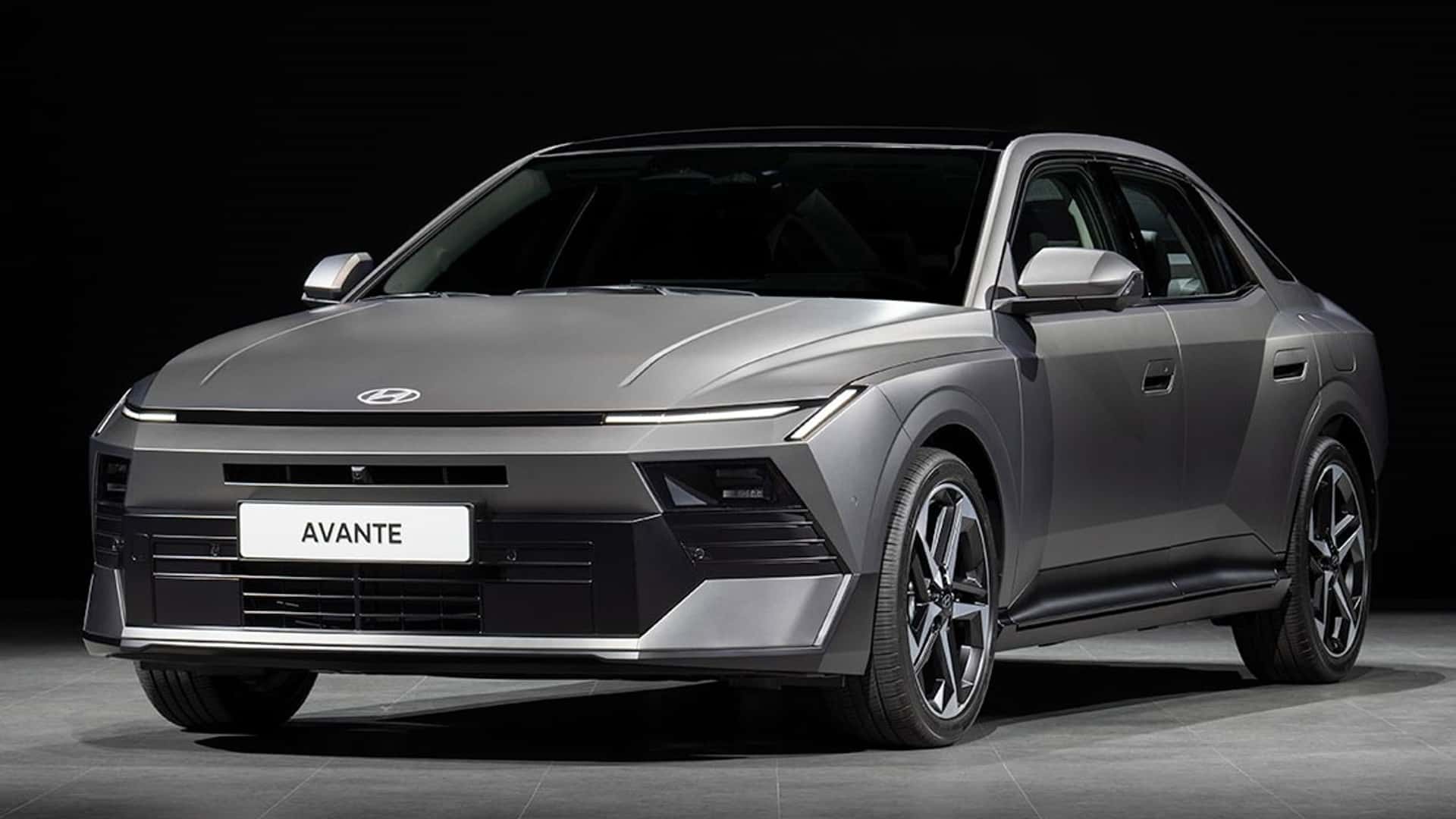
This is the eighth generation of a nameplate that has quietly become one of Hyundai’s most critical volume sellers. The redesign, first shown in South Korea in June under its domestic Avante badge, abandons the polarizing creased styling of the current car for something cleaner and more conventional. It mirrors what Hyundai did with the latest Sonata, pulling back from aggressive design language to broaden appeal.
The timing is no accident. Hyundai recently crossed one million global hybrid sales and has publicly declared its intent to challenge Toyota’s dominance in the segment. Toyota still owns the hybrid conversation in the minds of most American buyers. But the Elantra Hybrid has been quietly chipping away at that advantage with competitive pricing and fuel economy that matches or beats the Corolla Hybrid.
Fifty miles per gallon in a car that’s roomier and quicker than before is the kind of math that sells itself on dealer lots. Hybrid sales across the industry climbed sharply through 2024 and show no sign of leveling off. Buyers who balked at full EVs, whether over range anxiety, charging infrastructure, or price, have been flooding into hybrids as a comfortable middle ground.
Hyundai clearly engineered the new Elantra with that wave in mind. The 10 percent efficiency gain on the Korean cycle, achieved alongside a power bump and dimensional growth, points to real engineering progress in the hybrid system rather than a simple repackaging exercise.
A North American debut is expected soon. The question is whether the EPA numbers will match the Korean improvement or whether the larger, heavier sedan gives back a mile or two per gallon on US testing protocols. Either way, Hyundai is positioning the Elantra Hybrid as the car for buyers who want hybrid efficiency without compromise, and a direct shot across Toyota’s bow.


Share this Story