


A record 12 percent of German drivers who replaced a combustion car in the second quarter of 2026 chose an EV, more than double the rate from January and February. The survey, conducted for insurer Huk-Coburg and reported by Bloomberg, pins the cause squarely on fuel prices that topped €2 per liter after the war on Iran began in late February. That is the first time pump prices cleared that threshold since 2022, and they have not come back down.
High-mileage drivers, those covering more than 12,000 kilometers a year, switched at rates well above the average buyer. Nearly a quarter of respondents said fuel costs alone pushed them to consider an EV for the first time. These are not early adopters chasing tech. They are commuters doing arithmetic.
Germany’s government had already seeded the ground with a January subsidy program offering purchase and leasing incentives for zero-emission vehicles. That alone pushed EV conversion rates to a record in the first quarter. The fuel spike layered urgency on top of policy, and the two forces are now feeding each other in ways neither could accomplish alone.
Europe-wide, new EV registrations drove the continent’s largest jump in new-car sales since late 2023 when June figures landed. The trend is not a German peculiarity. But Germany is where BMW lives, and BMW happens to be mid-launch on the deepest EV product offensive in its history.
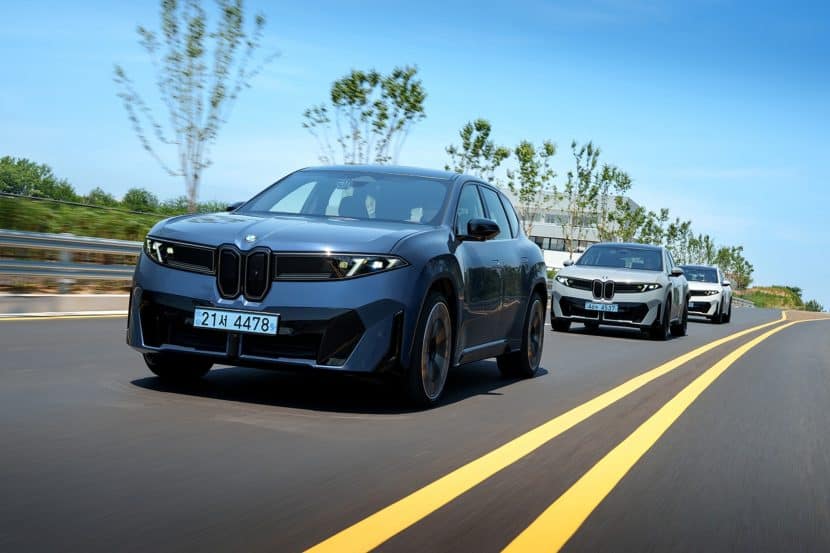
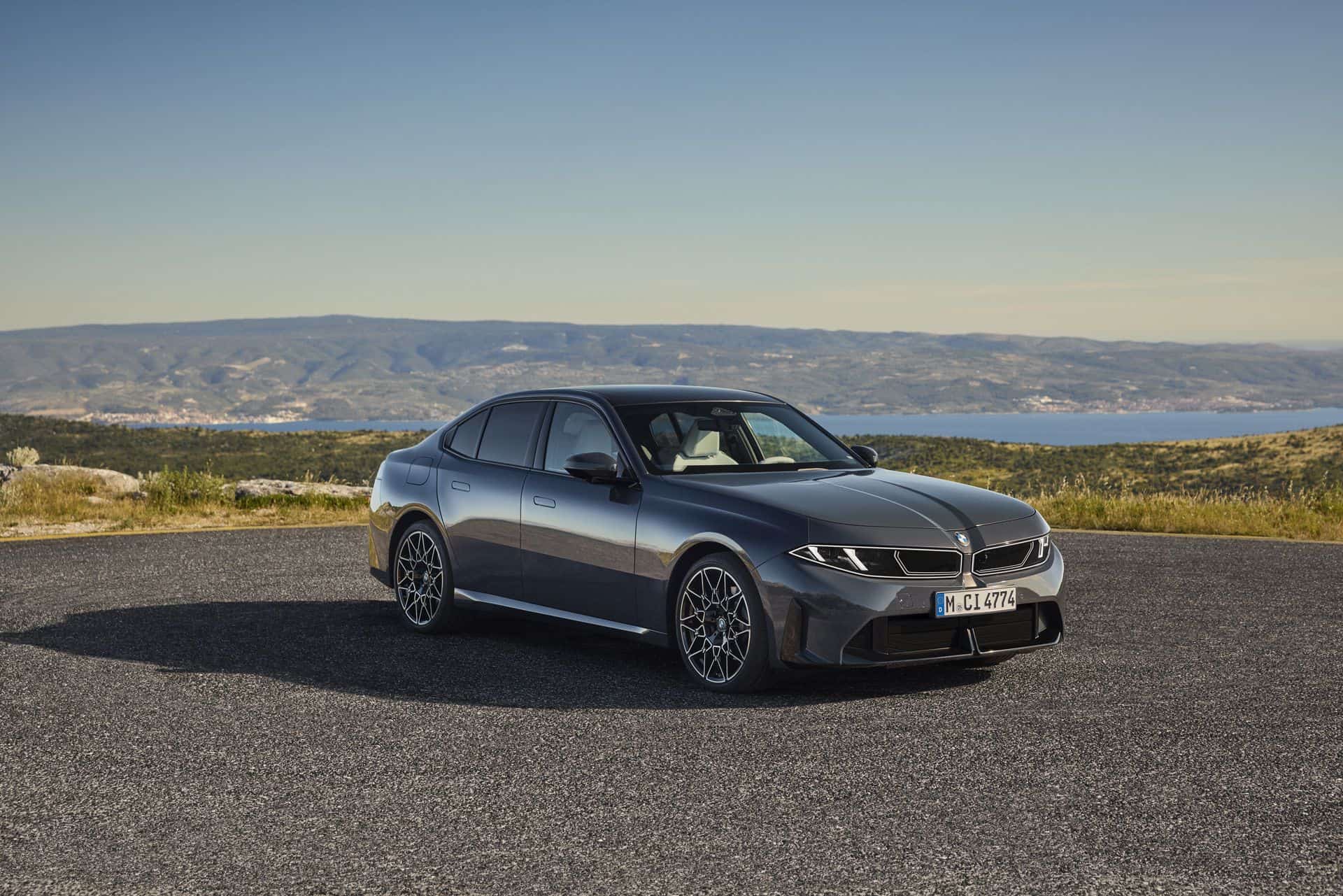
The Neue Klasse iX3 kicked things off with 800V architecture, Gen6 eDrive motors, cylindrical battery cells, and a new electronics backbone. The i3 followed as the electric 3 Series replacement, designed to pull German commuters directly out of diesel 320ds. Its grille nods to the 2002 and 2500 rather than the outgoing i4, a deliberate aesthetic reset.
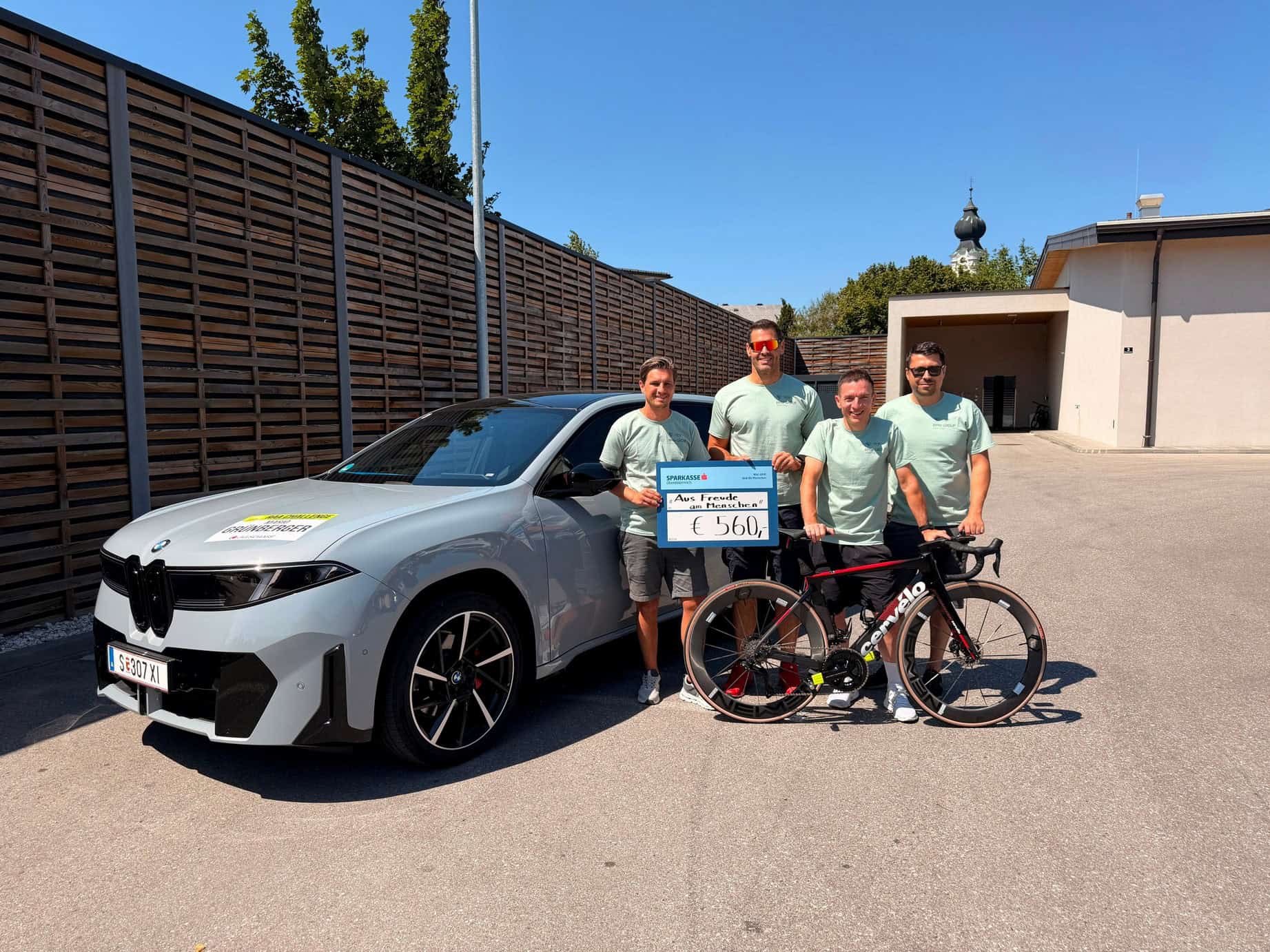
From there, the cadence accelerates. The iX4 arrives as a coupe-SUV derivative of the iX3 with 40 xDrive and 50 xDrive versions before an M60 xDrive follows in March 2027. The iX5 shares its production line with the next combustion X5 and adds a 60 xDrive for the 2027 model year.
The iX7 targets the Cadillac Vistiq and Mercedes EQS SUV at the top of the lineup. An i3 Touring wagon has been teased. A refreshed i7 brings a 112.5 kWh pack with a claimed WLTP range up to 452 miles.
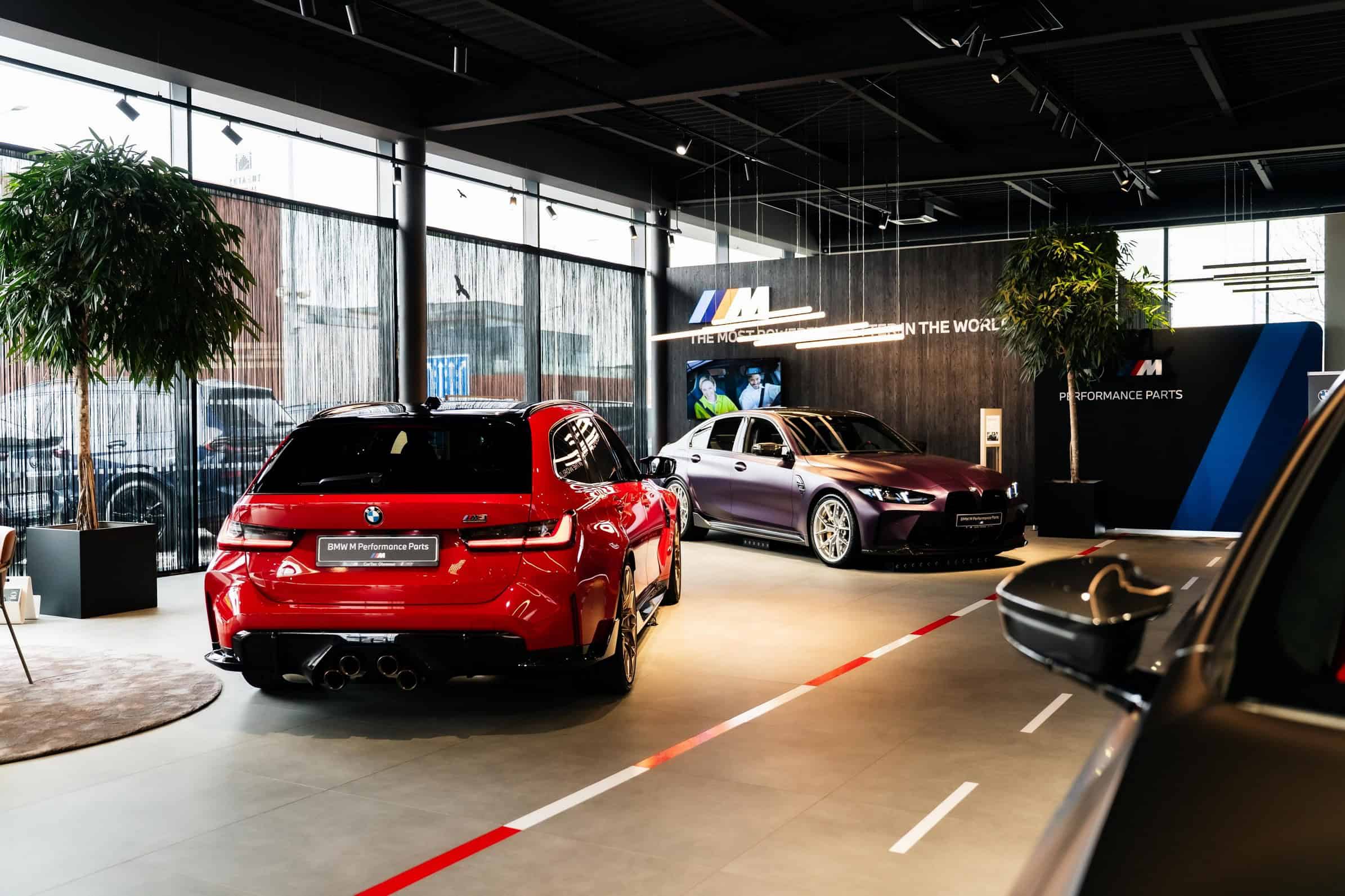
Then there is the electric M3, badged ZA0, due in 2027. BMW M boss Franciscus van Meel has positioned it as M’s first true electric performance car, not a tuned-up i4 wearing borrowed credentials. Add a refreshed i5 and BMW is launching roughly a car every few months into a market that just discovered a very visceral reason to buy one.
BMW spent years absorbing criticism for moving slower on EVs than Tesla or BYD. Competitors shipped product while analysts questioned the delay. BMW kept refining the Neue Klasse platform instead of rushing something half-baked to market, and that patience only works if the cars arrive while the pain at the pump is still fresh.
The company has said Neue Klasse technology will reach around 40 new or updated models by the end of 2027. Germany’s fuel-driven EV surge is landing in the middle of that rollout, not before it and not after it.
But the variables BMW cannot control are the ones that matter most. The war in Iran could end and take fuel prices with it. Subsidies expire, and consumer urgency is not a permanent condition.
The window is open right now, and BMW is climbing through it with more product than it has ever had ready at once. Whether that window stays open long enough for the full lineup to land is a question no one in Munich can answer yet.
Share this Story