
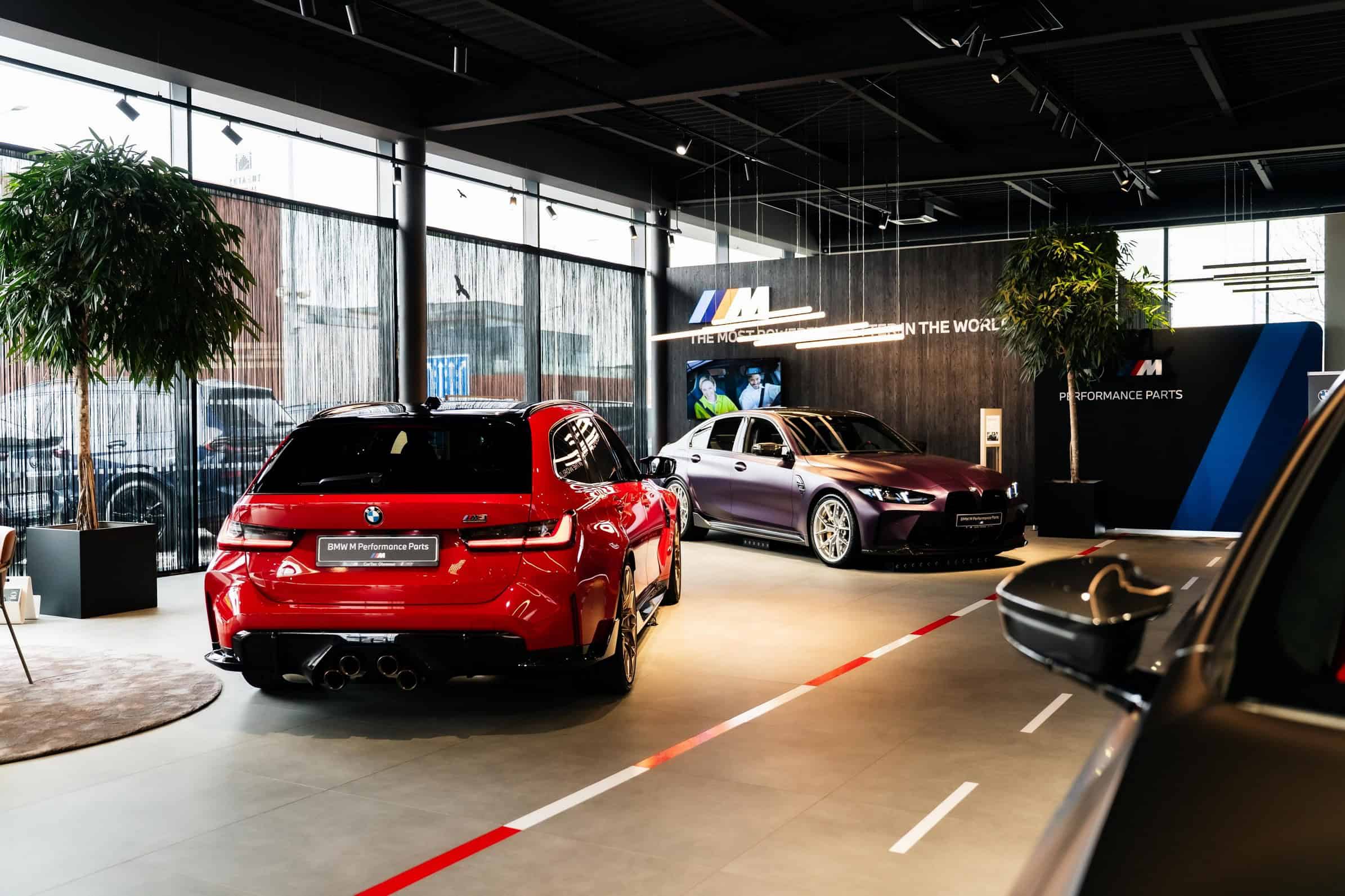


The days of playing one BMW dealer against another for the best price in Europe are numbered. BMW has confirmed it will expand its agency model, already live for MINI across 24 European markets, to the core BMW brand starting in mid-2027.
This was supposed to happen in 2026. BMW delayed the rollout, insisting the extra time was about refining the system, not rethinking it. Now there’s a firm date, and the infrastructure built around MINI’s transition serves as the proving ground.
The agency model rewrites the fundamental economics of car selling. Dealers no longer buy inventory from BMW and mark it up. Instead, they act as agents, earning a fixed commission per vehicle sold. BMW sets the price, owns the customer data, and controls the transaction from first click to final signature.
For the retail network, this means more predictable income but less autonomy. That ritual of walking into a showroom in Stuttgart, getting a quote, then calling a dealer in Hamburg to undercut it? Gone. The haggling culture that has defined European car buying for decades gets replaced by a take-it-or-leave-it number set in Munich.
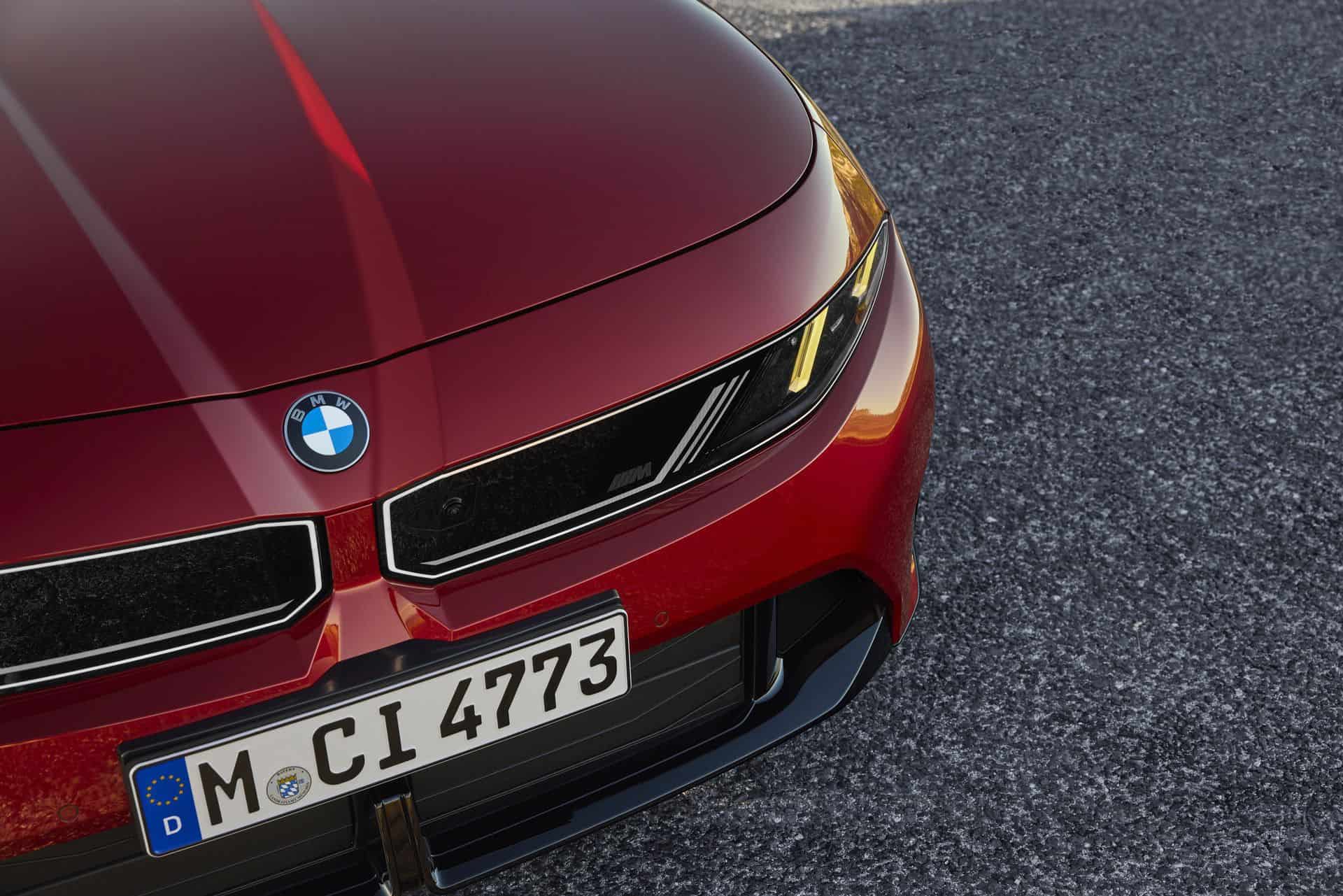
BMW frames this as omnichannel retail. A customer can start configuring a car online, book a test drive at a local dealer, return to the digital platform, and complete the purchase wherever they feel comfortable. The physical showroom doesn’t disappear. It just becomes one node in a network BMW orchestrates centrally.
The company says AI will serve as the foundation of its entire sales system. That’s a bold claim for a company that still needs humans to hand over keys and explain how iDrive works. What it likely means in practice is algorithmic pricing optimization, predictive inventory management, and targeted customer engagement across every touchpoint.
The timing aligns with BMW’s broader push to slim down. The company has already telegraphed the death of the 2 Series Active Tourer after its current generation and promised fewer model variants across the lineup. Fewer cars, tighter pricing control, and centralized data collection all point toward margin protection in an era of intensifying competition from Chinese EV makers and a Tesla operation that has practiced direct sales since day one.
MINI’s 24-market rollout gives BMW real operational data, but MINI sells a fraction of what the core brand moves. Scaling this to the 3 Series, 5 Series, X3, and the rest of the portfolio is an entirely different challenge. Dealer networks across Europe vary wildly in size, sophistication, and legal standing. Some markets have strong franchise protection laws that complicate agency transitions.
BMW has already made clear this strategy is not heading to the United States or Australia, where regulatory and market dynamics make it impractical. Europe is the test case for the company’s biggest nameplates.
The dealers still standing when this rolls out will look fundamentally different from the ones that existed a decade ago. They will be showroom operators and service providers on BMW’s terms, not independent businesses setting their own prices. Whether that trade, stability for sovereignty, proves worth it depends entirely on what those fixed commissions look like. BMW has not disclosed those numbers yet.
Share this Story