


Katoen Natie, an Antwerp-based logistics giant with global reach, just handed BMW Group Belux the largest single-manufacturer electric vehicle order in Belgian history. One thousand cars. All electric. Delivered by the end of 2027.
The deal replaces more than 1,000 combustion-powered vehicles in Katoen Natie’s fleet with a mix of BMW and MINI models. The iX1 and MINI Countryman Electric will form the backbone of the order, but the contract also pulls in two Neue Klasse flagships: the iX3 and the i3 sedan.
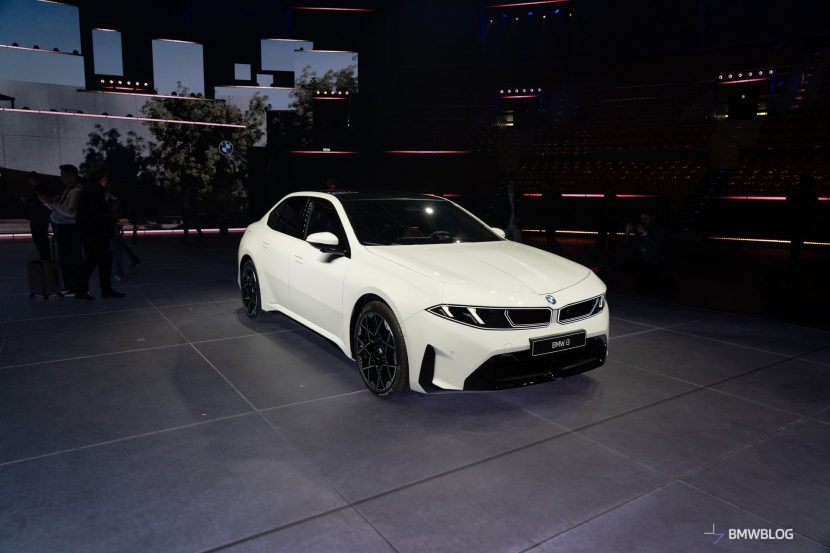
That last detail is the interesting one. The iX3 is already rolling off double shifts at BMW’s new Debrecen plant in Hungary, but the i3 won’t start production in Munich until August. Katoen Natie is pre-ordering a car that doesn’t exist yet on a factory floor, a bet on BMW’s next-generation architecture before most retail customers have even sat in one.
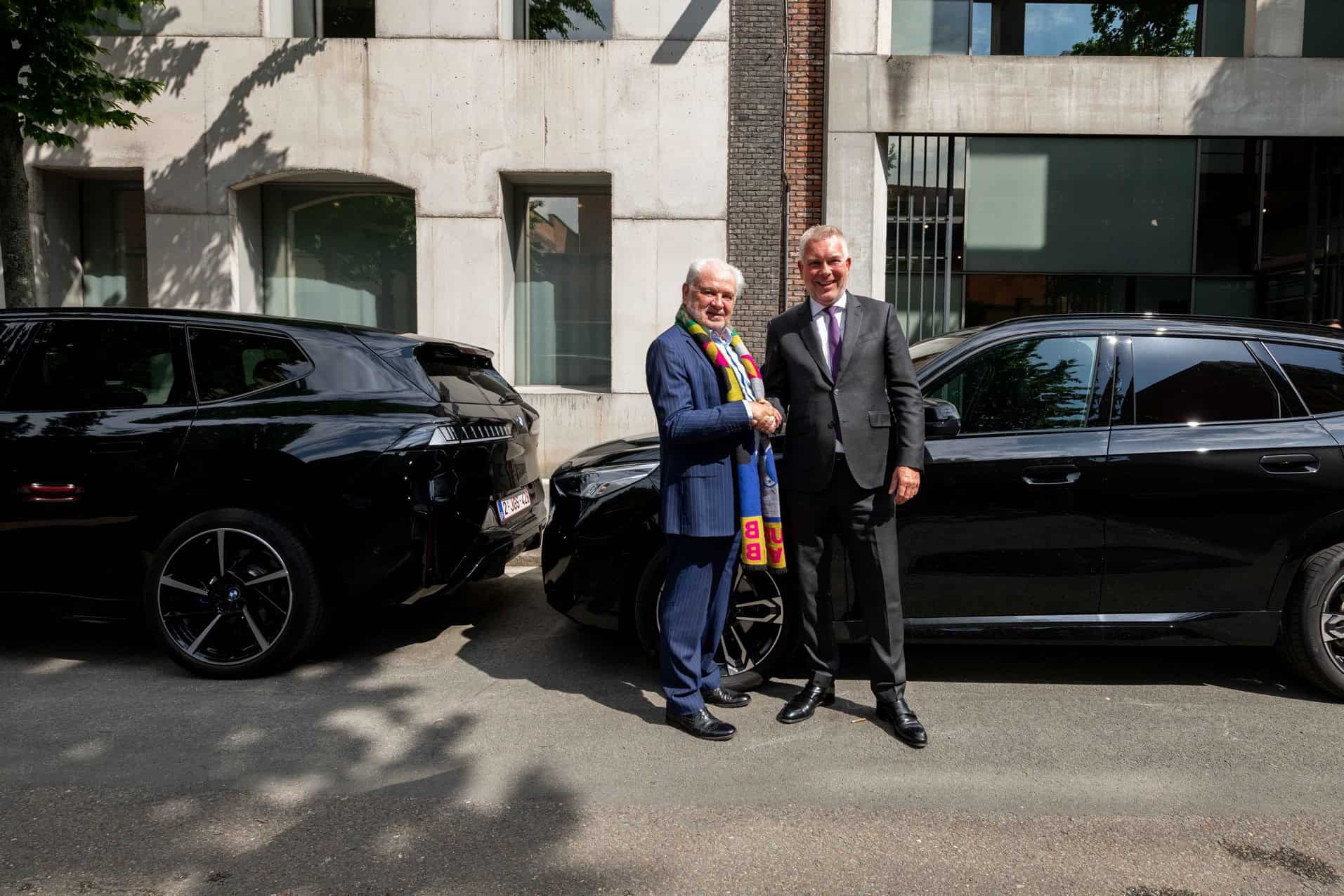
The logistics company says the switch will eliminate 3,350 tons of CO2 annually and cut fuel consumption by roughly 800,000 liters per year. Those are corporate sustainability numbers designed for annual reports, but the infrastructure commitment behind them is real. Katoen Natie plans to expand its charging network and invest further in renewable energy across Belgium to support the incoming fleet.
This isn’t a cold call. BMW and Katoen Natie already work together in Thailand, where the logistics firm supports BMW’s Rayong production facility. The new agreement deepens that relationship into electrification, charging infrastructure, and digital mobility services.
Fleet deals like this one rarely happen without an existing trust layer, and this one has it.
For BMW, the timing is strategic. The Neue Klasse lineup is still thin, just the iX3 and soon the i3, but a 1,000-unit fleet contract validates the platform in the corporate market before the consumer hype cycle even peaks. Fleet sales don’t generate Instagram posts, but they move metal and lock in volume commitments that smooth out production planning.
The pricing landscape in Belgium gives some context. The iX3 starts at €61,950 and the iX1 sits at €51,200. On the MINI side, the electric Countryman begins at €41,950, well above the smaller Aceman at €33,500 and the Cooper Electric at €30,750. A thousand-unit order across that spread likely represents north of €50 million before fleet discounts.
BMW is also quietly building out the lower end of its EV portfolio. An electric i1, effectively replacing the i3 hatchback that died in 2022, and an i2 as a battery-powered alternative to the 2 Series Gran Coupe are both expected, though neither has been officially confirmed. Both would undercut the iX1’s price point and could open the door to even larger fleet contracts where per-unit cost matters more than badge prestige.
Belgium is a fleet-heavy market. Company cars account for a disproportionate share of new registrations there, driven by favorable tax treatment for low-emission vehicles. A deal this size from a single operator signals that the corporate transition from combustion to electric isn’t theoretical anymore. It’s procurement.
Katoen Natie didn’t pick BMW because of a press release about sustainability targets. It picked BMW because it already knew the company, trusted the product pipeline, and saw an opportunity to lock in Neue Klasse vehicles early. That’s how fleet electrification actually happens, not through mandates, but through relationships and math.
Share this Story