
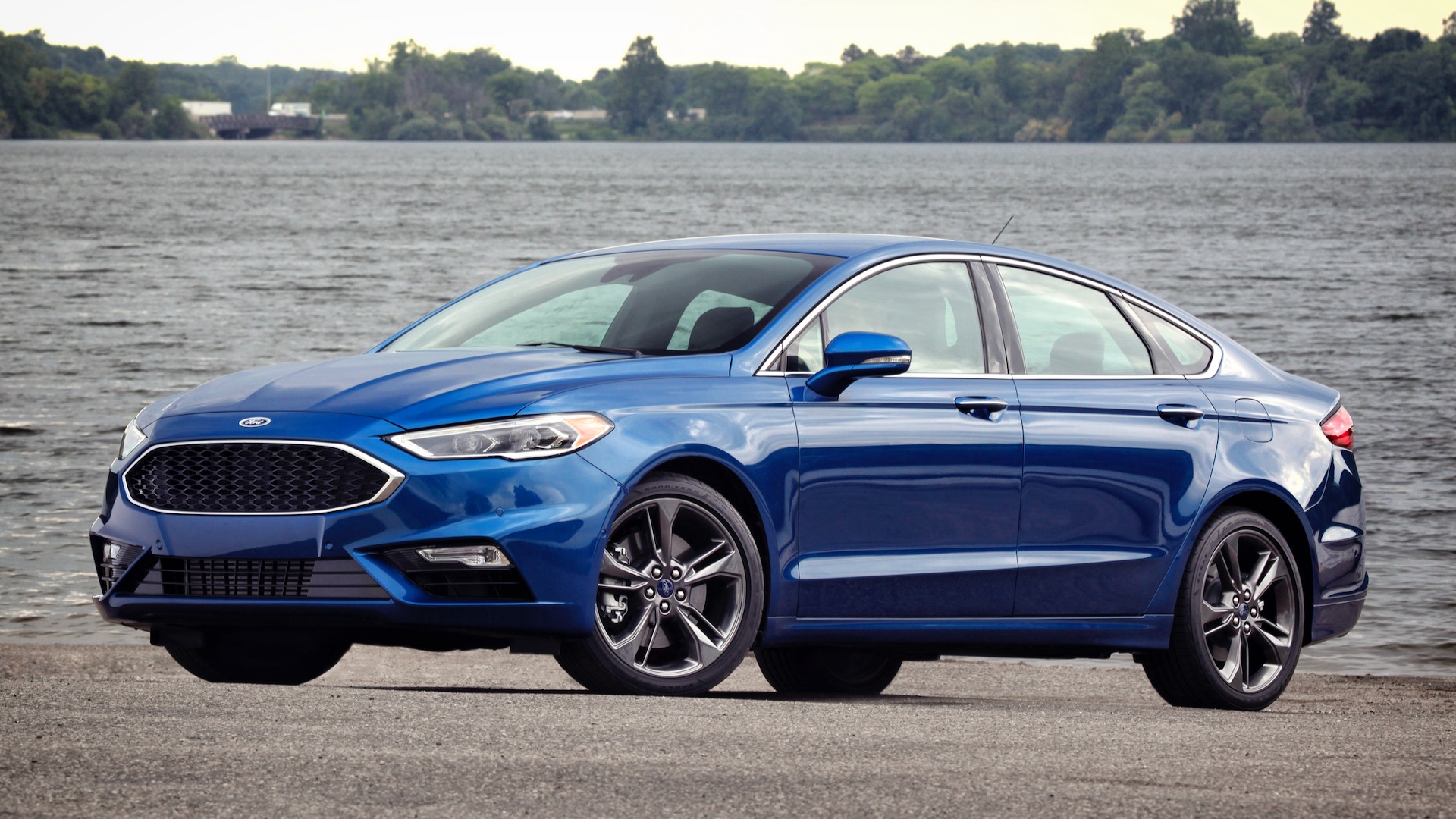


Six years after Ford torched every sedan and hatchback in its U.S. lineup, the company wants you to know it was brilliant. And also that it might do it again. That contradiction sat at the center of a recent interview Andrew Frick, head of Ford’s Blue and Model E business units, gave to Automotive News.
Frick called the post-2019 car purge “absolutely” the right move. The capital freed up by killing the Focus, Fusion, and Fiesta funded the Bronco, Maverick, Bronco Sport, and the expansion of the Raptor and Tremor lines. “We were competing to compete,” Frick said of Ford’s sedan era. I would trade the way some of our cars were competing with the way Maverick’s competing every day of the week.
He’s not wrong on the math. The Fusion’s best year was 2014, with 306,860 sales. That still trailed the Honda Accord by more than 81,000 units and the Toyota Camry by nearly 122,000.
Both numbers were roughly half what the F-Series moved that year. Ford was spending billions to finish third in a category that didn’t pay particularly well.
But the subtext of Frick’s comments tells a different story than the headline. He admitted Ford might have an “opportunity” in segments beyond trucks and SUVs. He said a sedan would need to be “very cost-effective” and would likely come “within a family that we may already offer.”
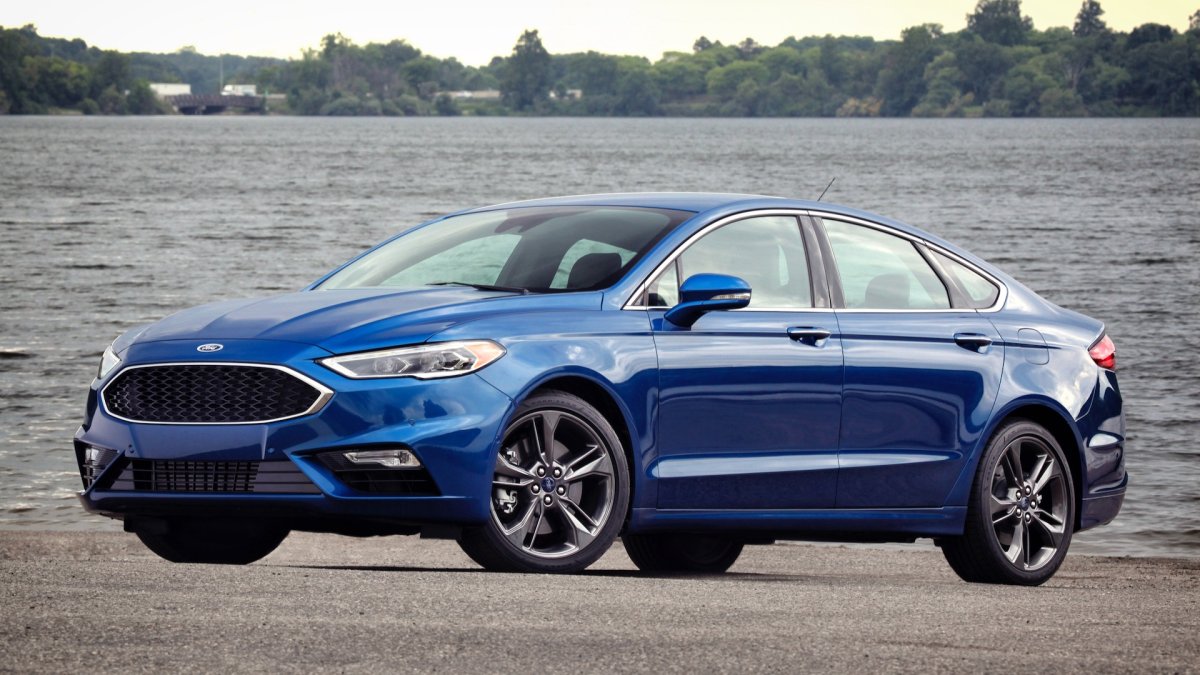
And then the quiet bombshell: “We look to expand on the Mustang family as we move forward.” Translation: a Mustang sedan is on the whiteboard somewhere in Dearborn.
This isn’t happening in a vacuum. At the 2026 Detroit Auto Show, CEO Jim Farley called the sedan market “very vibrant” while lamenting Ford’s inability to compete profitably in it. That’s a remarkable statement from the leader of a company that voluntarily abandoned the segment. When the boss calls a market vibrant, product planners listen.
The real tension here is between Ford’s pride in its truck-and-SUV fortress and the dawning realization that the fortress has a ceiling. New-car transaction prices have climbed relentlessly. At some point, consumers who can’t stomach $55,000 for a midsize SUV will walk across the street to a $30,000 Camry or Civic.
Ford’s answer so far has been to chase volume at the low end with trucks, not cars. Its much-discussed $30,000 EV will be yet another pickup. The company’s stated goal is 8% profit margins by 2029, which means squeezing more money from existing platforms, not launching lower-margin vehicles.
Yet the final-generation Fusion was a genuinely good car that Ford allowed to wither rather than invest in a redesign. The company didn’t lose the sedan war so much as forfeit it. That history matters because it suggests Ford’s sedan failure was a choice, not an inevitability.
Slapping a Mustang badge on a four-door would give Ford brand equity it never had with the Fusion, plus a pricing story that could push margins closer to SUV territory. It’s the same trick every luxury brand has played for a decade, dressing sedans in performance clothing to justify the sticker.
Whether Ford actually pulls the trigger depends on whether the numbers pencil out against trucks that practically print money. Frick and Farley are clearly leaving the door open, which is itself a significant shift from the swagger of 2018 when Ford declared cars dead.
The sedan market didn’t die. Ford just left.


Share this Story