



Cupra CEO Markus Haupt says the plan to sell cars in the United States is sitting “in the cupboard” ready for use. The cupboard, apparently, is locked, and nobody knows where the key is.
The Volkswagen Group’s sporty Spanish brand first announced its American ambitions in late 2024, targeting a 2030 launch with Penske Automotive Group as its retail partner. By July 2025, that plan was frozen. Now, nine months later, executives are telling Edmunds the dream lives on — just don’t ask them when.
We took a very bold decision to freeze the plans to enter the U.S., because we were convinced that it was not the right time to take a decision that requires a big investment in such a changing environment,” Haupt said.
Calling a retreat “bold” is a fascinating bit of corporate framing. What Haupt really means is that the tariff landscape turned toxic, the economics stopped working, and VW Group’s board wasn’t about to write a nine-figure check into a hurricane.
Cecilia Taieb, Cupra’s global head of communications, was more direct. “We don’t think it is the right moment, right now, for us to do it, to be honest,” she said. “Let’s see when things stabilize a little bit, and when there is a clear path, we will decide.”
Stability is doing a lot of heavy lifting in that sentence. U.S. trade policy has been anything but predictable, and the tariffs that hammered foreign automakers through 2025 show no signs of becoming less punitive. For a brand with zero existing American infrastructure — no dealers, no service network, no name recognition outside of enthusiast circles — the entry costs were already steep before Washington started rewriting the rules every few weeks.
There are some structural shifts working in Cupra’s favor, though. The brand has abandoned its plan to go all-electric, pivoting toward a mix of gasoline, hybrid, and battery-electric models. That’s a smarter play for the U.S. market, particularly after federal EV tax credits were killed.
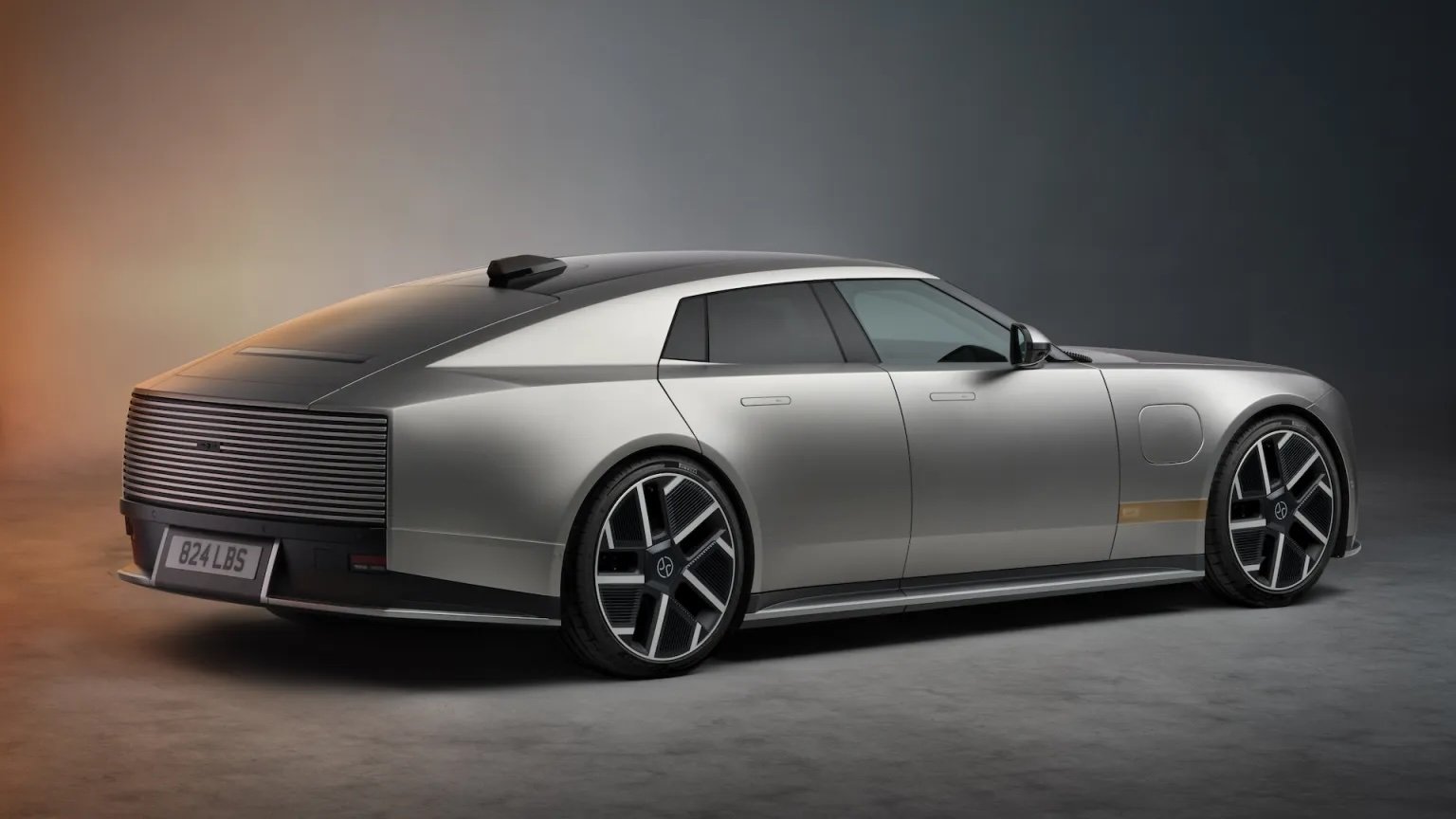
The upcoming Formentor SUV refresh will carry next-generation hybrid tech, and a larger SUV based on the Tindaya concept will use a range-extender powertrain — a gasoline engine topping up a long-range battery. That kind of product fits the American appetite far better than a lineup of pure EVs from a brand most buyers have never heard of.
VW Group is also exploring how to build tariff-affected models domestically. Audi is reportedly looking at options including capacity at Scout’s South Carolina plant or potentially its own U.S. factory. Shared MEB or SSP platforms could theoretically accommodate Cupra models under the same roof. But “theoretically” and “actually” remain separated by billions of dollars and years of lead time.
In the meantime, Cupra is redirecting some of its expansion resources toward the Middle East — a market with fewer regulatory headaches and buyers with deep pockets for European performance brands.
The underlying tension here is plain. Cupra built its identity as the edgy, youthful alternative within VW Group’s sprawling portfolio. It races in IMSA. It talks about American customers with genuine enthusiasm.
But enthusiasm doesn’t survive a boardroom where the spreadsheet says the risk-adjusted return on a U.S. launch is underwater.
Every year Cupra delays, the window gets harder to crack. Brand awareness doesn’t build itself. Dealer partners don’t wait forever. And competitors — from Hyundai’s Genesis to the reinvented Alfa Romeo lineup — keep filling the space where a sporty, attractively priced European nameplate could thrive.
Haupt wants Americans to know Cupra is coming. Someday. When the world calms down. The cupboard is ready. The question is whether the world will cooperate before the contents go stale.

Share this Story