
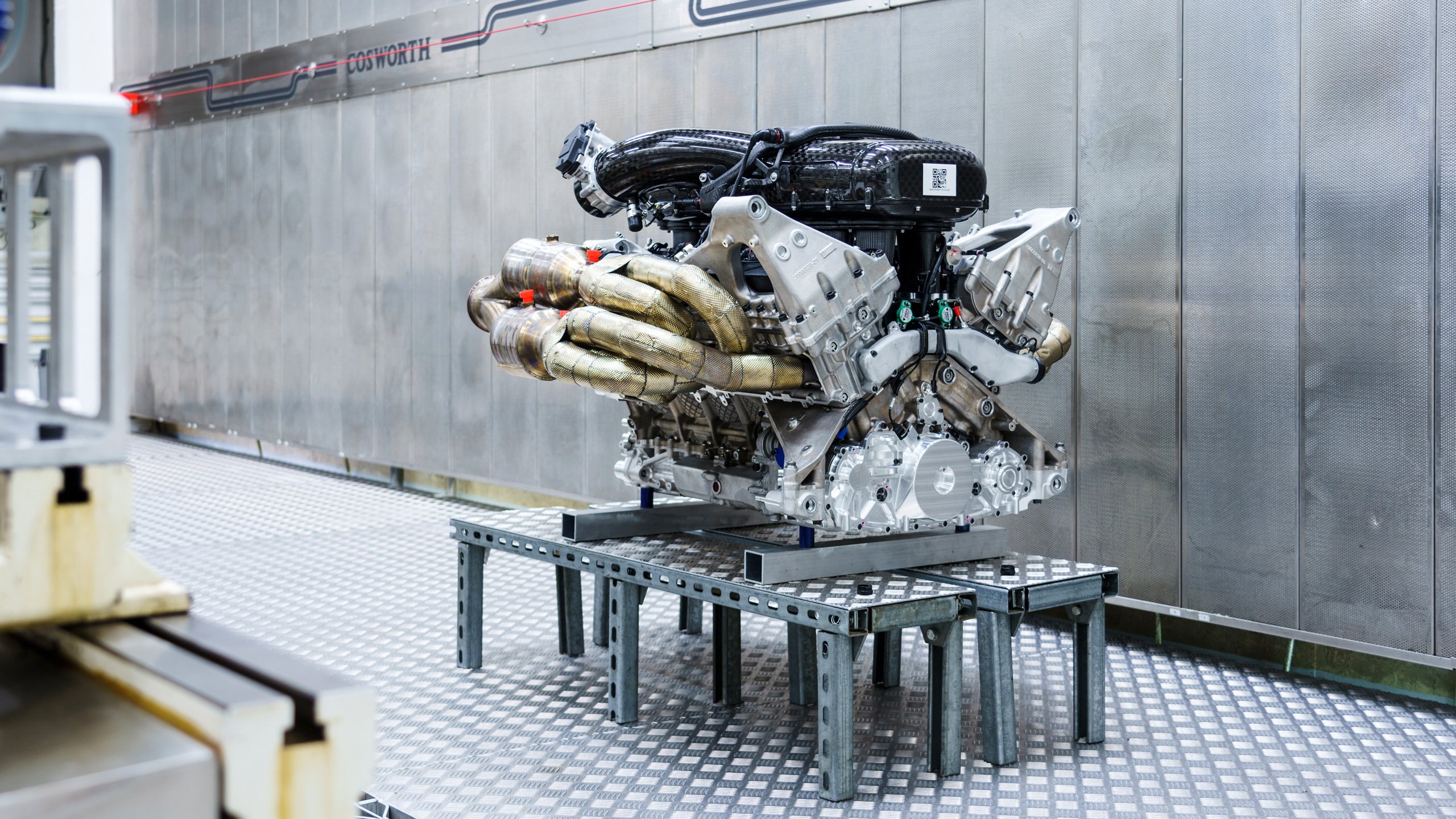


Aston Martin has found a way to keep its twin-turbocharged V12 alive, and it hinges on one number: 1,000. CEO Adrian Hallmark confirmed the company has re-engineered its twelve-cylinder to meet both European and U.S. emissions regulations. Staying compliant requires capping annual V12 sales below that threshold.
“If we keep our V12 sales under 1,000 per year, then we’re exempt from legislation until 2035 at least,” Hallmark told Auto Express. It’s a niche-volume exemption, the kind of regulatory workaround that rewards low-production automakers for being, well, low-production.
For Aston Martin, this is less a sacrifice than it sounds. The company has never been a volume play. Total annual production across its entire lineup has historically hovered in the low thousands, so keeping V12 variants under a thousand units isn’t a constraint so much as business as usual codified into strategy.
But the move exposes a deeper tension facing every legacy performance brand. The twelve-cylinder engine is now a regulatory fugitive. It survives not on its engineering merits alone but on the legal technicality that the company building it is too small to matter in the emissions math.
The moment Aston Martin scales up, or the exemption window closes in 2035, the calculus changes entirely.
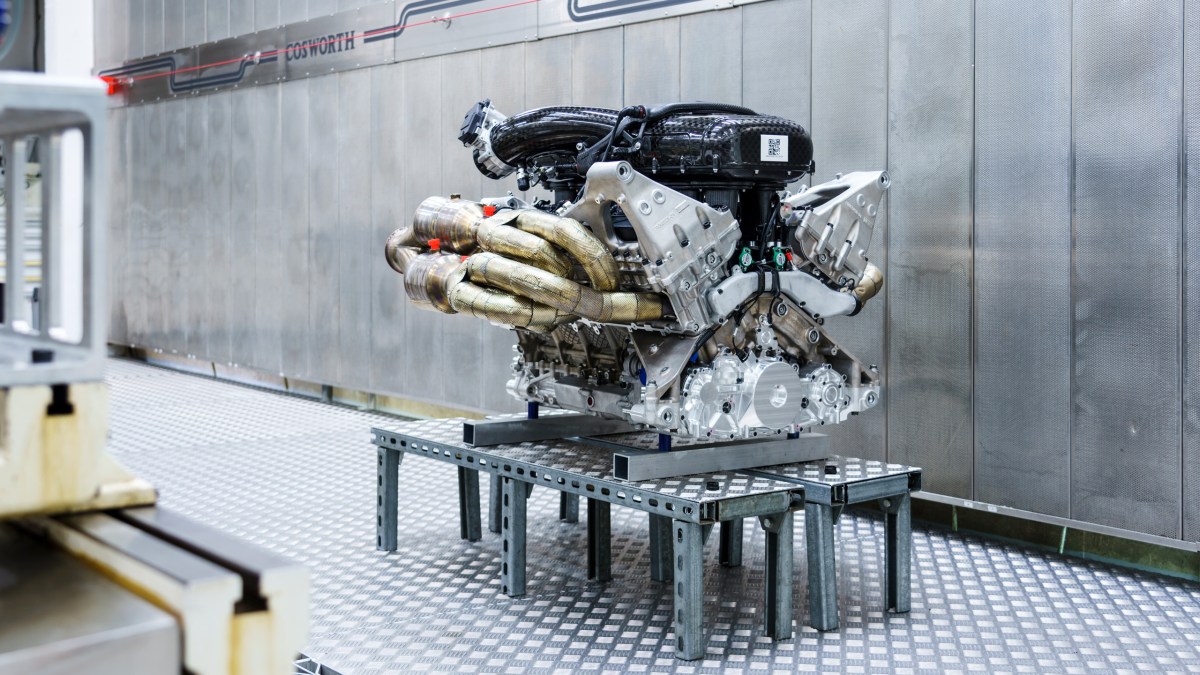
Hallmark’s candor is refreshing. Most executives in this position would wrap the announcement in euphemisms about electrification journeys and sustainable luxury futures. He essentially said: we found a crack in the rules, and we’re going to drive a V12 through it for as long as we can.
The broader context makes Aston’s gambit look shrewd. Mercedes-Benz just posted Q2 2026 results down 8% year-over-year, blaming Chinese competition eroding margins. Lucid is dangling $16,000 in stacked incentives to move its Air and Gravity EVs off lots.
BYD, meanwhile, reportedly tried to buy into Renault twice and got rejected both times. That’s a sign that even the world’s most aggressive EV maker can’t simply acquire its way into every market.
The industry is bleeding certainty. EV adoption is real but uneven, legacy brands are hedging, and Chinese manufacturers are probing for footholds in Europe. And here’s Aston Martin, a company that nearly went bankrupt more times than most people change tires, quietly ensuring its most emotionally potent product stays in the catalog for another decade.
There’s an irony buried in this. The same low-volume production that has kept Aston Martin perpetually teetering on the financial edge is now the very thing granting it regulatory immunity. Being small has always been Aston’s weakness. Now it’s a weapon.
The 2035 deadline still looms. Whatever exemptions exist today will face political and environmental pressure tomorrow. Hallmark and his team are buying time, not solving the fundamental problem.
At some point, the V12 will need either synthetic fuels, hybridization heavy enough to neuter its character, or a eulogy. But for now, Aston Martin gets to do what it has always done best: build a tiny number of absurdly beautiful machines with engines that have no business existing in the current regulatory climate. A thousand units a year is the price of keeping the faith.


Share this Story