
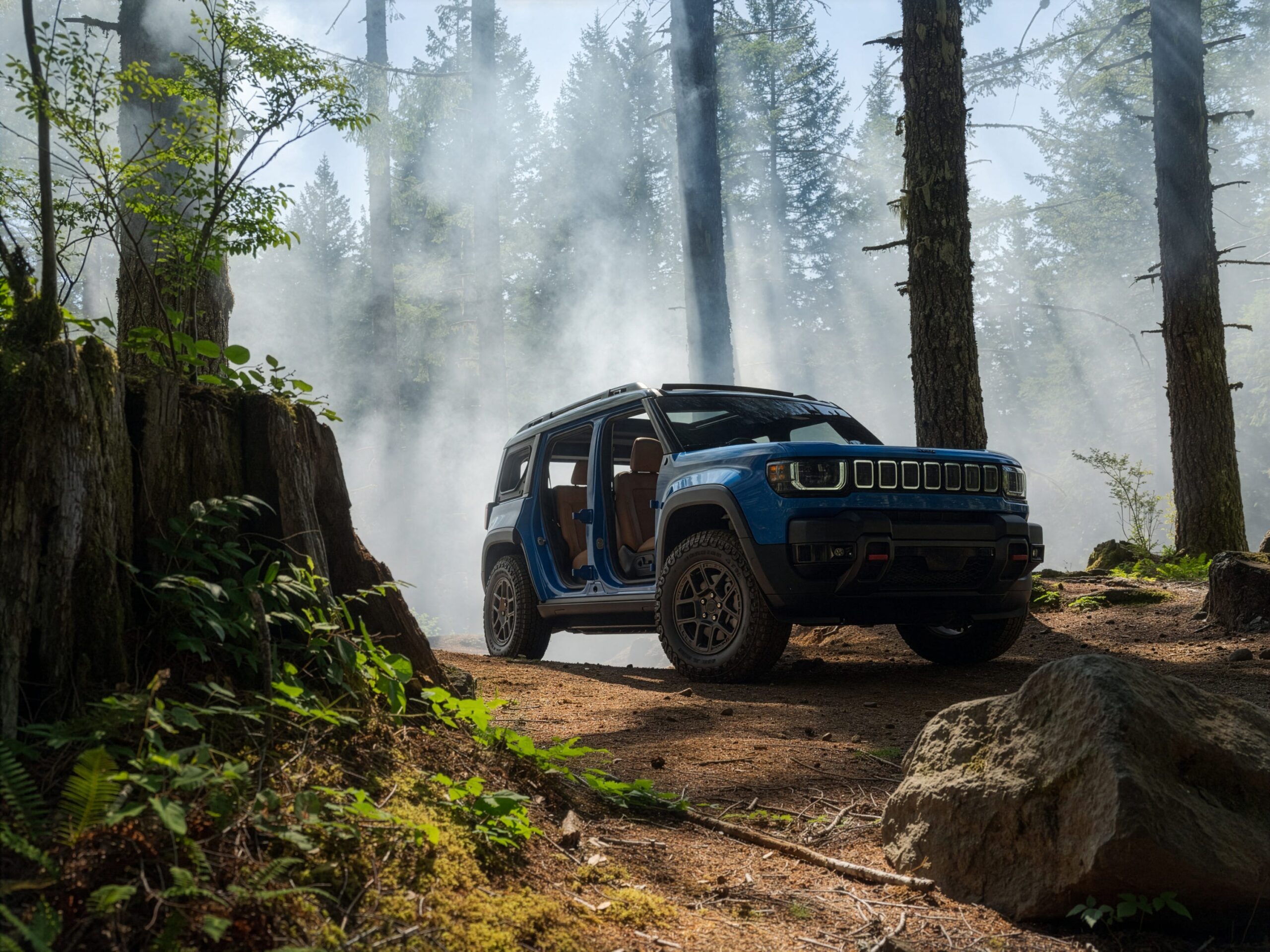


The Jeep Recon was supposed to be the brand’s electric trail weapon — a 650-hp, dual-motor off-roader built to prove Jeep’s future didn’t need fossil fuels. That future just got rewritten. Stellantis confirmed this week that the Recon will now offer an internal combustion powertrain for North American buyers, a significant pivot for a vehicle that was conceived and marketed as a pure EV.
The announcement came during Stellantis’s Investor Day in Auburn Hills, part of a broader $70 billion, five-year reinvention plan that touched every major brand in the portfolio. But the Recon’s powertrain addition tells you more about the state of the American EV market than any corporate slide deck ever could.
Stellantis executives didn’t specify which engine would slot under the Recon’s hood. The smart money lands on the turbocharged 2.0-liter Hurricane four-cylinder already doing duty in the latest Grand Cherokee, where it makes 324 hp and 332 lb-ft of torque. Paired with an eight-speed automatic, it would give the Recon a conventional drivetrain that buyers actually want to finance.
There’s also an outside shot at the 3.0-liter Hurricane inline-six from the Dodge Charger, which would turn the Recon into something genuinely special — a modern Jeep with the kind of grunt that echoes the brand’s best machines. Neither engine will touch the EV variant’s 650-hp output in a drag race, but that was never the point.
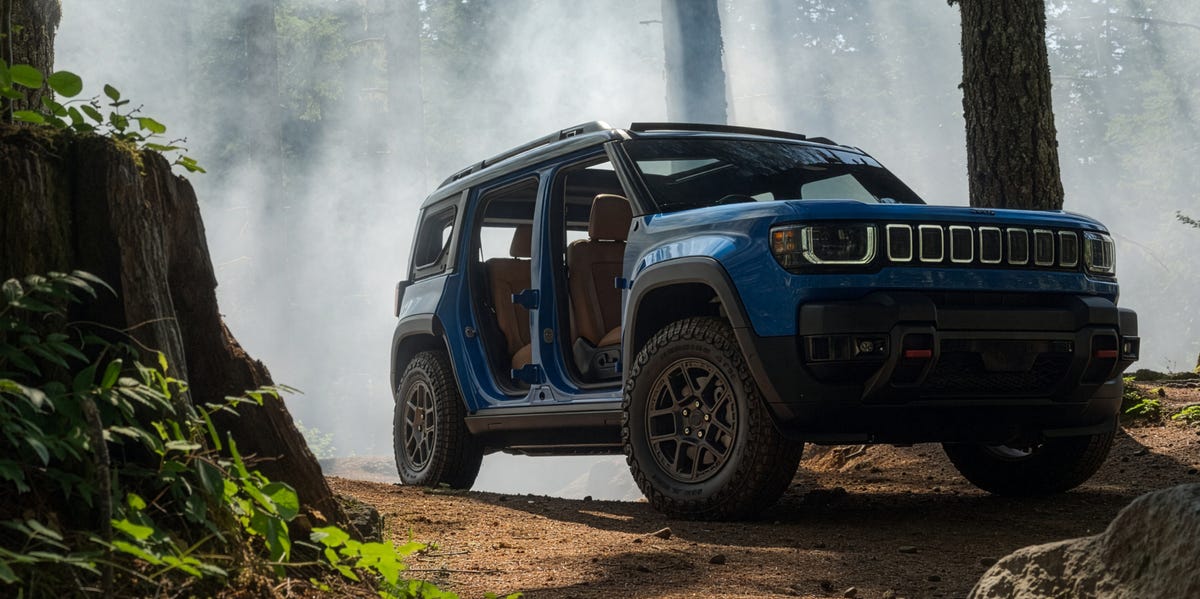
The point is survival. Jeep needs the Recon to sell in volume, and an EV-only lineup in a market where electric vehicle demand has plateaued is a risk Stellantis can no longer afford to take. The company has spent the last two years watching EV inventory pile up across the industry while buyers gravitate back toward hybrids and traditional powertrains.
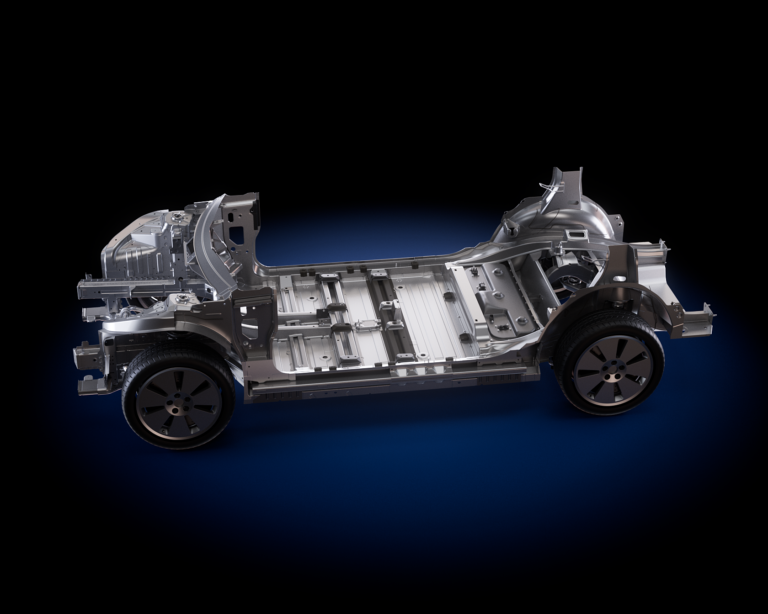
The Recon sits on the STLA Large platform, shared with the Wagoneer S and the Charger. That architecture was designed from the start to accommodate multiple powertrain types, which makes the addition of an ICE option more of an engineering checkbox than a fundamental redesign. It’s the kind of flexibility that justifies the billions poured into modular platforms — and the kind of flexibility that might save a product from becoming a showroom curiosity.
Europe is the other half of this equation. The Wrangler faces mounting regulatory pressure overseas, and the Recon was always intended to fill that gap with a compliant EV. Adding a gas model for North America helps spread the Recon’s development costs across a much larger buyer pool, making the European EV play financially viable rather than a money pit.
Two years ago, Stellantis was all-in on electrification. Carlos Tavares was still CEO, and the messaging was unambiguous: the future is electric, adapt or die. Tavares is gone. The messaging has changed. And now the Recon — once a flagship of that electric ambition — will share showroom space with a gas-burning sibling.
Nobody at Stellantis is calling this a retreat. They’re calling it optionality. But when you build a vehicle specifically to prove your brand can go electric and then bolt a combustion engine into it before the first customer takes delivery, the market has already made the call for you. Jeep is listening. Whether that pragmatism arrives in time to matter is the real question hanging over Auburn Hills.
Share this Story