
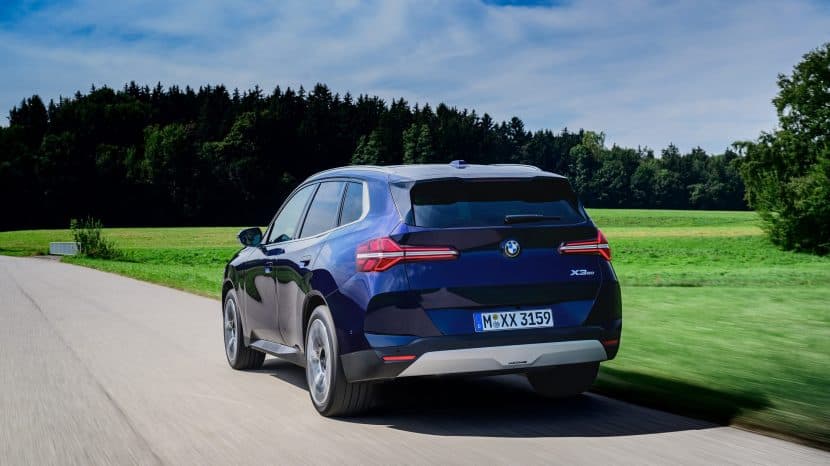


A single customer somewhere outside the United States told their dealer that the steering wheel on a 2025 BMW X3 felt too light. That one complaint, filed with a local dealer, triggered an engineering investigation that rippled across continents and ended with a recall covering exactly 13 vehicles.
Thirteen. Not thirteen thousand.
BMW pulled the car in for inspection on July 15, 2026. Technicians found no physical damage to the steering system. They sent the steering components out for deeper analysis, and that came back clean too, so the engineers turned their attention from the hardware to the factory floor.
What they found in the assembly and production records was a process deviation, a narrow window where the steering spindle could have been attached to the column out of specification. BMW traced the affected build dates to a span running from August 7, 2023, through February 7, 2026, and identified 13 vehicles caught in that window. The recall decision came on August 5, 2026.
The failure mode is the kind that keeps safety engineers up at night. An out-of-spec spindle connection could let a driver turn the steering wheel without transmitting enough torque to actually move the front wheels. Unlike a locked-up steering column, which announces itself violently, this failure whispers, and a driver might not realize the car has stopped obeying until it’s too late.
BMW says no crashes or injuries have been reported.
The company’s consumer advisory pulls no diplomatic punches: don’t drive the car. Park it outside, not in a garage. Dealers will inspect the spindle-to-column connection and replace either the connection hardware or the entire spindle and steering column assembly, all free of charge.
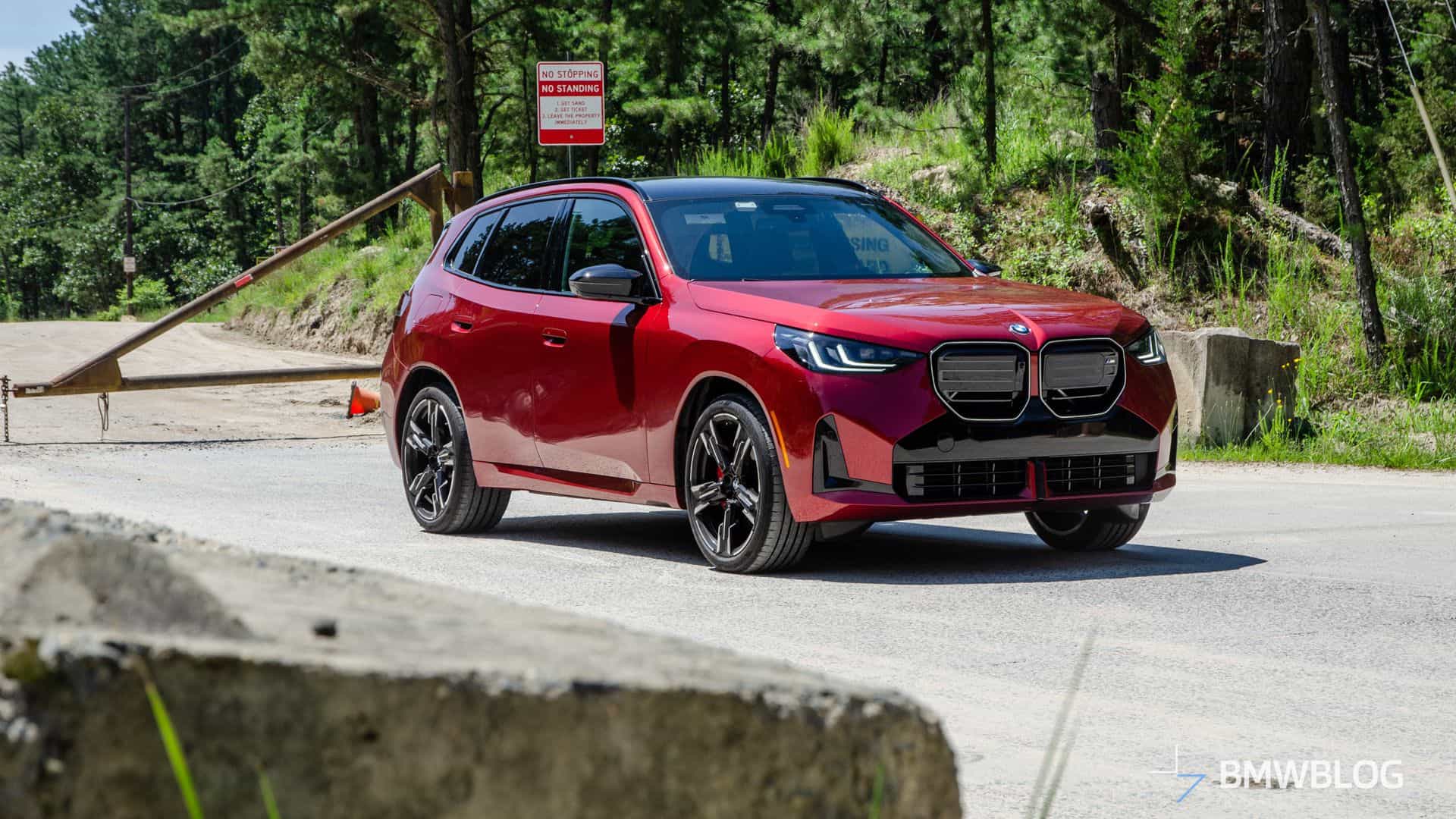
The affected models are the X3 sDrive30i, X3 30 xDrive, and X3 M50 xDrive. The steering spindle, supplied by BMW AG itself, carries part number 6887185 for rear-drive models and 5A32F06 for all-wheel-drive variants. Dealer notifications went out August 12, 2026, with owner letters scheduled for October 2.
What makes this recall worth paying attention to is not its size. It’s the chain of events. One customer in a foreign market mentioned something felt off, and BMW could have easily dismissed it since the part passed inspection and deeper analysis found nothing wrong with the component itself.
Instead, BMW dug into the production data, found a process anomaly, traced the affected build window across nearly two and a half years, and issued a recall for a baker’s dozen of vehicles. That kind of rigor is expensive. It requires engineers willing to keep pulling threads when every test says the thread is fine.
Whether BMW’s diligence here reflects genuine safety culture or a calculated bet that a tiny recall looks better than a future lawsuit is a question only the people inside Munich can answer. But 13 owners of X3s built during that window are about to get letters telling them their steering wheel might be lying to them, and that is the sort of news you want to receive before you need to.




Share this Story