
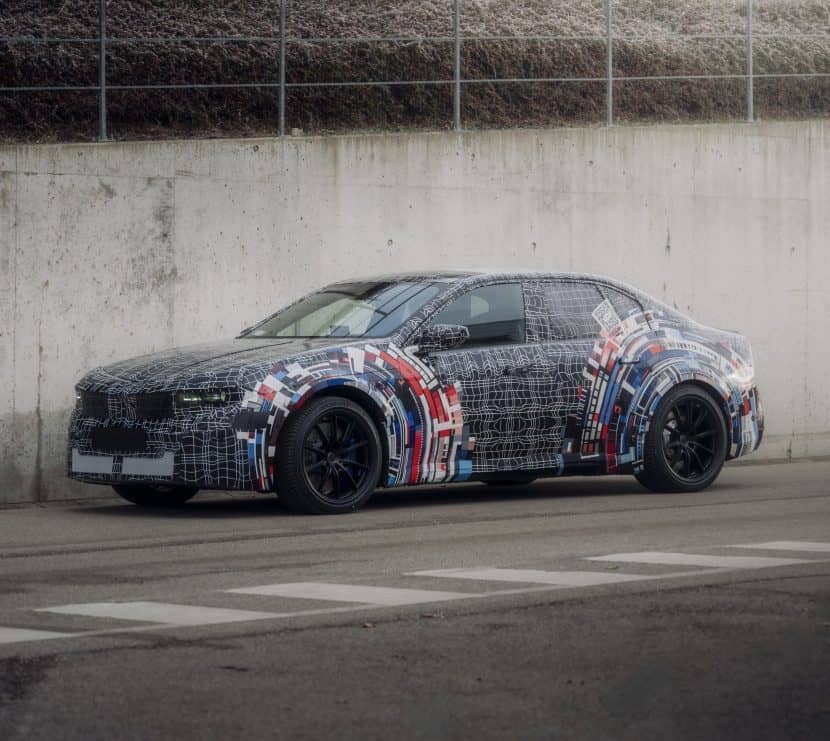


The front and rear axles of every M3 ever built weren’t good enough. BMW scrapped them both for the electric ZA0 M3, developing entirely new units from scratch after prototype testing at the Nürburgring revealed that existing combustion-era chassis technology buckled under the forces of a quad-motor electric powertrain.
That single engineering admission, buried in a 20-minute behind-the-scenes video released this week, tells you more about the electric M3 than any horsepower figure could.
BMW has spent years teasing this car, and the fifth episode of its development series finally pulls back the curtain on why. The strain isn’t just about raw power. It’s about how that power arrives — instantly, simultaneously, to four independently driven wheels with zero lag.
The torque loads are so different from a turbocharged inline-six spinning through a traditional drivetrain that bolting electric motors onto an adapted G80 platform was never going to work.
The tires couldn’t keep up either. BMW is currently evaluating a dozen different rubber compounds with its suppliers, including a bespoke Pirelli P Zero designed for a 20-inch wheel. The goal is a tire that can handle individual torque vectoring to each corner without shredding itself.
When BMW says “unprecedented torque to the road,” they’re not just marketing. They’re describing a physics problem that required new materials science.
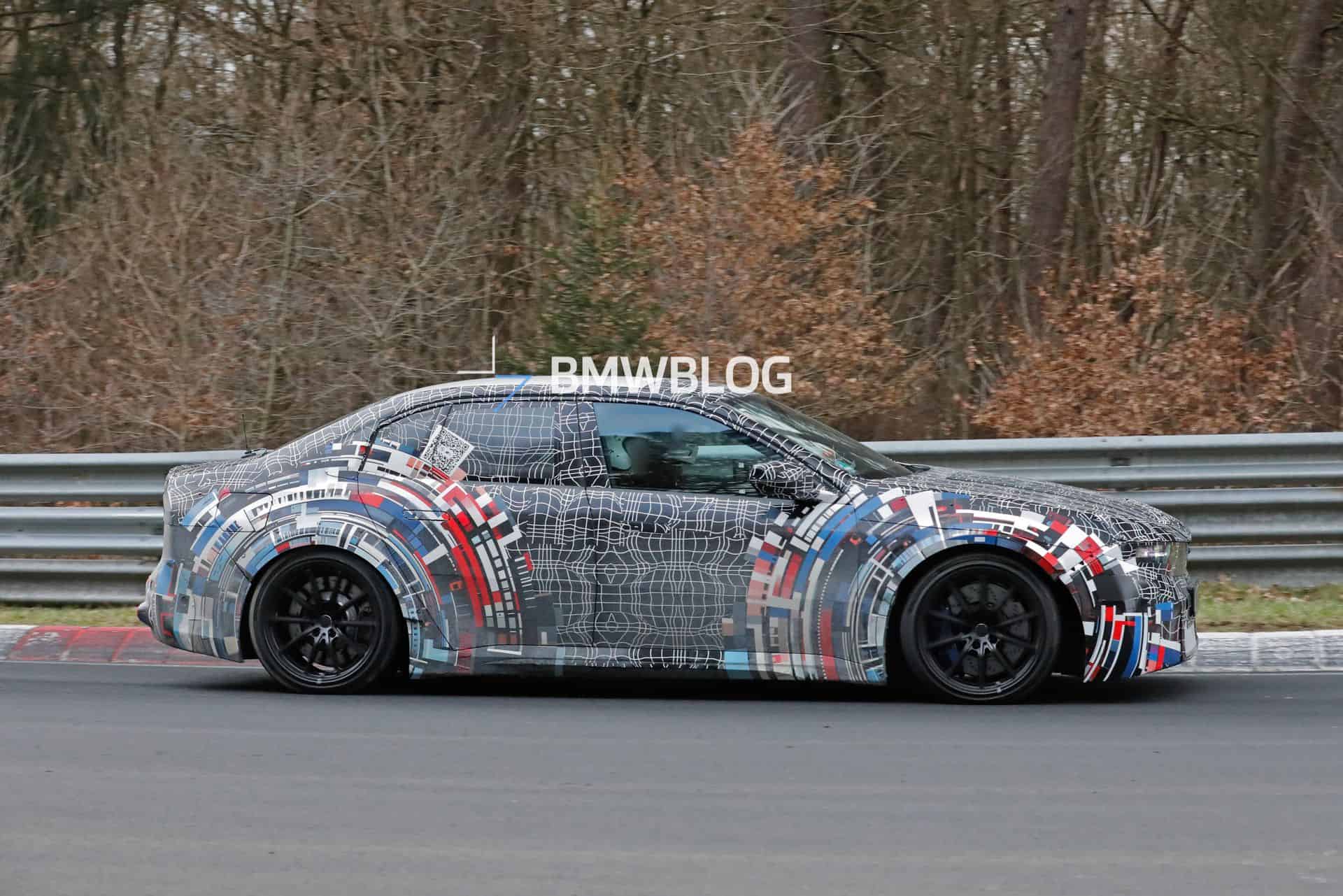
Then things get complicated. The ZA0 M3, due in 2027, will pump a simulated engine soundtrack through its cabin — one derived from pre-recorded notes of BMW’s large-displacement combustion engines. Inline-six, V8, V10 — the exact recipe isn’t confirmed, but the intent is clear.
BMW wants the electric M3 to sound like something it fundamentally is not. Artificial gear shifts will simulate the sensation of a traditional transmission, providing what BMW calls reference points for speed and acceleration.
The company frames it as driver assistance. Critics will call it theater. Both are probably right.
The real question is whether you can turn it all off and just drive the car as the electric machine it actually is. BMW says you can. That matters, because the ZA0 is supposed to represent a new frontier for M performance, not a nostalgia act wrapped in 800-volt architecture.
Engineering entirely new axles and purpose-built tires suggests BMW understands the physics are genuinely different. Layering fake exhaust notes on top suggests they’re not entirely sure their customers are ready for that difference.
Meanwhile, traditionalists get a lifeline. BMW is simultaneously developing a combustion-powered G84 M3 with the inline-six, expected around 2028. But don’t celebrate too loudly — reports indicate it will be all-wheel drive only, with no manual gearbox option.
The M3 CS Handschalter that just launched in North America isn’t a beginning. It’s a farewell.
So BMW is building two M3s for two audiences, hedging its bets in both directions. The electric version pushes chassis and tire technology into genuinely uncharted territory while dressing the experience in combustion-engine cosplay. The gas version survives but loses the very things purists claim to love most about it.
The engineering underneath the ZA0 sounds legitimately ambitious. New axles, new tires, quad-motor torque vectoring — that’s not a compliance EV with an M badge. But the simulated soundtracks and fake gear shifts reveal an automaker caught between building the future and apologizing for it.
BMW clearly knows how to engineer an electric M3. Whether they trust their own conviction is another question entirely.

Share this Story