
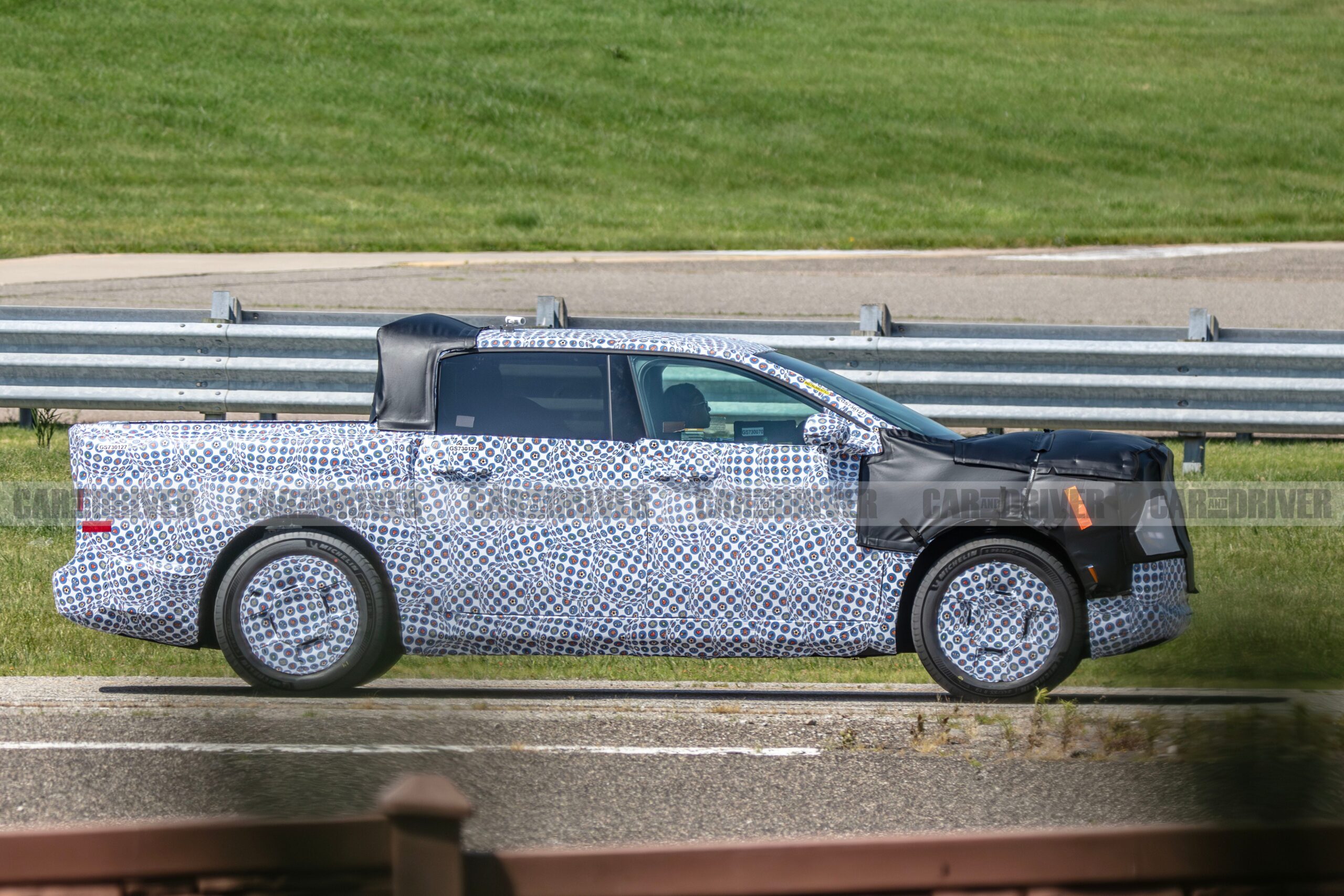


Ford is resurrecting the Ranchero name — or at least strongly considering it — for a compact electric pickup truck targeting a $30,000 starting price and a 2028 launch. If it lands anywhere near those numbers, it will drop into the most contested emerging segment in the industry.
The truck will ride on Ford’s new Universal EV platform, a 400-volt architecture designed from scratch around two words: simplicity and thriftiness. Minimal parts, low cost. Ford has called it a “Model T moment,” which is either visionary confidence or marketing hyperbole — and the answer depends entirely on execution.
The Ranchero will be roughly Maverick-sized, meaning compact but usable. Ford says interior passenger space will exceed that of a Toyota RAV4, which is a bold claim for a vehicle in this price bracket. The acceleration target is 4.5 seconds to 60 mph, quick enough to embarrass most gas-powered trucks at twice the price.
The obvious competitor is the Slate Truck, the stripped-down electric pickup that has generated enormous grassroots buzz by promising a sub-$30,000 sticker and an unapologetically spartan approach. No audio system, no power windows — just a cheap, functional EV workhorse. Ford’s Ranchero will reportedly offer the creature comforts Slate deliberately left out, positioning itself as the slightly more civilized alternative at roughly the same money.
That positioning tells you everything about Ford’s strategy. The Blue Oval isn’t trying to out-strip the Slate — it’s trying to out-value it. Same price neighborhood, but with enough refinement that mainstream buyers don’t feel like they’re making a sacrifice.
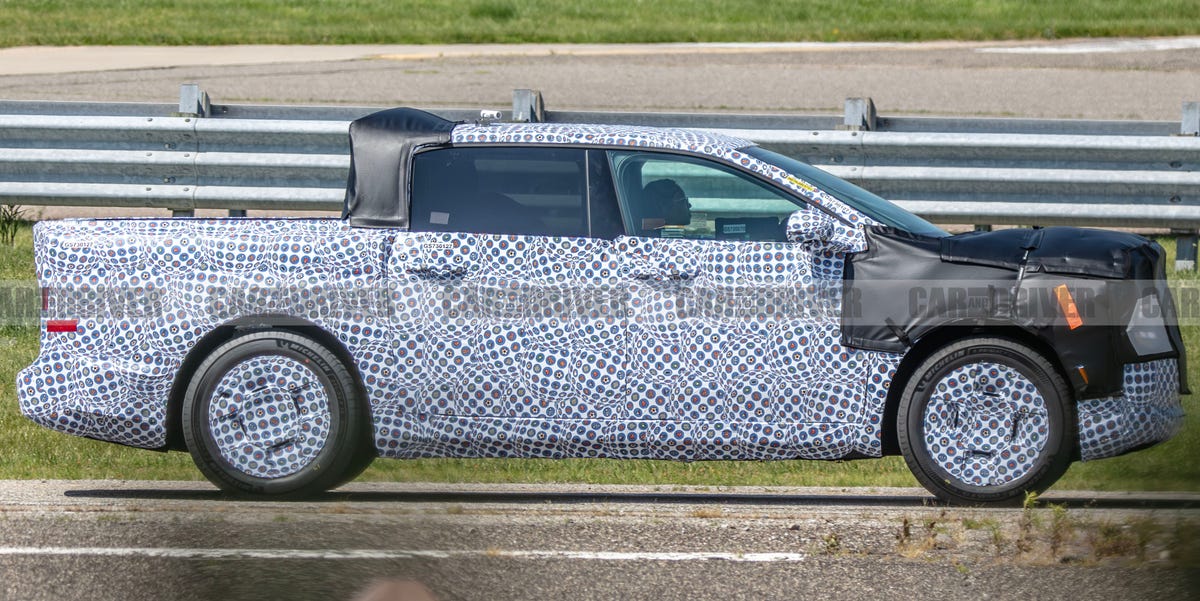
It’s the same playbook Ford ran when the original Maverick undercut every compact truck on the market while still feeling like a real vehicle, not a penalty box. The Universal EV platform is actually the bigger story here. Ford says it will eventually spawn everything from commercial vans to three-row SUVs to B-segment cars, the tiny-car class occupied by vehicles like the Fiesta and Yaris, neither of which Ford currently sells in America.
That’s an enormous spread of vehicle types from a single architecture, and it signals that Ford sees affordable electrification as a volume play, not a niche experiment.
Whether Ford can actually build and sell a $30,000 electric pickup at a profit remains the real question. The F-150 Lightning launched at around $40,000 and quickly crept north of $50,000. Ford’s track record with aggressive EV pricing has been, charitably, inconsistent.
The company has hemorrhaged billions in its Model e division, and every promised price cut has come with painful margin compression. Still, the Universal platform was designed specifically to break that cycle. By engineering cost reduction into the architecture itself rather than trying to shave dollars off an expensive platform after the fact, Ford is betting it can pull off what Tesla did with the Model 3.
The Ranchero name itself is a clever bit of nostalgia mining. The original Ford Ranchero, produced from 1957 to 1979, was a car-truck hybrid — a sedan with a bed. The new version flips that concept electric, but the ethos is the same: give working people an affordable, practical hauler without the bulk or cost of a full-size truck.
No trim details, no range figures, no towing or payload specs have been released. Ford is playing this one close, likely because the vehicle is still deep in development. But the target is clear: thirty thousand dollars, compact, electric, useful. If Ford hits all four marks, the Ranchero could become the most important vehicle the company has launched in a decade. If it misses even one, it’s just another press release.

Share this Story