
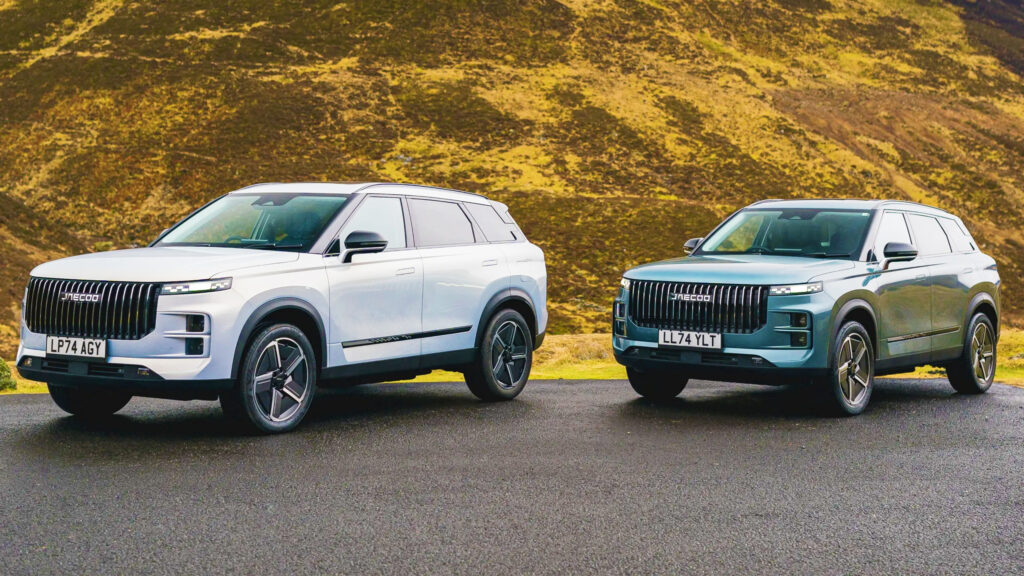


Canada struck a deal to let 49,000 Chinese-built electric vehicles into the country each year at a bargain 6.1% tariff. Now the government is scrambling because the first automaker poised to feast on that quota isn’t Chinese at all — it’s Tesla.
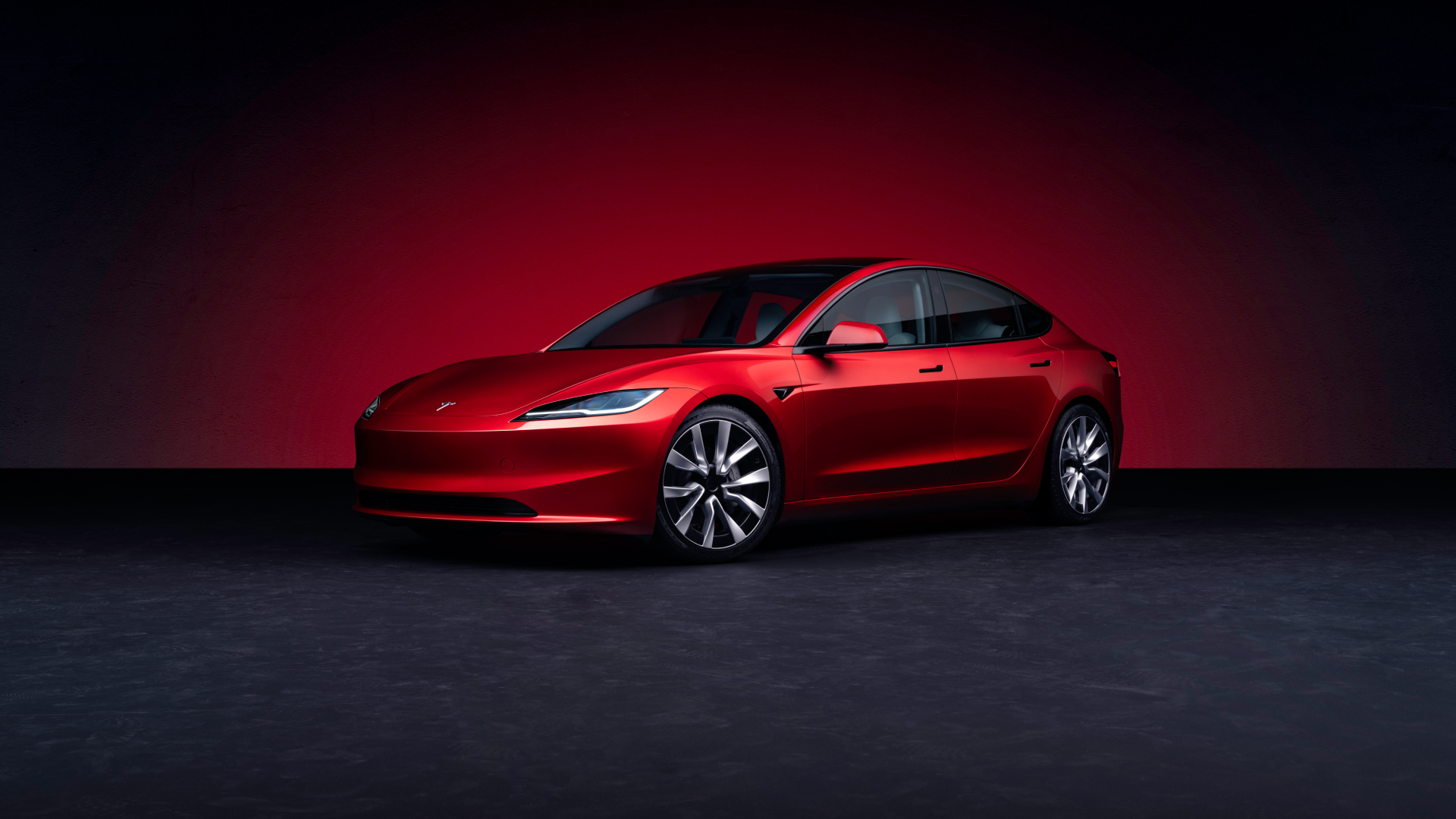
Days after launching a new China-built Model 3 lineup starting at just C$39,490, Tesla is generating what sources describe as extremely strong demand. The company didn’t stumble into this position. Back in March, it pulled all U.S.-made Model 3 inventory from Canadian showrooms, yanked the online configurator, and even shipped demo cars back across the border.
Every move was calculated to pivot Canadian buyers toward Shanghai-sourced vehicles the moment the quota window opened. That aggressiveness is precisely what has Ottawa worried.
Federal officials are now debating whether to impose manufacturer-specific caps — a quota within a quota — to prevent any single brand from gobbling up the allocation before BYD, Chery, and Geely can even get their Canadian operations off the ground. As of this week, not a single import permit under the program has actually been used, according to Global Affairs Canada. But the floodgates are about to open, and Tesla is standing right at the front of the line.
The irony is thick. Prime Minister Mark Carney negotiated this arrangement with Chinese President Xi Jinping in January, explicitly framing it as a path toward “considerable new Chinese joint-venture investment in Canada with trusted partners.” The entire diplomatic architecture was built to bring Chinese automakers into the Canadian market, not hand an American company with a Shanghai factory the most obvious immediate payoff.
The current framework splits the first year into two windows: 24,500 permits available on a first-come, first-served basis through August 31, with the remainder allocated through February 2027. Officials speaking on condition of anonymity told Bloomberg there’s still active debate inside the Carney government about what happens after that first window closes.
Polestar, affiliated with Geely, is the other established player expected to move early. But neither BYD nor Chery has meaningful Canadian retail infrastructure yet. They need time. Tesla doesn’t.
The government has also promised that within five years, half the quota will be reserved for vehicles priced under C$35,000 — a threshold none of the current entrants consistently hit, though Tesla’s new base Model 3 is inching close. Over time, Ottawa may grant favorable access to companies that establish assembly operations in Canada, a carrot clearly dangled for Chinese manufacturers willing to build plants on Canadian soil.
The 49,000-unit cap represents less than 3% of Canada’s total annual new vehicle sales. It’s a small slice. But it’s a politically loaded one, sitting at the intersection of trade diplomacy with Beijing, EV affordability for Canadian consumers, and the uncomfortable reality that protectionist frameworks don’t always protect who you think they will.
Tesla’s C$42,132 all-in Model 3 is roughly US$30,900 — a price point that undercuts most of its North American competition. If Ottawa does impose per-manufacturer caps, that aggressively priced sedan could become available only in limited quantities, potentially for a limited time. Canadian buyers who waited for a sub-$40K Tesla might find the door closing almost as fast as it opened.
Canada built a gate for Chinese automakers. Tesla walked through it first. Now the government is trying to decide whether to change the lock.

Share this Story