
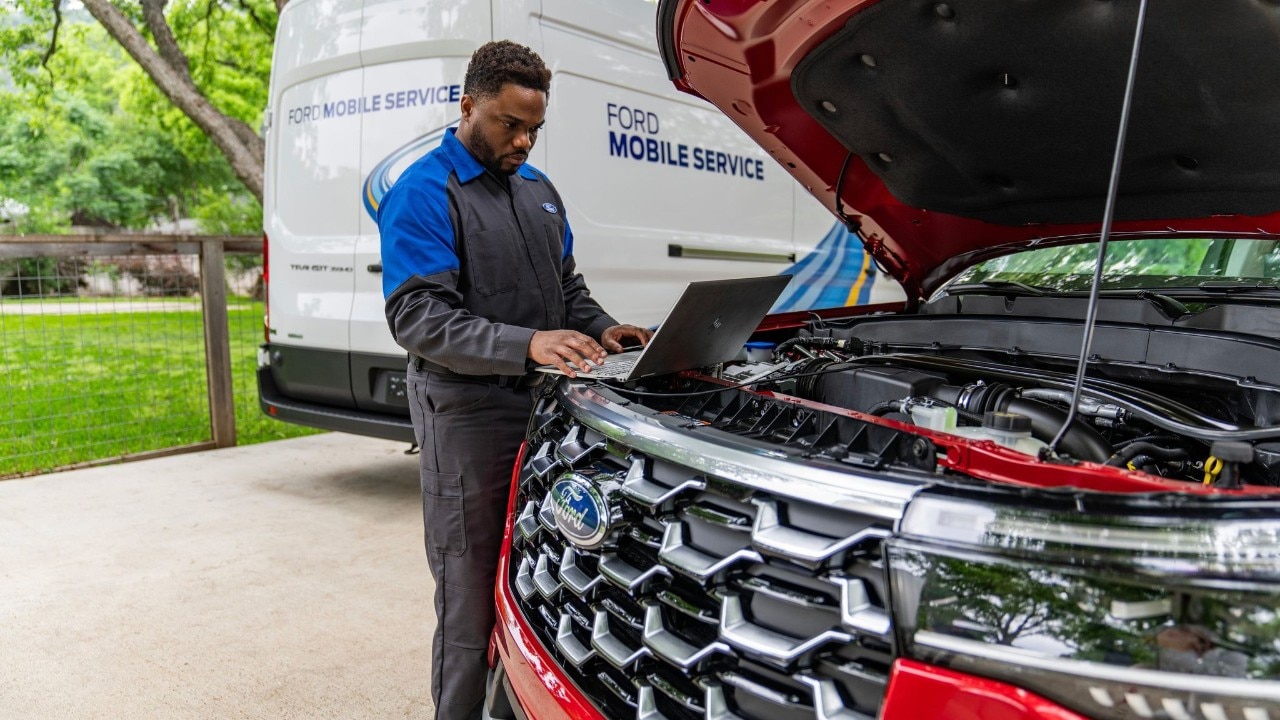


Ford Motor Company just logged the largest recall count any automaker has ever posted in a single calendar year. And then it climbed seven spots in J.D. Power’s customer service satisfaction rankings. That contradiction tells you everything about where the Dearborn automaker is placing its bets right now.
The 2026 U.S. Customer Service Index, surveying more than 51,000 owners and lessees of vehicles one to three years old, placed Ford at No. 4 among mass-market brands with 875 points on a 1,000-point scale. That’s a 14-point jump and the biggest gain among Detroit’s mass-market nameplates. A year ago, Ford sat at No. 11, below the industry average. Now it’s above it.
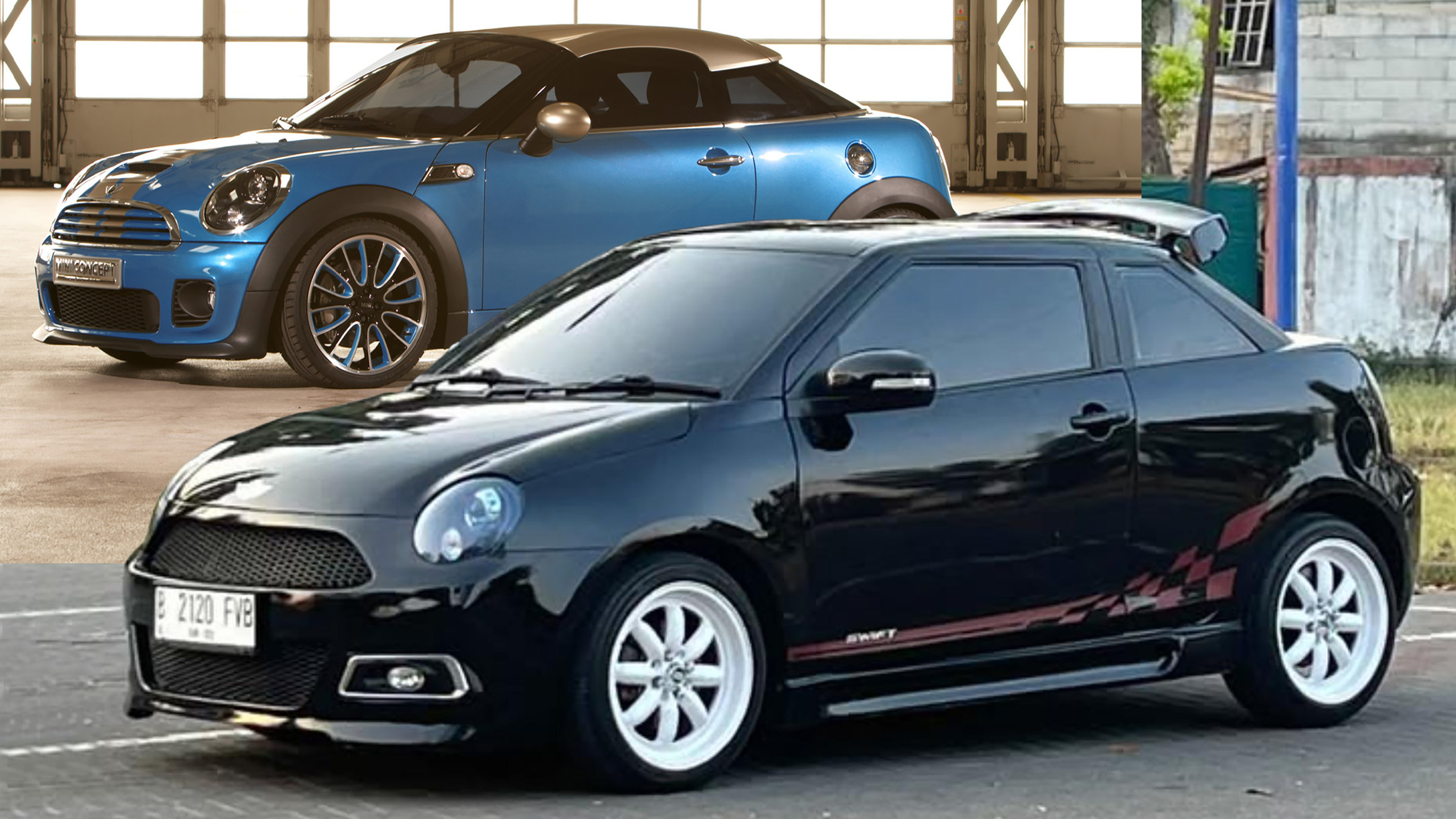
Mini topped the mass-market list at 887. Subaru came in second. Buick, the highest-ranking Detroit brand, landed third at 882. The industry average barely moved, rising just three points to 865.
Ford’s leap didn’t happen by accident. Jennifer Boyer, executive director of customer success and parts operations at Ford’s service division, pointed to a tool called Uptime Assist, introduced last year, which lets Ford monitor repair status through dealer management systems in real time. When a vehicle sits too long, Ford can step in, connecting dealers with technical support or rushing parts. It’s surveillance dressed as customer care, and apparently it works.
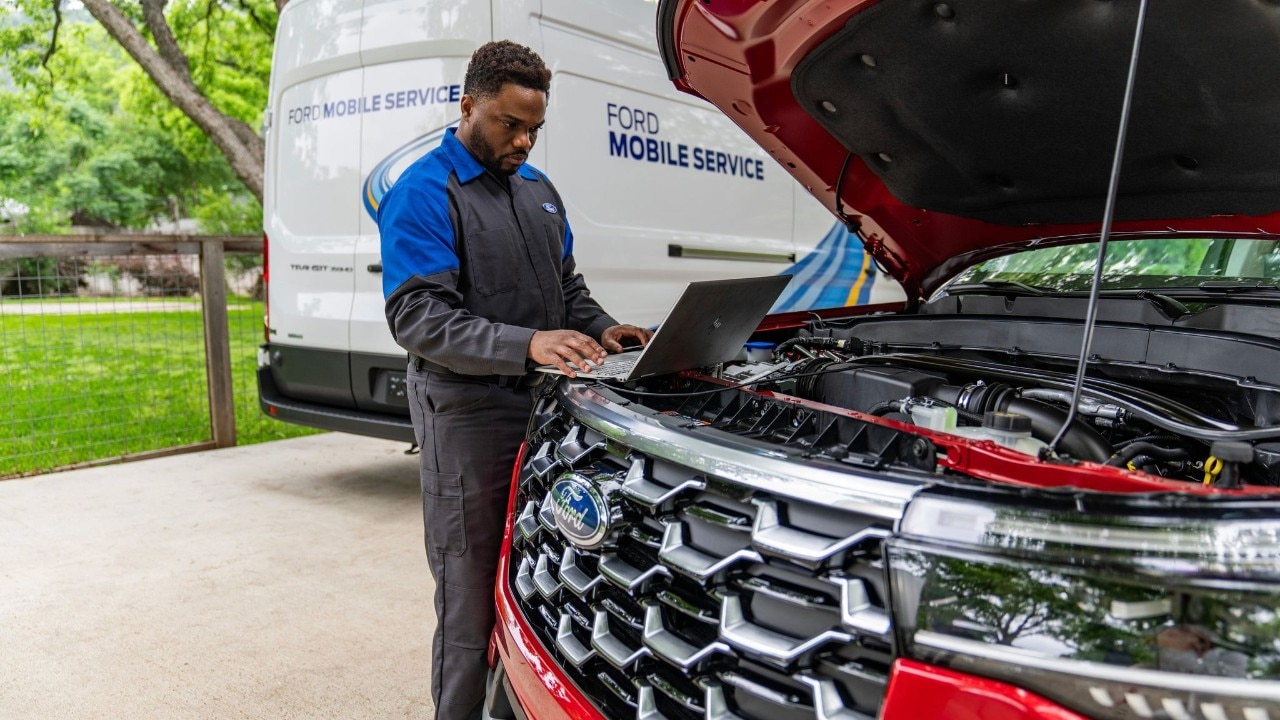
The automaker also leaned hard into mobile service. More than 4,400 mobile service vehicles now operate across Ford’s 2,800-plus dealer network. Technicians drive to the customer, dealers pick up and drop off vehicles, and last year mobile service and pickup-and-delivery accounted for 3.8 million service jobs.
That’s a staggering volume, and it’s reshaping how Ford owners experience warranty and maintenance work. Those 3.8 million touchpoints matter because Ford gave itself no shortage of opportunities to be tested. Warranty repair costs have dragged on quarterly earnings, dealers say their service bays are slammed, and every single one of those record-setting recalls funneled another vehicle through the service pipeline.
“Every one of those visits is an opportunity to create an experience that is positive for the customer,” Boyer said. That’s a diplomatic way of framing a firehose of repair work as a branding opportunity.
J.D. Power’s data backs the strategy. When overall satisfaction hits 950 or above, 86 percent of mass-market customers say they will definitely return for paid service. Higher satisfaction also drives repurchase intent — people who like their dealer experience buy the brand again.
Ford is betting that if it can’t yet eliminate the quality problems generating all those recalls, it can at least make the fix painless enough that customers stay loyal.
On the luxury side, Porsche led with 915 points. Lincoln surged 18 points to tie Cadillac at 891, both trailing the luxury average of 889 only slightly. Alfa Romeo and Maserati occupied the basement.
Among the broader Stellantis portfolio, the numbers were ugly. Chrysler and Ram finished last among 18 mass-market brands at 858 and 826, respectively, both declining. Jeep dropped 10 points, GMC fell 11, and Chevrolet slid seven points to 868.
Ford also topped the index for truck service. Subaru led for SUVs and minivans. Infiniti and Porsche tied atop premium cars.
J.D. Power noted that the rise of direct-to-consumer brands, particularly Tesla, has made dealer service a competitive weapon. Some Tesla owners distancing themselves from the brand amid backlash to Elon Musk’s political activities found themselves without convenient service alternatives. Mobile service filled that gap for Ford.
Ford still builds too many vehicles that need fixing. But it has figured out something most automakers haven’t: the recall itself isn’t what kills customer loyalty. The experience of getting it resolved is. Whether Ford can sustain this trajectory while attacking its quality deficit will determine if this J.D. Power ranking is a turning point or a high-water mark.
Share this Story