



Ford just added another 110,626 vehicles to its ever-growing recall tally, this time pulling in the Mustang and its electric sibling, the Mustang Mach-E, for two unrelated but equally concerning defects. One involves windshield wipers that won’t behave. The other involves a rear axle shaft that can snap.
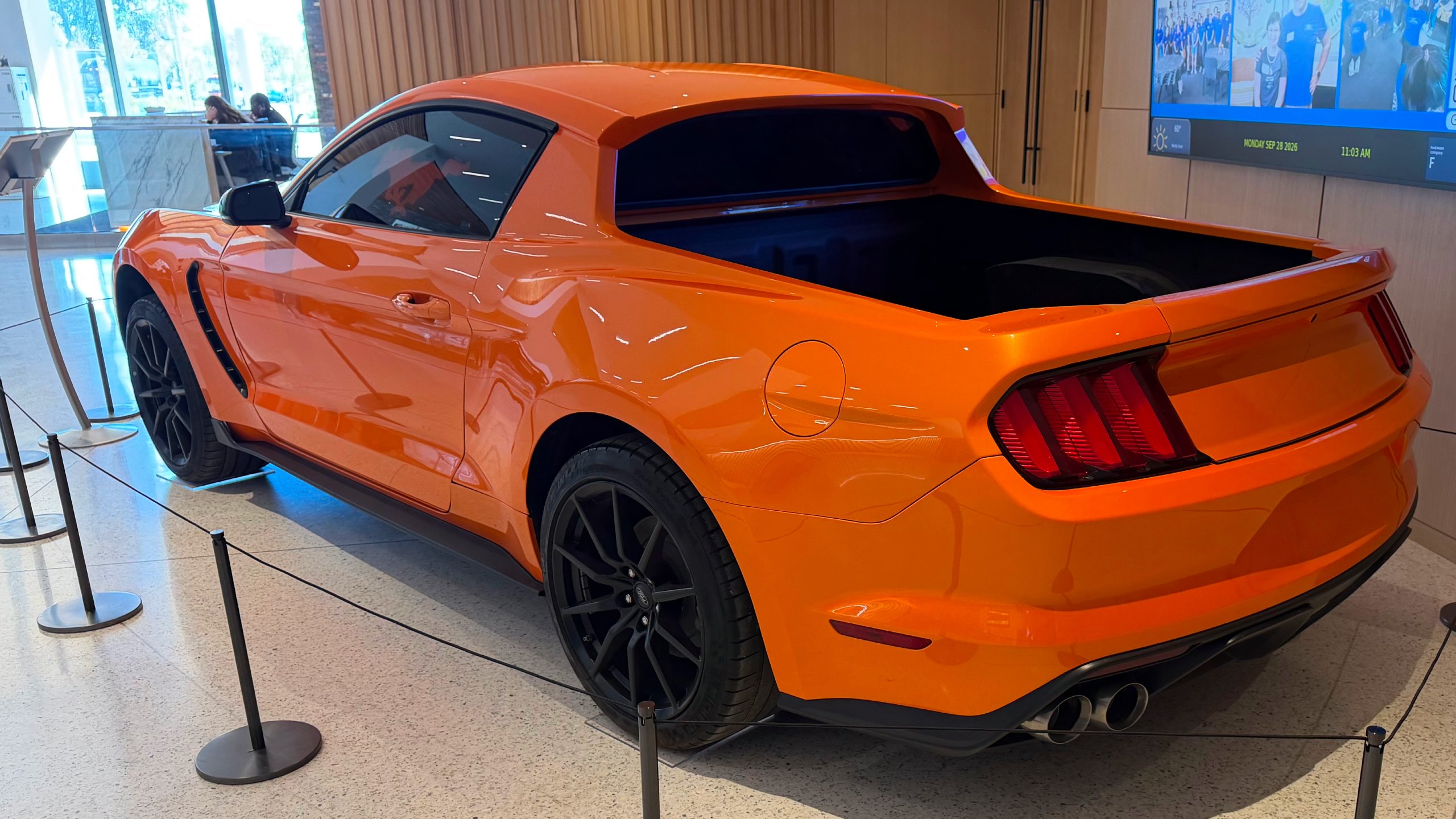
The Mustang recall is the larger of the two, covering 67,842 cars from the 2024 through 2026 model years, including the six-figure Mustang GTD. When temperatures drop to 32 degrees or below, the wiper motor can lose communication with the steering column module. The result: wipers locked on high speed, with the washer system completely dead.
Not exactly ideal in a snowstorm.
The root cause traces to a supplier error. A circuit board meant for a 16-kilobyte chip was printed with 32-kilobyte programming settings, creating an algorithm mismatch. Ford’s Flat Rock Assembly Plant flagged the problem in January after a 2026 Mustang showed the symptom.
Thirty-five warranty claims have followed. No crashes or injuries reported. Ford will inspect and replace faulty wiper motors.
The Mach-E recall covers 42,784 units and carries heavier stakes. The rear differential pinion shaft can fracture from bending fatigue, which means the vehicle can either lose power entirely or roll while parked. Neither outcome is acceptable.
Ford discovered the issue in March during a teardown analysis of a failed 2023 European-market Mach-E. Six additional failed shafts were analyzed between March and May, all showing the same bending fatigue pattern. The automaker traced discrepancies in part core hardness measurements back to the supplier but still hasn’t identified the root cause.
Sixty-two warranty claims are on file. Again, no reported crashes or injuries.
The fix involves repairing or replacing the entire rear differential assembly with a more robust pinion shaft. That’s not a minor repair, and it signals Ford knows the original part wasn’t up to the job.
These two recalls land on a pile that’s already staggering. Ford has issued 56 recalls covering more than 11 million vehicles so far in 2026, and we’re barely past the halfway mark. Last year, the automaker pushed out 153 recalls affecting just over 13 million vehicles.
At the current pace, the vehicle count will easily surpass that figure even if the number of individual recall actions doesn’t.
No other major automaker operates at this volume. Toyota issues recalls. So does GM. But Ford’s cadence is in a different league, a drumbeat so constant it risks becoming background noise to consumers who stop opening the mail.
The supplier angle in both recalls deserves attention. A programming error on a circuit board. Hardness discrepancies in a pinion shaft.
Ford’s quality problems aren’t always born in Dearborn — they’re imported through a supply chain the company hasn’t fully brought to heel. Supplier management is an unsexy discipline, but it’s the difference between a recall notice and a car that works as advertised.
Ford will point out that aggressive recall action is responsible behavior, and that’s true. Finding problems and fixing them is better than ignoring them. But at some point, the sheer frequency forces a different question: why are there so many problems to find?
The Mustang wiper issue is an inconvenience. The Mach-E differential failure is a safety concern that could leave a driver stranded or let a parked car roll into traffic. Both are fixable. Both are covered. And both add to a recall record that Ford seems unable — or unwilling — to slow down.
Share this Story