
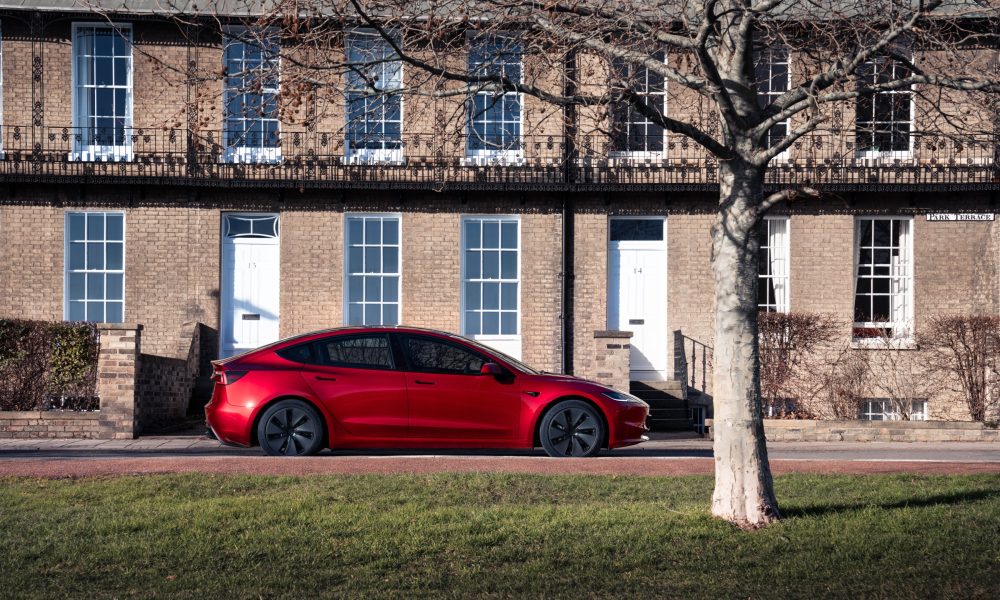


Lars Moravy thinks about a Plaid Model 3 “all the time.” That’s a fascinating admission from Tesla’s Vice President of Vehicle Engineering, especially since the company just killed the only two vehicles that ever wore the Plaid badge.
With the Model S and Model X now gone from the lineup, Tesla’s most ferocious powertrain is homeless. The carbon-sleeved motors, the sub-two-second acceleration runs, the quarter-mile dominance — all of it currently lives in the rearview mirror. Moravy, speaking on the Ride the Lightning podcast, confirmed that Tesla hasn’t figured out where to put it next.
He called fitting the Plaid drivetrain into a Model 3 a “tight engineering squeeze.” That’s engineer-speak for “we haven’t solved this yet.” No production plans exist, and no timeline was offered.
What Tesla’s top vehicle engineer gave the world was a wistful acknowledgment that the idea is appealing and the execution is hard.
The Model 3 Performance already does 0-60 in 2.9 seconds and tops out at 163 mph. Those are numbers that would have been fantasy-level for a $50,000 sedan a decade ago. Shaving another half-second off that sprint and reworking the suspension, downforce, and aero package for a Plaid variant would create something genuinely unhinged — a mass-market four-door that could embarrass six-figure sports cars.
But Tesla has a pattern of teasing performance vehicles that take years to materialize, or never do. The Roadster was unveiled in 2017 with promises of a 1.9-second 0-60 time. Nine years later, it still hasn’t reached customers, and nobody knows when it will.
Moravy’s comments about the Model 3 Plaid land in that same ambiguous territory — aspirational, technically interesting, and completely unmoored from any shipping date.
The timing of this tease is worth examining. Tesla discontinued the Model S and X, its halo sedans, leaving the brand without a true flagship performance car. The Cybertruck exists but serves a different audience.
The Model 3 and Model Y are the workhorses. Injecting Plaid DNA into the Model 3 would give Tesla a performance story to tell again, something the brand badly needs as Chinese competitors like Xiaomi’s SU7 Ultra chase the same enthusiast crowd with devastating specs and aggressive pricing.
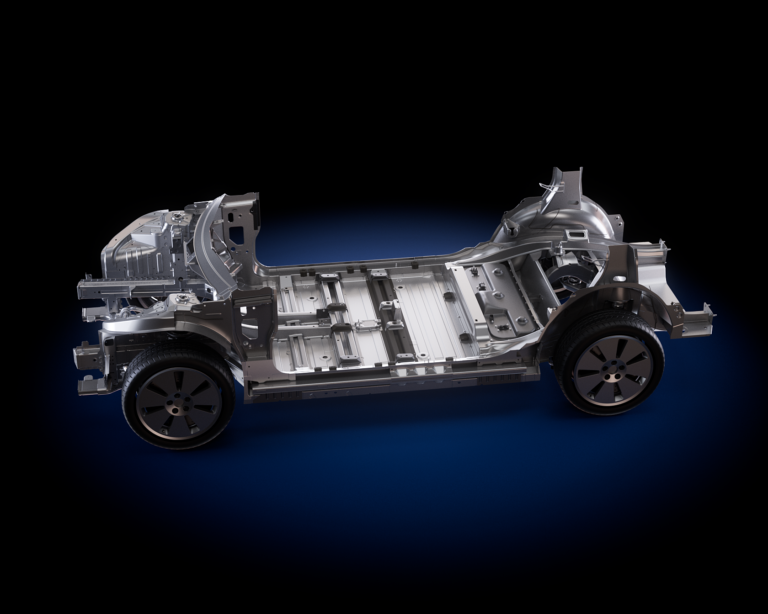
There’s also the question of platform. The current Model 3 Highland refresh was designed around efficiency and refinement, not brute-force acceleration. Cramming in a tri-motor Plaid setup — or even a dual-motor variant using the carbon-sleeved units — would demand serious thermal management, structural reinforcement, and probably a battery pack revision.
Moravy didn’t elaborate on any of those specifics. What he did was plant a flag in the ground to signal that Tesla hasn’t abandoned the idea of building absurdly fast cars for something less than Roadster money. Whether that flag leads anywhere depends on resources, priorities, and a CEO whose attention has been spread across rockets, robots, social media platforms, and government advisory roles.
Tesla enthusiasts will hear Moravy’s comments and feel a rush of excitement. They should temper it. The distance between “I think about it all the time” and “here’s the configurator page” has historically been measured in years at this company, sometimes in broken promises.
The Plaid powertrain deserves a home. The Model 3 might be the right one. But thinking about it and building it are two very different things, and right now, Tesla is only doing one of them.
Share this Story