
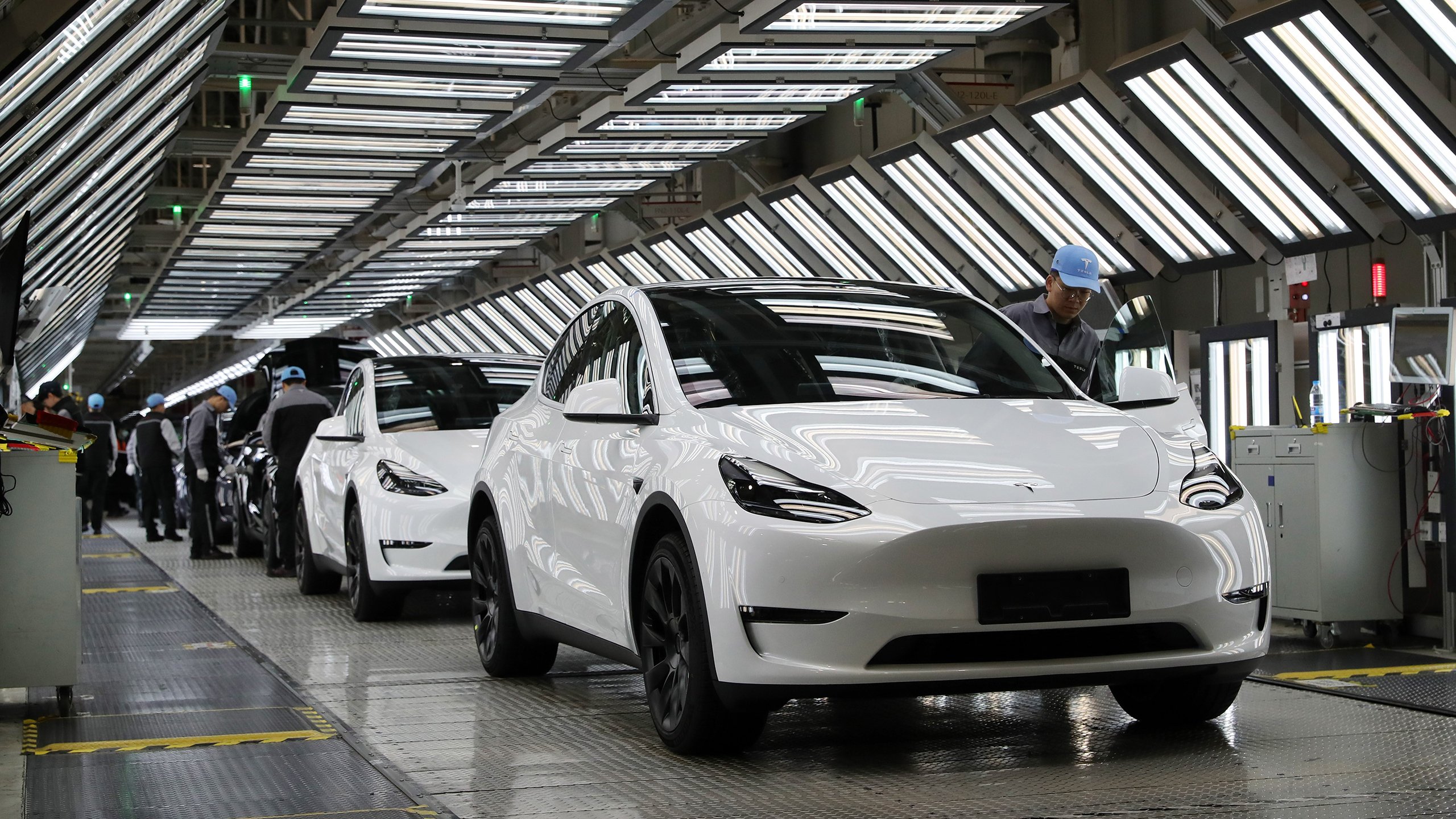


Tesla has reportedly weighed selling off its entire China operation as a potential merger with SpaceX threatens to create a regulatory nightmare between Washington and Beijing. The Wall Street Journal report landed like a grenade this week, and both Tesla China and Elon Musk rushed to deny it.
The logic, though, tracks. SpaceX holds billions in classified U.S. military and intelligence contracts. Merging it with a company that operates one of the largest foreign-owned auto manufacturing plants in Shanghai, sources millions of battery cells from Chinese suppliers, and depends on China for roughly a quarter of its global sales would raise immediate red flags with national security regulators on both sides of the Pacific.
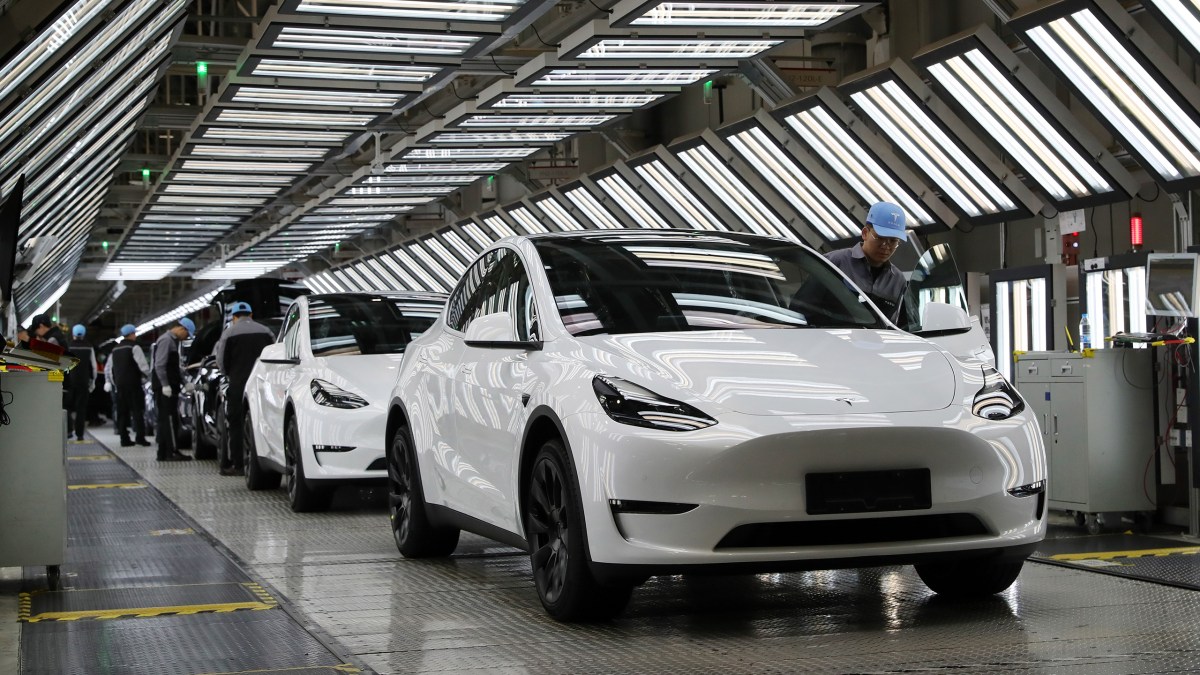
China is not a side hustle for Tesla. Giga Shanghai pumps out hundreds of thousands of vehicles a year, serving both the domestic Chinese market and as an export hub for Europe and Asia. Walking away from that would be like GM abandoning the pickup truck.
Yet the SpaceX merger concept has been floating around Musk’s orbit for months. Combining his rocket company’s valuation with Tesla’s would create a conglomerate unlike anything the market has seen. The problem is that you cannot run spy satellites for the Pentagon and maintain cozy manufacturing ties with China without somebody in Washington or Beijing, probably both, demanding you pick a side.
Musk’s public dismissal of the report was characteristically brief and offered no detail. Tesla China issued a similarly terse denial. Neither addressed the underlying tension, which is that any serious merger discussion would have to confront the China question head-on.
The denial itself is interesting. Musk has a long history of publicly shooting down stories that later prove directionally correct. Whether Tesla is actively negotiating a sale of its Chinese business or merely gaming out scenarios for a merger that may never happen, the fact that the conversation exists at all reveals how tangled Musk’s empire has become.
Meanwhile, the rest of the auto industry kept moving. Rivian posted a strong second quarter with revenue up 27% year over year, beating Wall Street expectations and bumping its full-year delivery forecast to 70,000 units on the strength of the R2 launch. That is a company executing while its biggest competitor is busy untangling a corporate identity crisis.
In Japan, the earthquake earlier this week shuttered production at Toyota, Nissan, Mitsubishi, Daihatsu, and a Honda motorcycle plant. Key suppliers Renesas and Aisin are still working through disruptions, with stoppages expected to last into the first week of August. Supply chain fragility remains the industry’s permanent background noise.
Ford CEO Jim Farley told employees he expects Chinese automakers to enter the U.S. market within five to ten years, regardless of legislative efforts to block them. That timeline feels aggressive to some and overdue to others, but the fact that Ford’s own CEO is preparing his workforce for it says plenty about where the competitive pressure is heading.
NHTSA gave Zoox the green light for limited commercial deployment of its steering-wheel-free robotaxis, starting in Las Vegas. The company can now charge passengers for rides, a milestone that took years of regulatory negotiation.
California’s first-half 2026 registration data tells its own story. Twenty-two percent of new-car buyers chose hybrids, compared to just 16% for battery EVs. The plug-in revolution is happening, just not the way the purists predicted.

Share this Story