
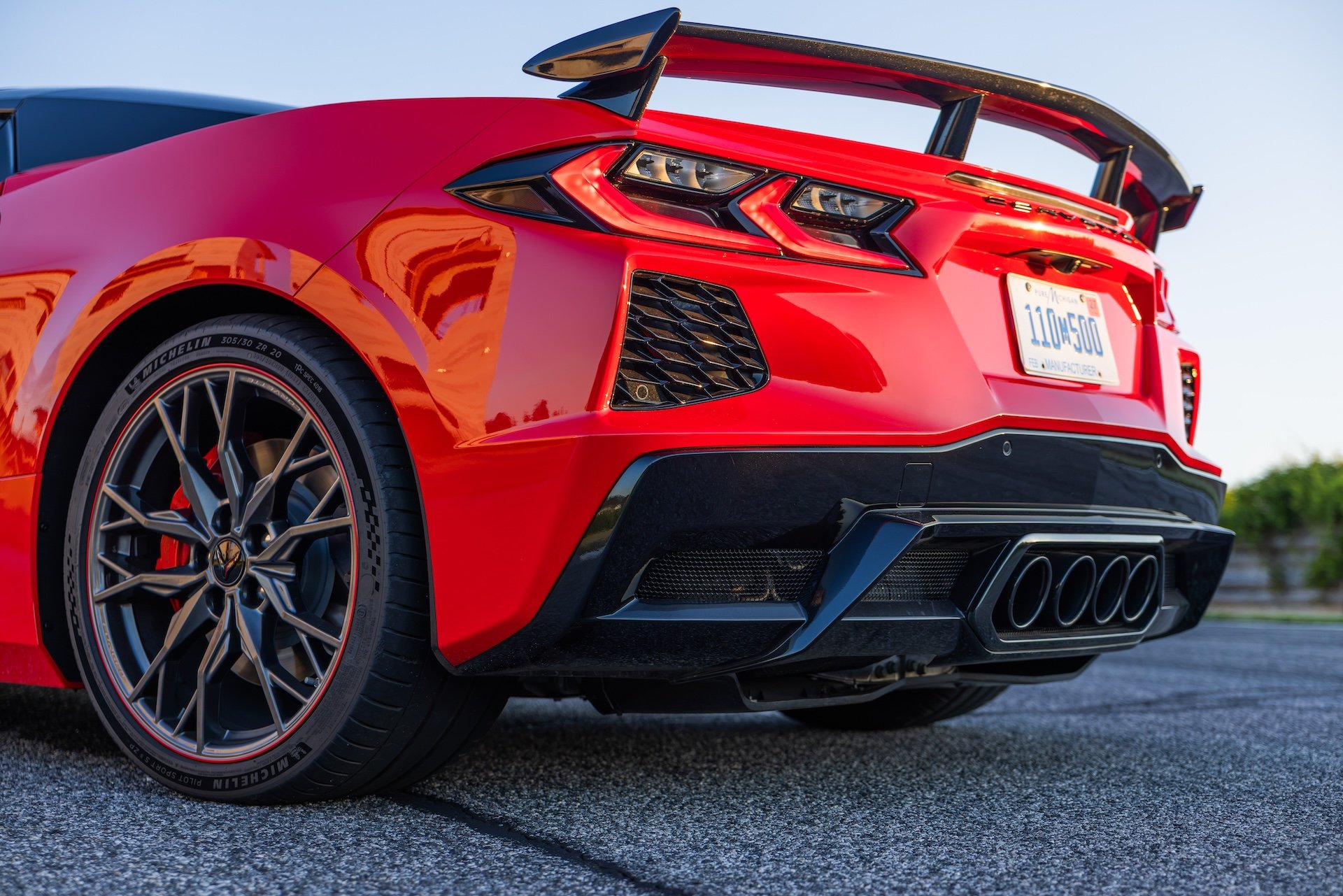


The man in charge of the Corvette just told enthusiasts to stop waiting for a stick shift. Tony Roma, GM’s executive chief engineer for the Corvette and performance cars, laid it out plainly on The Drivecast: a manual transmission for the C8 would require a ground-up gearbox development that no business case can justify.
For three generations of front-engine Corvettes, Chevrolet leaned on essentially the same manual architecture, refined over 30 years, with costs largely amortized. The mid-engine C8 killed that lineage. Its transaxle layout is an entirely different animal, and grafting a manual into it would mean starting from zero.
Roma didn’t mince words about Tremec’s attempt to fill that gap. At SEMA last year, the transmission specialist unveiled a six-speed manual transaxle it claimed was a bolt-in solution for the C8. Roma’s response at the time was blunt, calling it something he wished Tremec hadn’t shown and dismissing it as “not real.”
Tremec pushed back publicly, but Roma’s clarification is telling: the unit may have been mechanically viable, but it wasn’t homologated for production to GM’s standards. Nearly a year later, no working prototype has appeared in an actual car.
The timing of this conversation matters. Manual transmissions are enjoying a cultural moment. Porsche offers them across much of its lineup, Gordon Murray put one in the T.50, Pagani’s Utopia uses a seven-speed manual, and Ferrari has hinted at bringing one back.
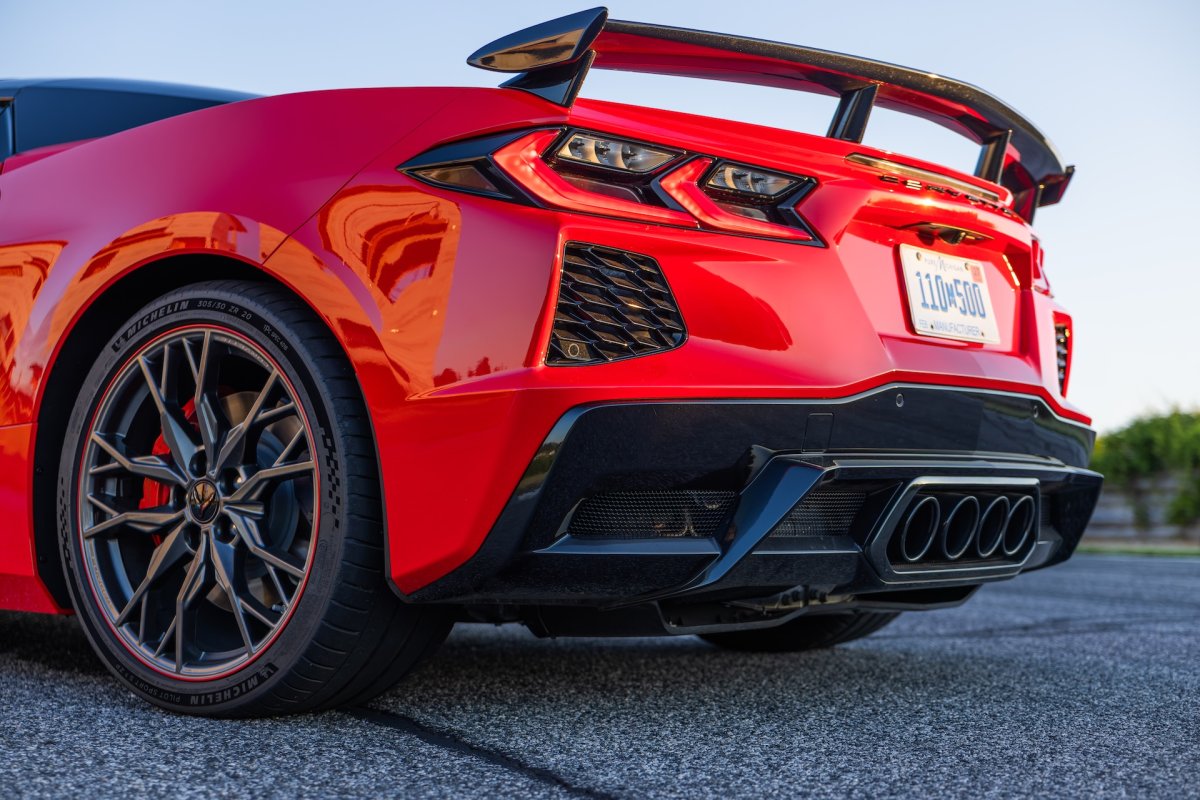
Every boutique supercar maker seems to treat a third pedal like a luxury accessory, a marker of exclusivity rather than a performance tool. Roma sees right through it. Those buyers want manuals because they’re rare, he argued, the same way an earlier generation of wealthy collectors once chased dual-clutch gearboxes when those were exotic.
It’s fashion, not function. And fashion isn’t how GM engineers justify the tens of millions it would cost to develop, validate, and certify a new transaxle.
The dual-clutch eight-speed in the C8 shifts faster, launches harder, and delivers better fuel economy than any manual could. Roma, who describes himself as a manual fan, acknowledged the emotional appeal but drew a hard line. “You don’t do it just because you can,” he said. “You do it because it makes the car better.”
That philosophy puts the Corvette at odds with a slice of its own fan base. The C8 was already a polarizing car when it moved the engine behind the driver. Losing the manual compounded the sense among longtime owners that their car had become something else entirely.
GM’s calculus is clear. The C8 outsells every mid-engine competitor in its price range by absurd margins. The people buying them aren’t walking away over a missing clutch pedal. They’re lining up for Z06 allocations and ZR1 waitlists with the DCT and not looking back.
Roma’s comments suggest no door has been left open for future Corvette generations either. The cost problem doesn’t shrink as powertrains get more complex. If anything, electrification makes a manual even harder to justify, both financially and mechanically.
The enthusiast internet will keep photoshopping shift knobs into C8 interiors. Tremec may keep chasing the dream. But the engineer holding the keys just told everyone the lock has been changed.


Share this Story