
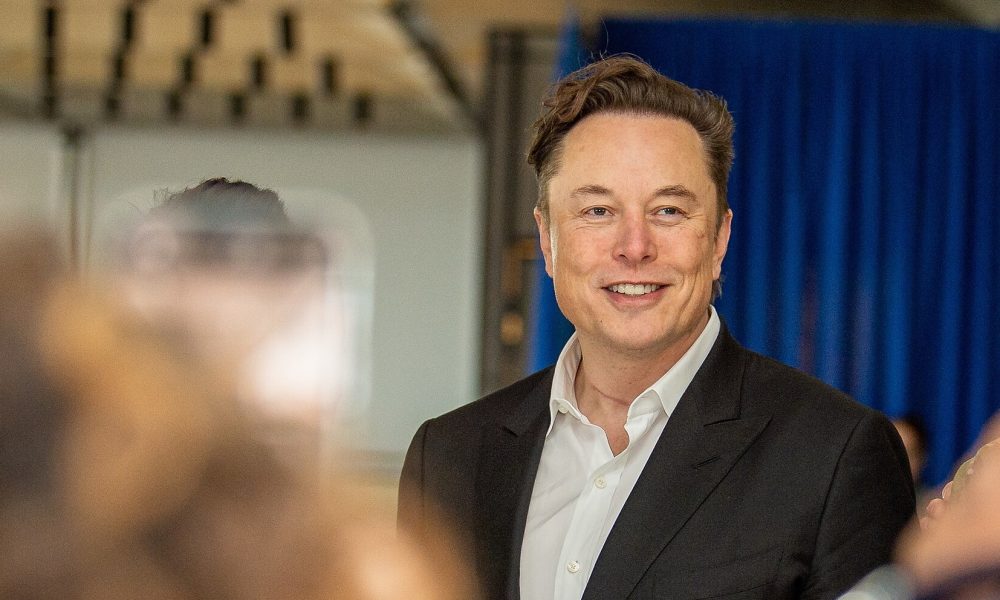


Elon Musk has $44.7 billion in cash on Tesla’s balance sheet, zero debt, and a Baa3 credit rating from Moody’s. SpaceX, his rocket company, just walked in the door with a first-time Baa1 — two full notches higher. Musk didn’t take it well.
“Tesla’s credit rating is ridiculously low tbh,” Musk posted on X. He followed up: “Yeah, makes no sense. Tesla has over $40B in cash, no debt and is consistently profitable!”
He’s not wrong about the numbers. Tesla generated $3.9 billion in operating cash flow in Q1 2026 and posted $1.4 billion in positive free cash flow. The company has been profitable for years while most legacy automakers bleed red ink trying to electrify their lineups. By any raw balance-sheet metric, Tesla looks like a fortress.
But Moody’s doesn’t grade on balance sheets alone.
SpaceX earned its Baa1 on the strength of long-term government contracts, Starlink’s mushrooming recurring revenue, dominant market position in orbital launches, and emerging AI infrastructure deals. That’s a diversified, sticky revenue profile with Uncle Sam backstopping a meaningful chunk of it. Credit agencies love predictability, and few things are more predictable than defense and intelligence spending.
Tesla’s story is different. Moody’s has acknowledged the company’s EV leadership, autonomous driving capabilities, and strong liquidity. But the agency has also flagged margin pressures in the automotive segment — the part of the business that still accounts for the vast majority of revenue.
Energy storage is growing fast but remains a fraction of the total. Robotics through Optimus is years from meaningful contribution. Autonomy, despite recent European approvals and the coming Grok integration Musk teased this week, is still a supervised product with regulatory headwinds.
The tension here is structural. SpaceX sells launches and bandwidth to governments and enterprises on multi-year contracts. Tesla sells cars to consumers in a brutally competitive market where pricing power erodes quarter by quarter as Chinese competitors scale and legacy players get serious. One business model whispers stability to a credit analyst. The other screams volatility.
Musk’s frustration reflects a real gap between how Silicon Valley values innovation optionality and how rating agencies quantify near-term risk. A company sitting on $44.7 billion in cash with no debt would, in most industries, command a pristine rating. But Tesla isn’t most companies. Its valuation bakes in autonomous driving, robotaxis, humanoid robots, and energy dominance — none of which generate the kind of contracted, recurring cash flows that make Moody’s analysts sleep soundly.
Both ratings are investment-grade. Neither company is in any danger of missing obligations. The practical difference in borrowing costs between Baa1 and Baa3 is modest. But the symbolism stings, and Musk clearly feels it.
The timing adds another layer. SpaceX is exploring new financing options after recent valuation milestones reportedly north of $350 billion. A strong credit rating greases those wheels.
Tesla, meanwhile, is deep into a capital-intensive buildout of its robotaxi fleet, Optimus production lines, and global energy storage installations. Cheaper debt would help.
Credit ratings are backward-looking by design. They measure the likelihood of repayment based on current cash flows, contractual revenue, and sector risk. They are not, and have never claimed to be, a measure of a company’s future potential.
Musk has spent his career betting that the future arrives faster than conventional wisdom expects. Sometimes he’s right. Sometimes the future takes longer than even he promises.
Moody’s doesn’t care about timelines. It cares about cash flow visibility. And right now, the company launching rockets on government contracts looks safer on paper than the one trying to reinvent transportation, energy, and robotics simultaneously — no matter how much cash is in the bank.


Share this Story