
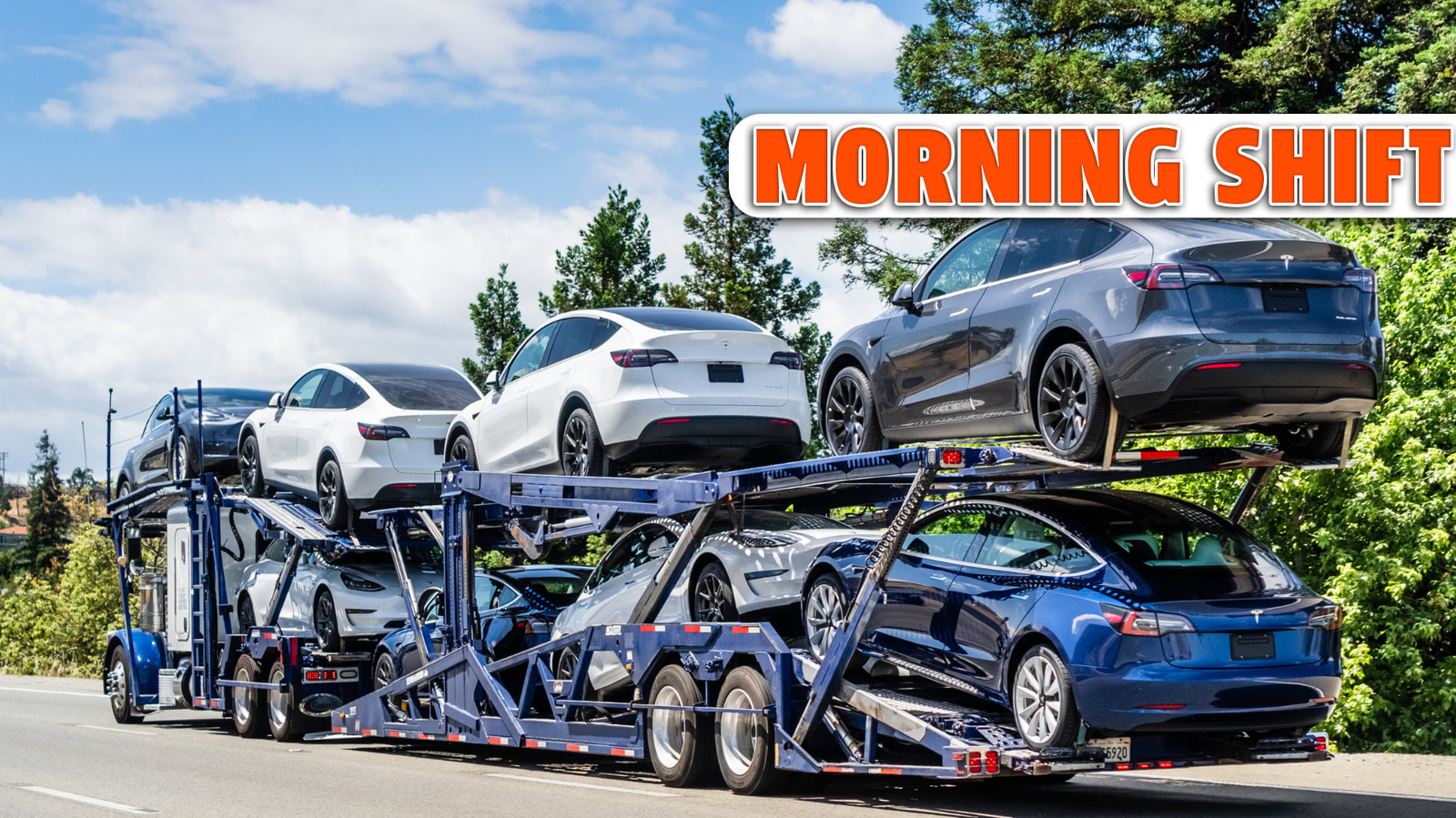


The Alliance for Automotive Innovation, representing General Motors, Toyota, Volkswagen, Hyundai, and most other major automakers, warned Tuesday that car companies may halt sales of both new and used vehicles in California on July 1 unless the state delays a vehicle technology law designed to protect domestic violence survivors from being tracked through their cars.
California accounts for roughly 10 percent of all U.S. auto sales. It is the single largest car market in the country. And the industry trade group is threatening to walk away from it rather than give drivers more control over their own location data.
The law in question passed in 2024. It requires automakers to establish a clear process for drivers to submit a restraining order and request termination of another person’s remote vehicle access within two business days. It also mandates that carmakers let drivers easily disable location tracking from inside the vehicle.
Automakers have had nearly two years to comply. They haven’t.
The Alliance said its members are “implementing” the required protections but that “compliance with some elements of the law is impossible this year.” The group is pushing for a legislative proposal to delay enforcement, and it wants the governor’s signature before July 1. Otherwise, it says, “there is substantial risk that auto sales in California will be suspended.
Read that again. The industry’s position is that building a process to let a domestic violence survivor cut off their abuser’s access to a connected car is too technically complex to manage in 24 months. These are companies that can wirelessly push over-the-air updates, remotely start engines from a phone app, and collect terabytes of driver behavior data to sell to insurers and advertisers.
But flipping a switch to protect someone with a restraining order? Apparently that’s the hard part.
The threat itself is almost certainly a bluff. No automaker is going to voluntarily surrender a market that moves roughly 1.8 million new vehicles a year. Walking away from California would crater quarterly earnings, tank stock prices, and hand competitors an open field.
What the Alliance is really doing is playing a familiar game — using the specter of economic disruption to pressure Sacramento into softening or delaying a consumer protection law. This is the same industry that fought right-to-repair legislation, resisted standardized EV charging, and lobbied against stricter emissions rules for decades. When regulation threatens the data pipeline and the revenue it generates, the first move is always to warn of catastrophic consequences.
Connected car data is enormously valuable. Location tracking, driving patterns, and behavioral analytics feed a growing ecosystem of third-party partnerships. A law that gives individual drivers the ability to shut that pipeline off, even in narrow circumstances, sets a precedent the industry clearly finds threatening.
If California can require easy location opt-outs for restraining order holders today, what stops it from extending those controls to every driver tomorrow? That’s the real fight here. Not two business days of processing time, and not some impossible engineering challenge.
It’s about who controls the data that modern cars generate — the people sitting in them or the companies that built them.
California has shown no public indication it plans to blink. Governor Gavin Newsom’s office has not commented on the Alliance’s ultimatum. The state legislature is considering a delay proposal, but nothing has moved to the governor’s desk.
July 1 is six days away. If no deal materializes, we’ll find out just how serious these threats really are. Don’t hold your breath.




Share this Story