
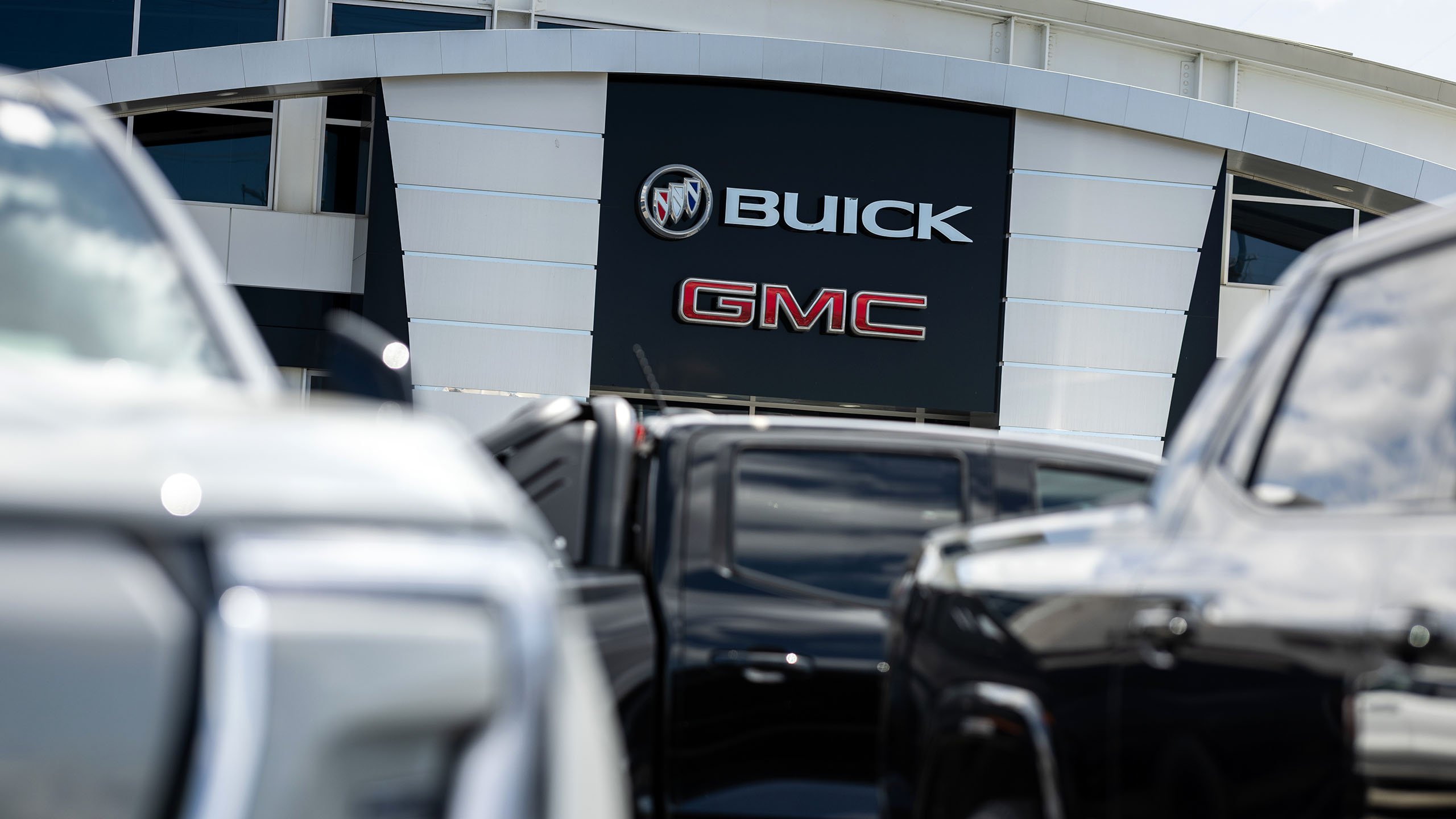


A Long Island GMC dealership moved 99 percent of every vehicle General Motors sent its way and still got labeled an underperformer. Now Sun GMC of Wantagh, New York, is suing GM for $15 million, alleging the automaker has been deliberately strangling its inventory pipeline for years.
The numbers tell the story with brutal clarity. In 2017, Sun GMC received an allocation of roughly 1,200 vehicles. By 2025, that figure had been slashed to 501 — a 58 percent cut for a store that, by its own account, sold virtually everything it was given.
When Sun raised the alarm, GM’s alleged response was breathtaking in its indifference: just buy cars from another dealership and resell them. Anyone who has spent five minutes in this business knows what that means — higher acquisition costs, thinner margins, and a customer experience that deteriorates in ways the dealer gets blamed for but cannot control.
This is the allocation system working exactly as designed, which is the problem. Automakers distribute new vehicles based on a dealer’s performance metrics, and those metrics are supposed to reflect a meritocracy. Sell more, get more. Score well on customer satisfaction surveys, earn the good stuff.
In theory, it incentivizes excellence. In practice, it hands manufacturers an extraordinarily powerful lever to discipline any franchise that falls out of favor — for reasons that may or may not have anything to do with selling cars.
Dirty windows. Outdated signage. A showroom renovation that hasn’t happened yet. Any deviation from the franchise agreement’s standards can trigger a squeeze.
Once inventory starts drying up, the math turns vicious. Fewer vehicles on the lot means fewer sales. Fewer sales mean worse performance scores. Worse scores justify even fewer allocations. It’s a death spiral dressed up as accountability.
Sun GMC says it has been forced to fill its new-car showroom with used vehicles just to keep the lights looking like they belong on. That is not the behavior of a dealer coasting on complacency. That is a business fighting for oxygen.
GM has not publicly detailed its rationale for cutting Sun’s allocation so drastically, and the automaker’s side of this story deserves to be heard in court. But the gap between selling 99 percent of allocated inventory and being classified as underperforming demands an explanation that pure performance metrics cannot easily provide.
The franchise dealer model has always involved a fundamental power imbalance. Dealers are contractually bound to a single manufacturer for their new-vehicle pipeline. They cannot pivot to another brand the way a consumer can walk across the street to a competitor’s lot. That captive relationship means the allocation system functions less like a performance incentive and more like a chokehold when the automaker decides to apply pressure.
Consumer advocates spend a lot of energy — rightly — scrutinizing how dealers treat buyers. The markup wars of 2021 and 2022 earned that scrutiny. But the franchise system’s other friction point, the one between factory and showroom, rarely gets the same attention. Cases like Sun GMC’s peel that curtain back.
Fifteen million dollars is what Sun believes this slow strangulation has cost. Whether a court agrees will depend on the specifics buried in franchise agreements and internal GM communications. But the core allegation is damning on its face: a dealership did almost everything right with what it was given and got punished anyway.
If GM can gut a dealer’s lifeline while that dealer moves 99 out of every 100 vehicles allocated, then the system isn’t measuring performance. It’s enforcing obedience.



Share this Story