
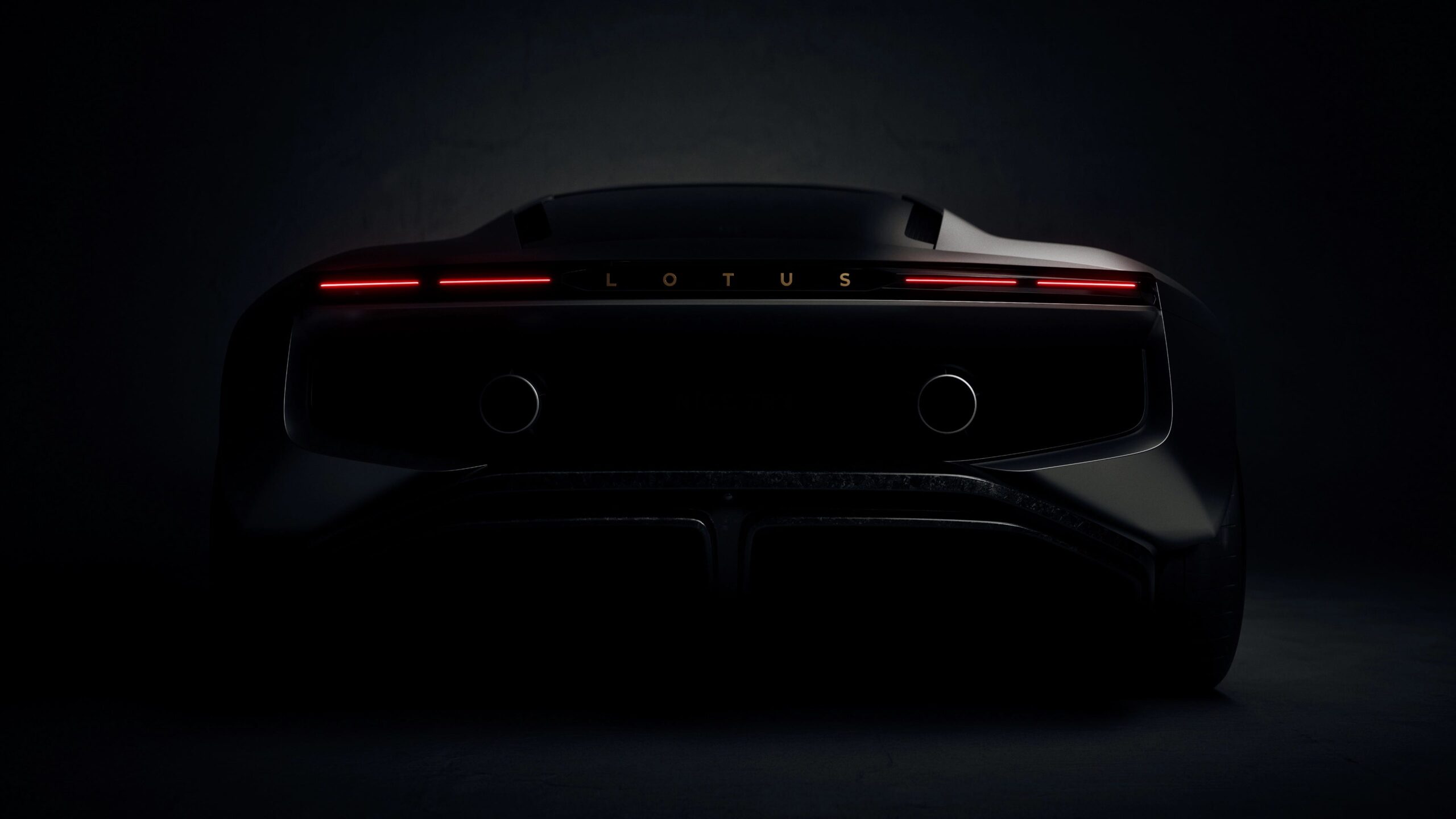


The Lotus Esprit was supposed to come back as an EV. That plan is dead. Instead, the revived Type 135 will offer two internal combustion options, a hybrid V-8 approaching 1000 horsepower and a lighter hybrid V-6, CEO Feng Qingfeng confirmed during a recent earnings call.
The V-6 option is the real story here. Lotus has long staked its reputation on the philosophy of Colin Chapman, the founder who believed adding lightness mattered more than adding power. A twin-turbo 3.0-liter V-6, paired with an electric motor through an automatic transmission, is a far more faithful expression of that idea than a 986-hp V-8 monster.
The V-6 is almost certainly the same hybrid unit Lotus has planned for the updated Emira. In that car, it reportedly makes 536 horsepower and 516 pound-feet of torque. Expect the Esprit version to be tuned higher, though Lotus hasn’t said by how much.
Both engines come from Horse, the joint venture between Renault and Geely, which is Lotus’s parent company. The V-8 hybrid pairs with an eight-speed dual-clutch gearbox and targets just under 1000 hp combined. Lotus says it is working hard to keep the weight of that larger powertrain in check, which tells you something about how heavy it probably is.
The Type 135 sits between the Emira and the $2 million Evija hypercar in the Lotus lineup. Qingfeng framed it that way explicitly, telling Autocar the new Esprit will “preserve the emotional connection Emira owners have with the Lotus mechanical handling, while leveraging V-8 hybrid technology to approach the technical benchmark set by the Evija.
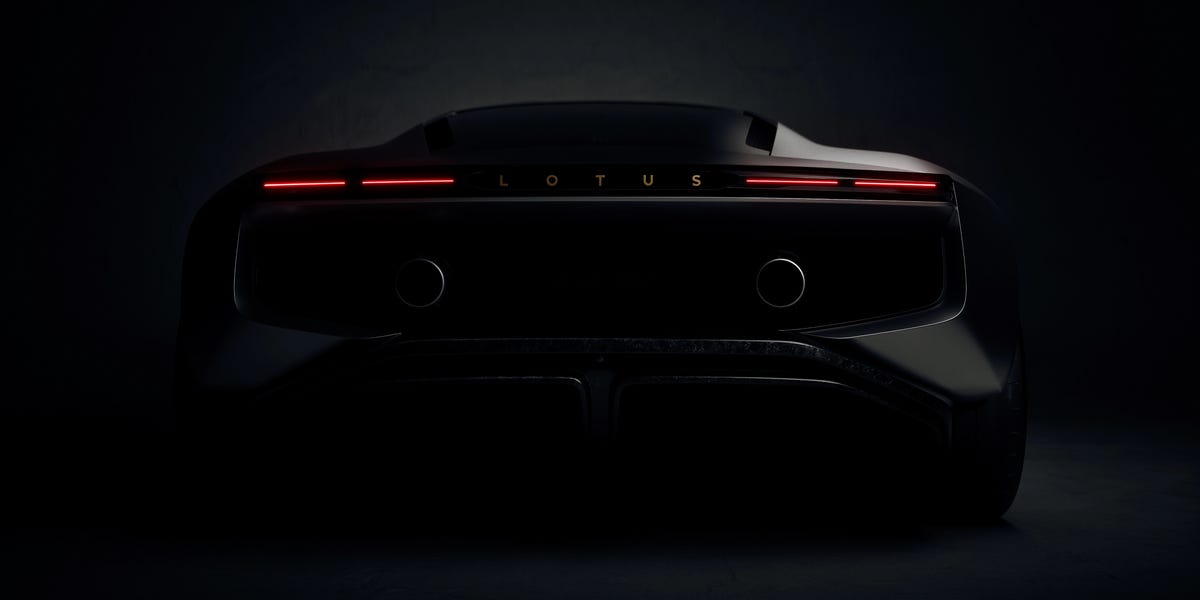
That is a staggering spread. The Emira starts around $80,000. The Evija costs roughly 25 times that. Where exactly the Esprit lands in between will say a lot about whether Lotus is building a real volume supercar or another niche halo machine that most enthusiasts will never touch.
The pivot away from a fully electric Esprit reflects a broader industry recalibration. Lotus initially conceived the Type 135 as a battery-electric successor to the Emira, back when every automaker was tripping over itself to promise an all-EV future. Slowing demand and persistent range and weight concerns forced a rethink. The hybrid route lets Lotus comply with tightening emissions regulations without abandoning the driving dynamics that give the brand whatever credibility it still has.
Full reveal and the start of production are both targeted for 2028, with the car arriving as a 2029 model. Lotus has promised more details in the months ahead, the usual drip-feed campaign that automakers use to keep a car in the conversation long before anyone can actually buy one.
Two things remain unanswered. First, pricing. If the V-6 model comes in under $150,000, Lotus has a genuine competitor against the Porsche 911 Turbo S and Corvette ZR1 crowd. If it creeps past $200,000, it enters a neighborhood with a lot of established and very sharp-elbowed residents.
Second, weight. Lotus can talk about Chapman’s philosophy all day long, but hybrid powertrains carry batteries, motors, and cooling hardware that push curb weights up. The V-6 version needs to weigh meaningfully less than the V-8 to justify its existence as the lightweight choice. Otherwise it is just the slow one.
Lotus has not disclosed curb weight targets for either variant. That silence is worth watching.
Share this Story