
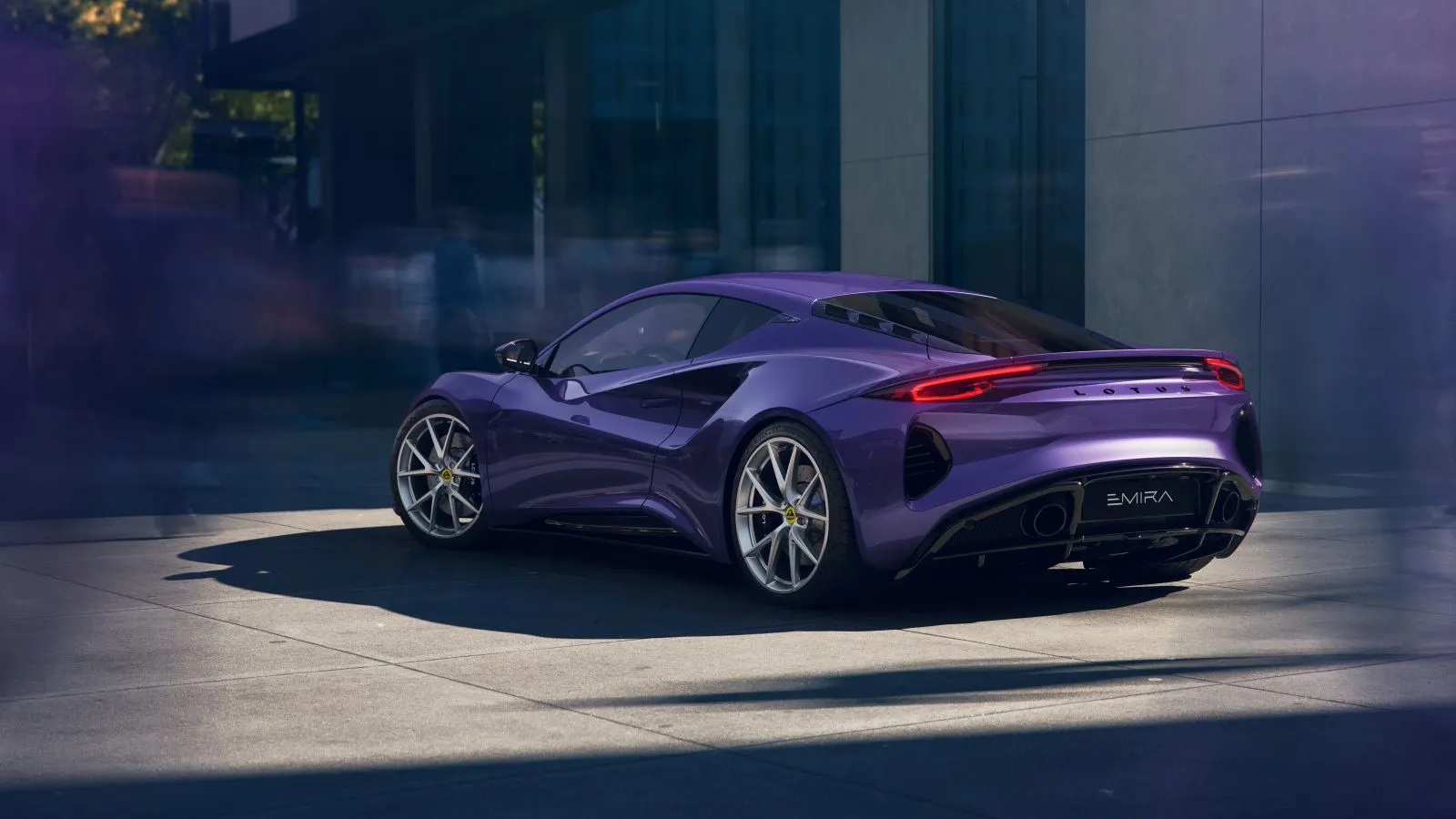


Three months after abandoning its EV-only strategy, Lotus has collapsed its corporate structure into a single entity. Lotus Technology acquired 100 percent of the equity interests in U.K.-based Lotus Advance Technologies, merging the brand’s electrified mobility unit with its historic British production operations under one roof.
The announcement, made August 25, marks the end of a split corporate identity that had separated Lotus into distinct wings for legacy engineering and next-generation electric vehicles. That structure made sense when the company was betting everything on battery power. It makes far less sense now that Lotus is chasing hybrids with more than 1,000 horsepower.
“Lotus is one brand and one strategy, and from today, it is one business,” said Qingfeng Feng, CEO of Lotus Tech.
The unified company remains majority owned by China’s Zhejiang Geely Holding Group, with Malaysia’s Etika Automotive holding a meaningful stake. Feng framed the merger as a step toward executing what Lotus calls its Focus 2030 strategy, a plan for global revitalization that has already pivoted sharply from its original trajectory.
Rewind to May, when Lotus publicly dumped its EV-only roadmap and teased a hybrid hypercar. That reversal came after U.S. tariffs hammered Lotus hard enough to trigger job cuts in September 2025. The company that once staked its future entirely on electrification found the economics didn’t hold, particularly when American import duties eroded margins on vehicles shipped from its Chinese production base.
Now the consolidation follows a familiar playbook. When revenues tighten, you eliminate redundancy. Two separate corporate structures mean duplicated leadership, duplicated supply chains, duplicated overhead.
Folding Lotus Advance Technologies into Lotus Technology is the kind of move that signals management is hunting for every available dollar in the couch cushions.
The 78-year-old Hethel operation, where Colin Chapman built his first Lotus cars, now reports into the same entity that was originally created to push Lotus into the electric future. The acquisition means the electrified mobility side swallowed the legacy production side, not the other way around. That’s a telling detail about where Geely sees the center of gravity for this brand.
Lotus simultaneously launched the Emira 420 Sport in June, its most potent four-cylinder model yet, a car that runs on gasoline and reminds the faithful that the brand still knows how to build a proper sports car. The Emira remains Lotus’s volume play while the company figures out how to deliver hybrid successors that justify their price tags in a hostile trade environment.
The real question is whether one corporate structure can serve two masters: a lightweight, driver-focused sports car tradition rooted in Norfolk and a technology-forward electrified strategy engineered largely out of China. Geely has managed this kind of balancing act before with Volvo, though Volvo never carried the same emotional weight among enthusiasts that Lotus does.
Feng’s language was deliberately forward-looking, referencing the “next chapter” without dwelling on the chapters that didn’t go as planned. The EV-only retreat, the tariff-driven layoffs, the strategic reset. All of it compressed into roughly twelve months.
Lotus now enters the back half of 2026 as a single company with a hybrid future, a Chinese parent, and a British soul it cannot afford to lose.
Share this Story