
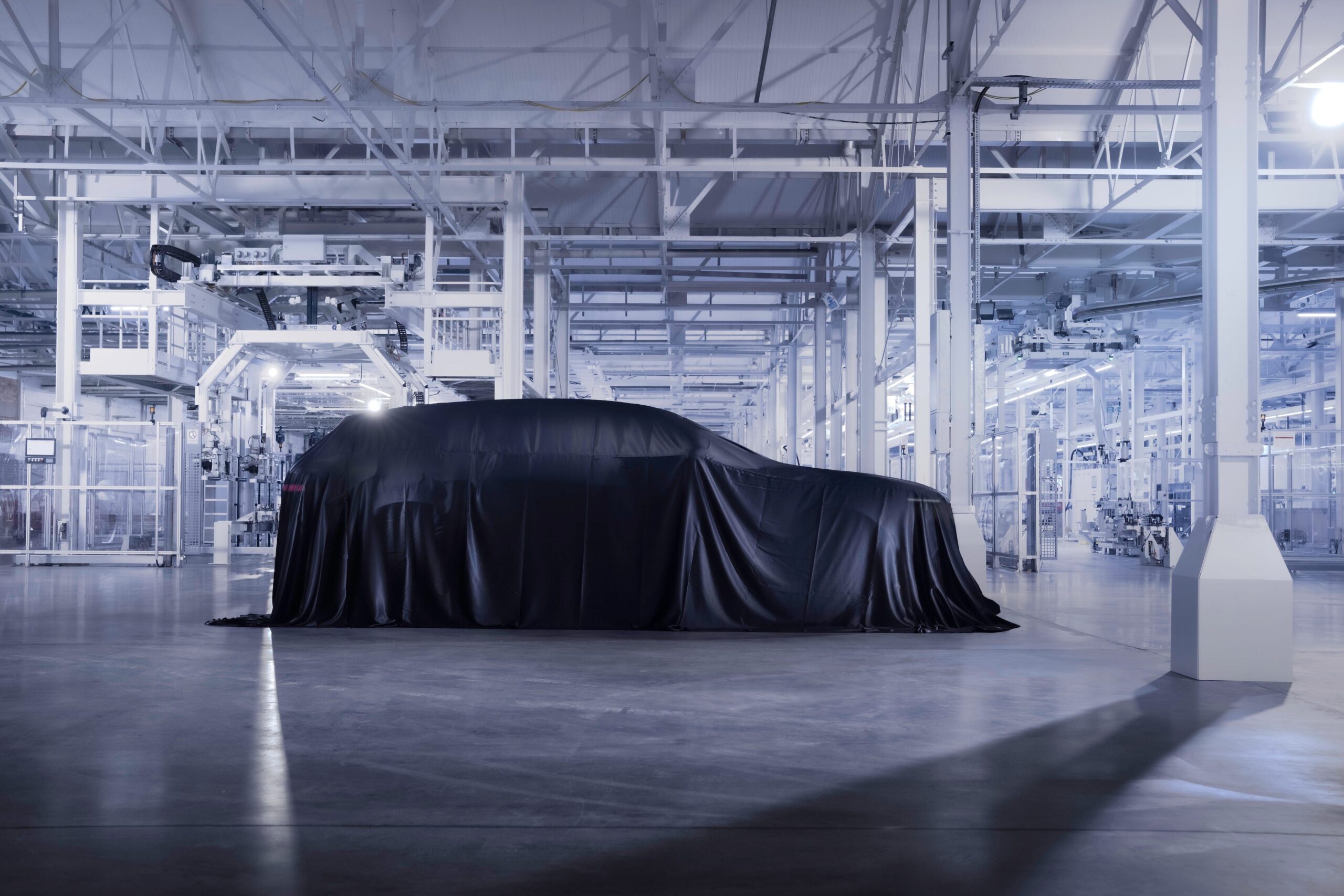


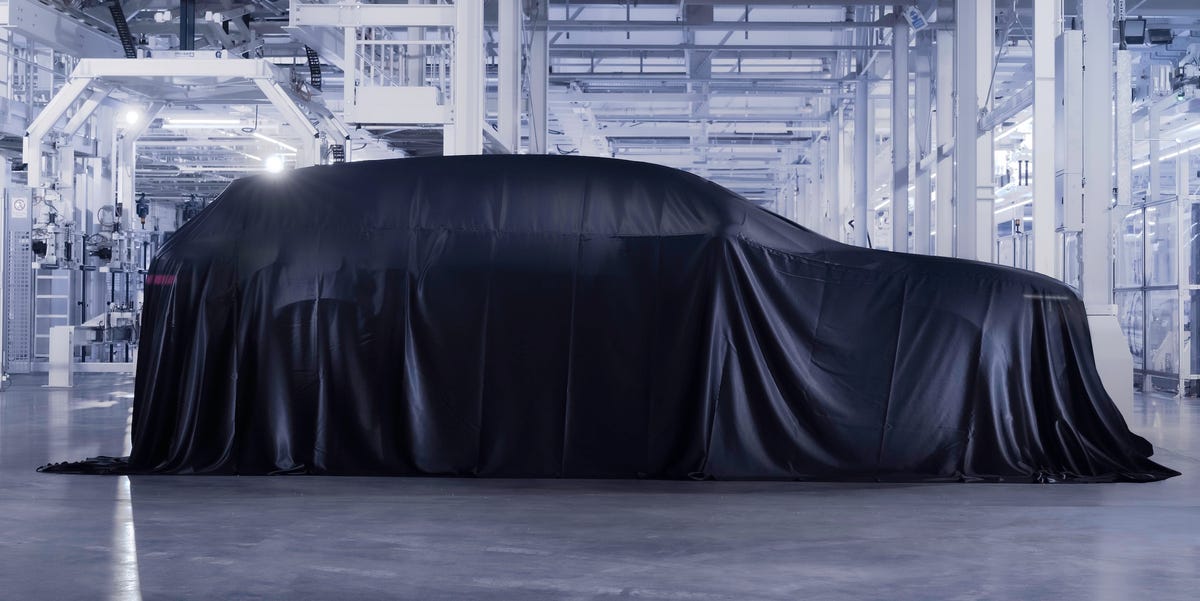
Bentley’s electric debut won’t arrive as a flagship. It’ll come in at the bottom of the lineup, positioned as an “urban SUV” priced at the entry level of a brand where entry level still means six figures. Mike Rocco, president and CEO of Bentley Americas, confirmed the strategy during a sit-down at the 2026 New York International Auto Show.
The car will start being teased later this year, with sales launching in late Q3 2027. Rocco says the price is still being finalized but will land at “the lower end” of the current portfolio. For context, today’s cheapest Bentley — the Bentayga — starts around $175,000.
This is a brand threading a very small needle. The ultra-luxury EV market has been brutal. Porsche can’t move Taycans, and Rolls-Royce Spectre sales cratered after initial curiosity wore off.
Bentley knows this, and Rocco didn’t pretend otherwise. “Obviously, we’re keeping a very close eye on what’s happening in the EV market,” he said.
Their counterstrategy: don’t sell it as an EV. Sell it as a Bentley that happens to be electric. “People will know it’s an EV, but that won’t be the lede, believe me,” Rocco said.
This is the new Bentley urban SUV.” The emphasis on urban is deliberate — this crossover won’t pretend to be an off-roader like the Bentayga. It’s a pavement car for Miami driveways and Beverly Hills valet lines.
Bentley claims clinic results from those two cities showed 80 percent purchase intent. That number sounds spectacular until you remember that clinic respondents aren’t writing checks. Luxury buyers who say “I’d buy that” over hors d’oeuvres have a long history of walking past dealerships when the time comes.
The timing raises questions. Launching an entry-level electric SUV into a market that has punished every luxury EV except the most aggressively priced ones is a gamble. Bentley is betting that its badge carries enough weight to overcome the headwinds that grounded competitors with arguably stronger EV credibility.
Meanwhile, the brand is hedging with combustion. Before the electric SUV arrives, Bentley will roll out the Continental Supersports — a stripped-down, rear-drive, half-ton-lighter version of its grand tourer that reads like a direct repudiation of everything the EV represents. Rocco credited CEO Frank-Stephen Walliser, a 30-year Porsche veteran, and board member Christoph Georges — himself a former Supersports owner — for pushing the project through.
“Between Frank, Christoph, and Matthias, you can feel the excitement back into the brand around the performance of these vehicles,” Rocco said. Dr. Matthias Rabe, board member for R&D, also championed the car. It’s the kind of passion project that tends to emerge when executives who actually drive cars are making decisions.
The two launches paint a picture of a company running in opposite directions at once. One foot stomps the accelerator on a visceral, lightweight GT aimed at enthusiasts. The other tiptoes into an EV segment littered with disappointing sales figures from brands that got there first.
Bentley has survived for over a century by reading the room. Right now, the room is saying combustion still sells at the top end while EVs struggle to justify their premiums. Launching the electric car at the low end of the lineup — rather than as a halo product — suggests Crewe understands the risk.
They’re not betting the house on volts. They’re opening a side door.
Whether anyone walks through it in late 2027, when tariffs, charging infrastructure, and buyer fatigue could look entirely different than they do today, is the question nobody at the New York Auto Show could answer. Rocco’s confidence was measured, not breathless. “We think we have the right price point,” he said. The emphasis on “think” was hard to miss.
Share this Story