


BMW is selling an iX3 in China that the rest of the world can’t buy, and the battery inside it tells you where the industry is heading faster than any corporate strategy deck.
The iX3 30L, exclusive to the Chinese market, swaps out the nickel-manganese-cobalt cells found in the 40L and 50L trims for a lithium-iron-phosphate pack. It starts at RMB 269,900, roughly $40,000, making it the cheapest way into BMW’s Neue Klasse SUV lineup. The chemistry change isn’t cosmetic — it’s structural.
LFP batteries cost about 20 percent less to manufacture than NMC cells. When the battery remains the single most expensive component in any electric vehicle, that gap reshapes the math on everything from trim pricing to margin targets. Research firm Rho Motion reported that global LFP demand surged 48 percent in 2025 alone.
Chinese automakers figured this out years ago. BMW is now catching up on their turf.
The trade-offs are real but manageable. LFP packs carry lower energy density, which means more weight and more physical volume to hit the same capacity. Cold-weather charging slows down.
But the iX3 30L still manages a 10-to-80 percent DC fast charge in 22 minutes, just one minute behind its pricier NMC siblings. Its 77-kWh pack claims 391 miles of range on the generous CLTC cycle. Knock off at least 15 percent for a WLTP equivalent, more for EPA, and you’re still looking at a competitive number for a base model.
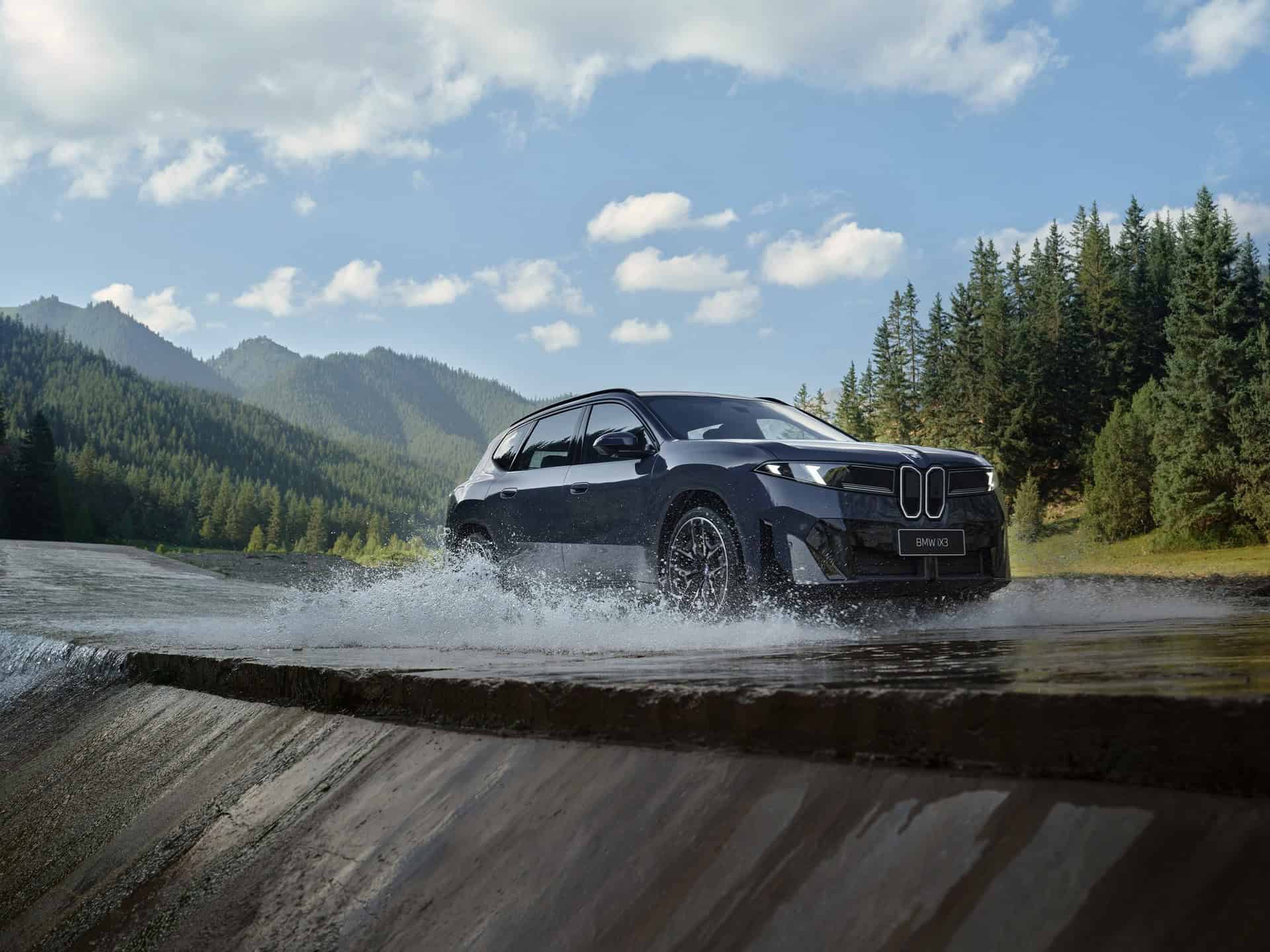
What makes the 30L interesting isn’t just the battery swap. It’s what the swap reveals about the Neue Klasse platform itself. BMW engineered its next-generation architecture to accept both NMC and LFP packs, a deliberate decision that builds optionality into the production line.
That flexibility is worth more than any single model variant. It means BMW can adjust chemistry by market, by trim level, by raw material cost fluctuation, without redesigning the skateboard.
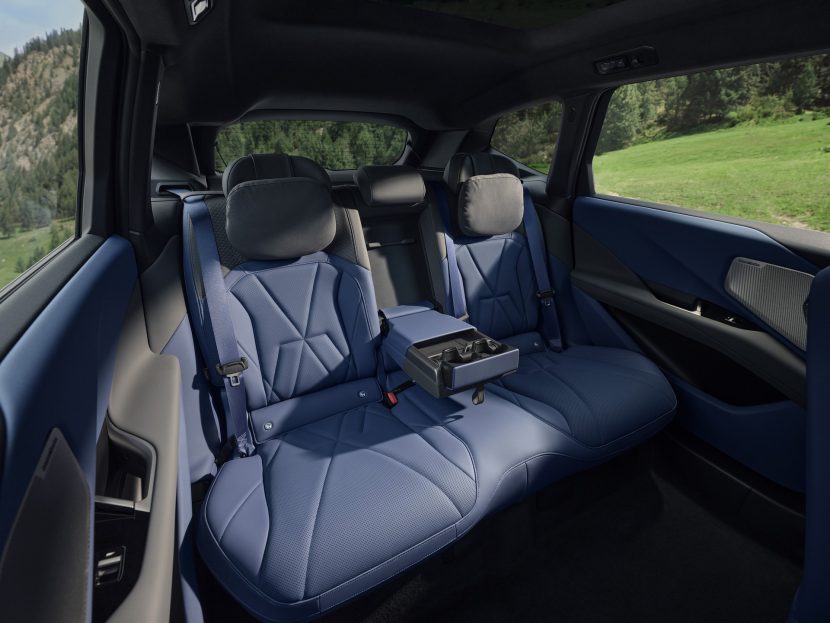
The long-wheelbase iX3 sold in China already diverges from the global car in substantial ways: different door handles, a more luxurious interior, better standard equipment, a stretched wheelbase. Adding a distinct battery chemistry to that list only widens the gap between what Chinese buyers can get and what shows up in European or American showrooms.
LFP’s advantages extend beyond price. Cycle life runs two to four times longer than NMC in some studies. Thermal runaway risk drops, and degradation slows.
The cells avoid cobalt and nickel entirely, sidestepping both supply chain volatility and the uglier corners of mineral extraction. For a base-model buyer who plans to keep the car for a decade, LFP is arguably the smarter bet.
BMW hasn’t said whether the 30L trim will ever leave China. But the long-wheelbase i3 sedan heading to the same market is widely expected to offer an LFP base model too. Once that pattern takes hold across multiple Neue Klasse vehicles, the pressure to bring LFP variants to Europe and North America will build.
Tariffs and local content rules complicate the picture, but the economic logic doesn’t care about borders.
The most telling detail might be the simplest one. BMW built the platform to handle this from the start. That wasn’t an accident, and it wasn’t charity for the Chinese market — it was planning for a future where LFP isn’t the budget option, but the default.
Share this Story