
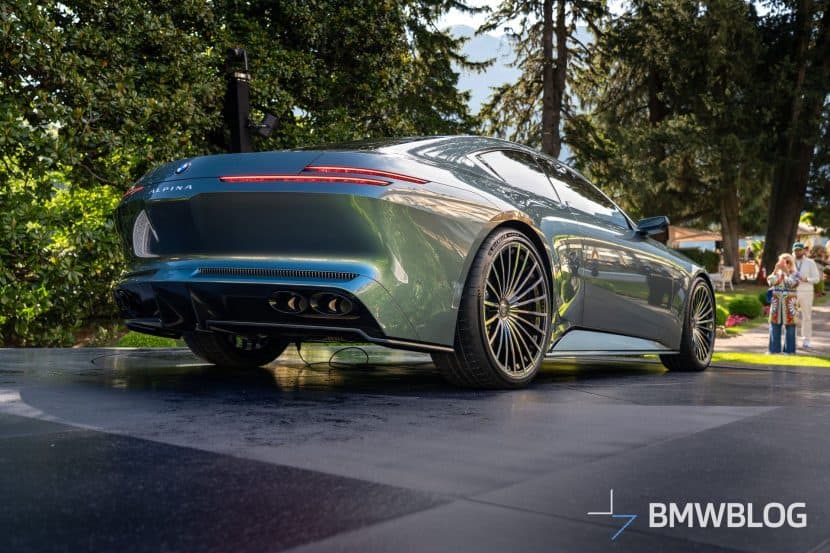


Seven BMW dealerships across South Korea will carve out dedicated ALPINA retail spaces by the end of next year, with the first customer deliveries scheduled for 2028. It’s a quiet but telling move. The newly constituted BMW ALPINA brand is methodically building out its global footprint before it even has a car to sell.
The Korea rollout follows a broader strategy BMW is deploying worldwide: embed ALPINA within existing dealer networks first, then potentially spin off standalone boutiques later. Maximilian Missoni, BMW’s design chief for upper luxury and ALPINA, confirmed the approach in a recent interview, noting that “those spaces will be clearly ALPINA branded and quite differentiated, and will have dedicated areas for customer interaction for individualization.” The language is careful. The ambition is not.
BMW organized an ALPINA community event in Seoul this week, trotting out both Missoni and Oliver Veillechner, who heads the brand. Veillechner laid out the positioning with unusual candor: ALPINA sits above BMW’s existing luxury tiers but below Rolls-Royce. It’s the bridge between a loaded 7 Series and a Ghost — a gap that, until now, BMW left to competitors and aftermarket tuners to fill.
The numbers back the bet. Veillechner told South Korean media that even with prices exceeding €200,000 per car, the old ALPINA — the independent Buchloe-based company that BMW absorbed at the end of 2025 — moved roughly 2,600 units last year, an all-time record. That was the old operation running out of a relatively modest facility. BMW clearly believes it can scale that volume with its own manufacturing muscle and global dealer network.
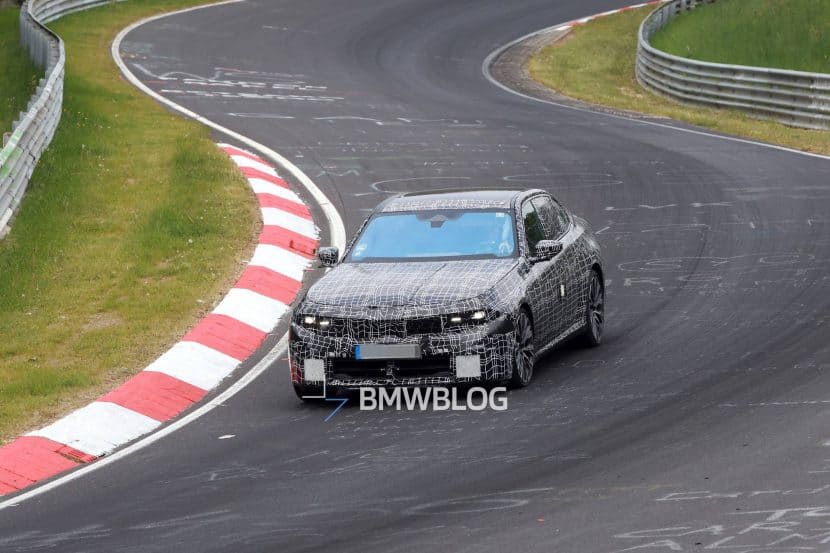
Two models will lead the charge. First comes the 7 Series-based G72, a more opulent derivative of the recently facelifted G70 sedan, expected next year. Close behind is the G69, a luxed-up version of the next-generation X7.
Both will offer V8 and fully electric powertrains — a dual-fuel strategy that hedges against the uneven pace of EV adoption in different markets. One engine won’t be making the trip, though. The V12 remains exclusive to Rolls-Royce, which continues to guard its twin-turbocharged 6.75-liter twelve-cylinder like a family heirloom.
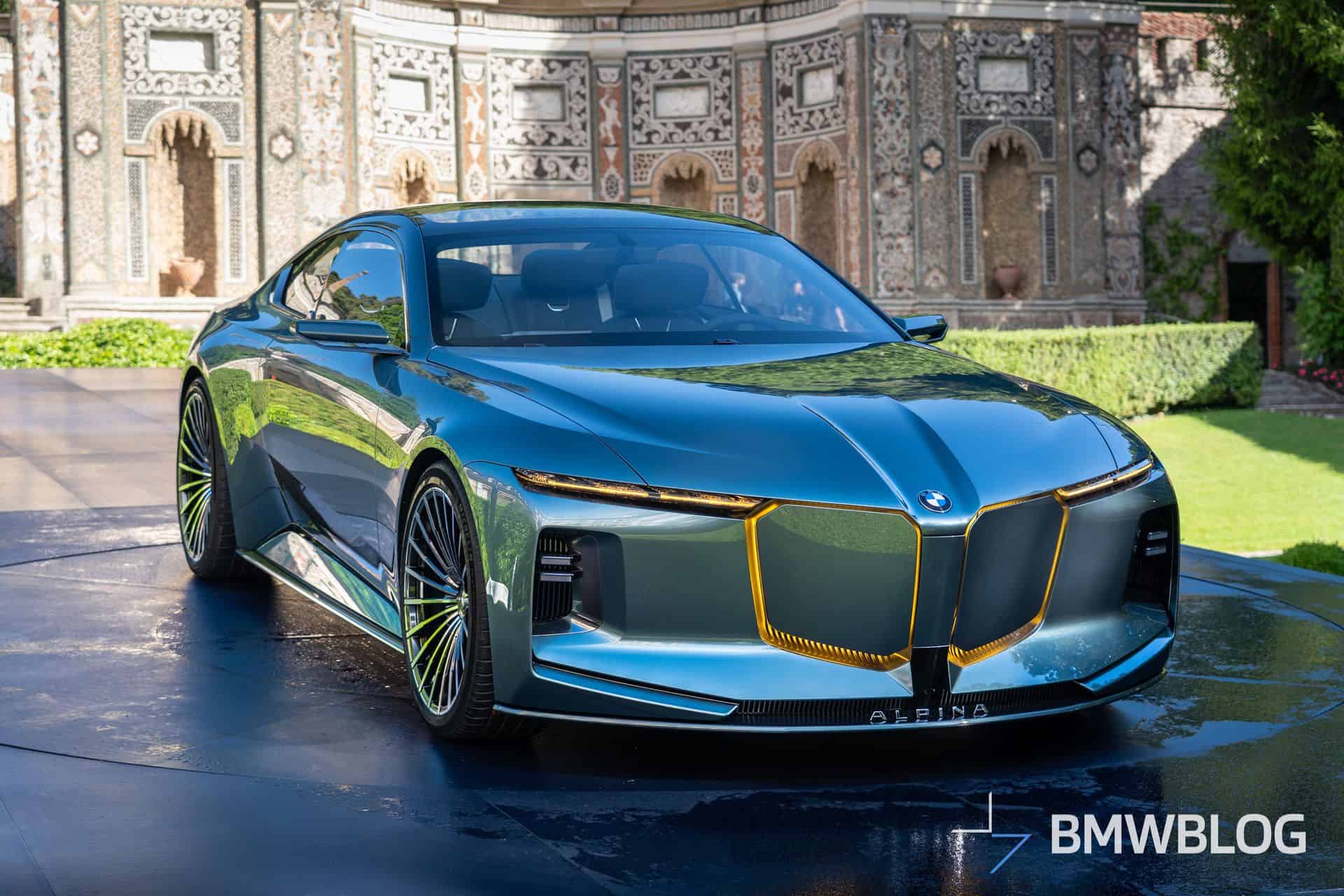
ALPINA purists who associate the brand with silky twelve-cylinder power will have to make their peace with that. What BMW is promising instead is an almost absurd depth of personalization. More than 100 exterior colors, over 20 leather upholstery options, mix-and-match interior materials, and full access to BMW’s Manufaktur bespoke program.
The pitch is clear: if you can’t have twelve cylinders, you can at least have a color nobody else on your street will ever replicate. The Villa d’Este coupe concept that turned heads in May has already been confirmed as a showpiece only — no production run. That gorgeous 2+2 was bait, and it worked.
The sedan and SUV that will actually reach customers are expected to carry forward some of its design DNA, including a retro-tinged shark nose grille treatment. South Korea is a savvy launch market. It punches well above its weight in luxury car consumption, and BMW already has deep infrastructure there.
Dropping ALPINA into seven existing dealerships is low-risk, high-signal — a way to test demand without building anything from scratch. The old ALPINA spent six decades earning its reputation one hand-finished car at a time. The new BMW ALPINA is playing a fundamentally different game: industrialized exclusivity, global scale, corporate backing.
Whether it can replicate the soul of the original while chasing volume is the question that will define the brand’s second life. The Seoul event was polished, the executives were polished, and the strategy sounds airtight on paper. Paper, of course, never had to compete with a Ghost.


Share this Story