
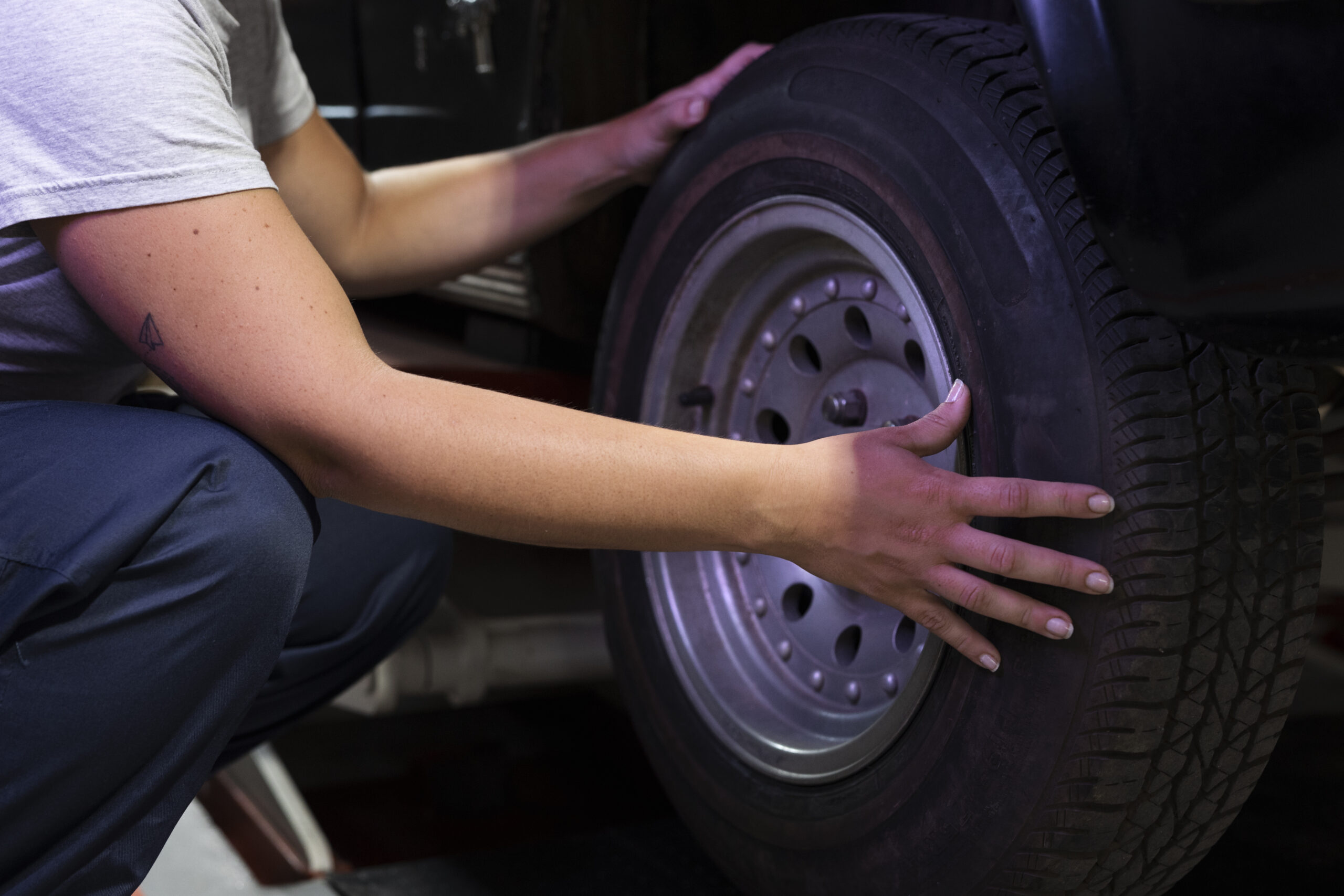


A wheel can have the right diameter plus the right look yet still be wrong for the car. One trim may use larger brakes. Another may have a different drivetrain or factory wheel package. Even cars sharing a model name can differ by year of production. Before ordering wheels for a used car, start with identity. The VIN provides a precise reference for determining which vehicle is actually sitting in the garage.
A practical starting point is the https://vingurus.com/decoder vin lookup. VinGurus states that its VIN decoder uses the 17-digit VIN to provide information about the vehicle such as manufacturer, model year, engine details plus assembly information. Its lookup also searches available records related to accidents, ownership plus safety recalls. The site notes that available histories are not complete for every VIN. That distinction matters. Decoding identifies the car while available history data adds context around its past.
Why Trim Matters When Choosing Wheels
Wheel shopping often begins with diameter. Fitment requires more detail.
A performance trim can carry larger brake hardware than a base version. Different configurations may also use different factory tire sizes or suspension components. Buying wheels from the model name alone therefore creates unnecessary risk.
This becomes especially relevant when purchasing a used car that already has modifications. A previous owner may have changed wheels, suspension parts or brakes. The current setup is not always evidence of the original specification.
Use the VIN as an identification tool first. Then verify wheel requirements against reliable fitment specifications for that exact configuration.
What the VIN Actually Identifies
For modern motor vehicles, the vehicle identification number is a unique 17-character code. It contains numbers and letters arranged in defined positions. The VIN structure identifies information such as manufacturer plus vehicle attributes, model year plus assembly plant.
| VIN section | Information it helps identify |
| First three characters | World manufacturer identifier |
| Positions 4 through 8 | Vehicle description information |
| Ninth character | Check digit |
| Tenth character | Model year |
| Eleventh character | Place of assembly |
| Final six characters | Production sequence |
The first section is commonly called the WMI or world manufacturer identifier. Later positions carry specific information about the vehicle. The final sequence acts as part of its unique serial number.
A VIN number is therefore more useful than simply reading a badge attached to the trunk.
Find Your VIN Before Ordering Parts
Where should the search start?
A common location is the dashboard where the VIN is visible through the windshield on the driver’s side. Another location can be the driver’s doorjamb. Depending on the vehicle, identifying information can also appear around the engine bay.
The car’s VIN should also appear on documents such as the vehicle registration plus vehicle title.
Before buying a vehicle or modifying one, compare these locations.
- Find a car’s VIN through the windshield.
- Compare it with the doorjamb marking.
- Check the vehicle registration.
- Confirm the VIN number on the vehicle title.
- Investigate unexplained differences before purchasing parts.
Checking a car’s identity takes minutes. Correcting an expensive fitment mistake takes considerably longer.
Decode Before Assuming the Badge Tells Everything
Badges are useful clues. They are not permanent identity records.
A used vehicle might have replacement body panels. Exterior badges can be removed or changed. A car might even visually resemble a higher trim after years of modifications.
A VIN check creates another reference point.
To decode a VIN, enter the complete sequence into an online VIN decoder. Accuracy matters because one incorrect digit can produce the wrong result. VinGurus specifically advises checking the entered 17-digit sequence for accuracy before processing it.
That lookup can help establish manufacturer information, model year plus other encoded specifications before wheel research begins.
Why History Matters With Modified Cars
Identification answers one question. History answers another.
When buying a used car with expensive wheels already installed, ask how the vehicle reached its present condition. A vehicle history report can add useful background concerning recorded accidents plus ownership events. History reports can also reveal information that deserves closer inspection.
A salvage title deserves particular attention. Significant previous damage does not automatically tell whether today’s wheel setup fits correctly. It does give the buyer a reason to inspect suspension geometry plus structural repairs carefully.
A full report should complement physical inspection. It should never replace it.
VIN Checks Also Matter Beyond Wheel Fitment
The same identifier follows a car through many administrative processes. A VIN can appear in car insurance records, title documentation plus registration information.
Insurance companies rely on vehicle identification when establishing records for insurance coverage. Correct identification therefore matters outside the workshop too.
For car shopping, perform a VIN check before relying solely on the seller’s description. Purchasing a used car becomes easier to evaluate when paperwork plus physical identifiers agree.
The principle applies when buying a new car as well. Confirming the car’s vehicle identification number helps ensure that documents correspond with the actual vehicle being delivered.
Recall Information Deserves Attention
Vehicle identity also connects owners with safety information.
A recall applies to particular vehicles rather than every car carrying a familiar badge. The National Highway Traffic Safety Administration maintains federal safety recall information in the United States. VIN based recall searches can identify whether a specific vehicle has relevant open safety campaigns.
VinGurus says its lookup includes safety recall information sourced from NHTSA plus manufacturer data.
Check for recalls during used car research. A recall involving safety systems deserves attention regardless of whether the planned modification concerns wheels.
What a VIN Cannot Decide for a Wheel Buyer
A decoded VIN is useful. It is not a wheel fitment calculator.
The vehicle’s VIN helps establish identity. It does not replace measurements plus wheel manufacturer specifications. Offset, width, bolt pattern, center bore, tire dimensions plus brake clearance still need verification.
That distinction prevents a common mistake.
VIN tells which car it is. Fitment data tells which wheel fits it.
The two forms of information work together.
A Practical Identification Checklist
Before ordering a new wheel package, check the following points.
- Confirm the complete VIN number
- Decode the manufacturer plus model information
- Verify the model year
- Confirm the exact trim through reliable vehicle documentation
- Compare the VIN across the dashboard plus doorjamb
- Review available history reports when dealing with a used vehicle
- Check for recalls
- Verify brake clearance separately
- Confirm wheel width plus offset
- Match tire specifications to the intended setup
A window sticker can provide additional factory configuration information when one is available. Original documentation is particularly useful when a car has been modified since leaving the assembly line.
When the Numbers Do Not Match
A mismatch deserves investigation.
Suppose the VIN on the dashboard differs from paperwork. Do not dismiss the discrepancy as a typo without checking. The same caution applies when a seller’s claimed year or configuration conflicts with decoded information.
A vehicle identification number is designed to identify a particular vehicle. Since 1981, standardized VINs used for road vehicles in the United States contain 17 characters.
For a wheel enthusiast, this sounds far removed from offset plus tire width. It is not. Correct fitment begins with correct identification.
Conclusion
Wrong wheels are sometimes the result of a simple mistake. The buyer searched by model name rather than exact vehicle configuration.
The VIN reduces that uncertainty. It identifies the manufacturer, model year plus encoded vehicle characteristics. It can also connect car owners with relevant records used during history research plus recall checks.
Start with the VIN. Confirm the trim. Then research fitment for that exact configuration.
A wheel should be chosen for the car that exists rather than the car its badge appears to describe.
FAQ
Can two versions of the same model require different wheels?
Yes. Trim, brakes, suspension plus factory configuration can affect wheel compatibility. Confirm the exact vehicle before ordering.
Does a VIN check guarantee that aftermarket wheels will fit?
No. A VIN check helps identify the vehicle. Wheel dimensions plus brake clearance still require separate verification.
What if the dashboard VIN differs from the paperwork?
Stop the purchase or modification process until the discrepancy is explained. Physical identifiers plus documents should correspond.
Can a VIN reveal where a car was assembled?
Yes. The VIN structure contains manufacturing information. The eleventh position identifies the assembly plant within the standardized format.
Why check a VIN on a car already owned?
Ownership does not guarantee that every trim detail is known. Decoding the VIN before purchasing wheels can clarify vehicle identity plus provide a stronger starting point for fitment research.






Share this Story