
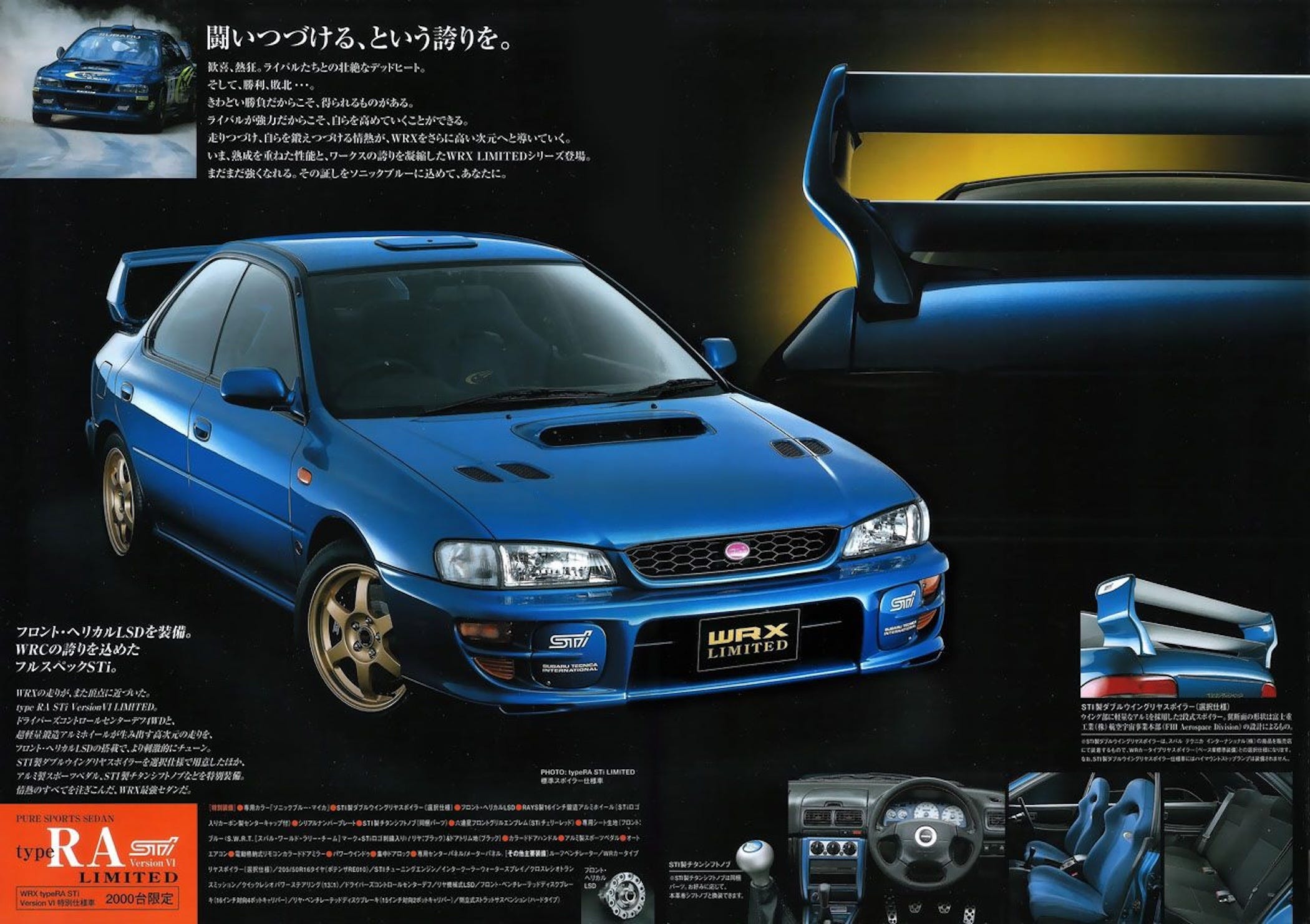


Only 555 were ever built. And one of them — a 1996 Impreza Type RA STI Ver.II V-Limited, built to celebrate Subaru’s 1995 WRC championship — sat on display at the Nostalgic 2 Days show in Yokohama last week as the centerpiece of something the company’s most devoted owners have wanted for years.
Subaru has launched a Heritage Service Program for the GC-chassis WRX and STI, offering factory replacement parts including engine seals, headlights, and weather stripping for cars that rolled off the line in the mid-1990s. The program is Japan-only for now, available through the domestic dealer network.
The timing is no accident. Honda announced the U.S. expansion of its own Heritage Parts Program just days earlier, starting with support for the original NSX. Mazda has been doing the same for the NA Miata. Toyota is selling new engine parts for old Corollas. There is now a full-blown arms race among Japanese automakers to court the owners of their greatest hits.
Subaru built its parts list the old-fashioned way: by tearing down high-mileage examples with more than 125,000 miles on them and cataloging what was actually failing. That is the kind of engineering-led thinking that made these cars beloved in the first place. It stands in contrast to slapping a heritage logo on a catalog and calling it a day.
The program grew out of a survey of Japanese Subaru owners that revealed fierce loyalty to older WRX and STI models. The Heritage Service website even includes a form inviting owners to request future parts. The translated prompt reads: “I want to keep driving my beloved car forever. Please tell us your thoughts.”
That sentence carries more emotional weight than anything in Subaru’s current marketing playbook, and it quietly underscores a tension the company has never fully resolved. The STI badge is on hiatus. The current WRX weighs 3,400 pounds and is dominated by a touchscreen. Subaru’s enthusiast identity lives almost entirely in the past tense.
Which is precisely why this heritage push matters more for Subaru than it does for Honda or Mazda. Those companies still sell cars that thrill drivers. Subaru’s lineup is a sea of competent crossovers. The WRX soldiers on, but without the STI above it, the performance hierarchy has a missing rung.
For American owners, the Japan-only restriction stings but probably won’t last. Both Honda and Mazda followed the same path — domestic launch, then expansion to the U.S. market once logistics were sorted. Subaru sells more cars in America than it does in Japan. The business case for bringing heritage parts stateside practically writes itself.
There is also the matter of the USDM STI’s approaching 25th anniversary. The first American-market STI arrived for 2004. Values on clean examples of those cars and the 2002-era “bugeye” WRX have been climbing steadily. A factory parts pipeline would stabilize those prices and keep more cars on the road — exactly the kind of community investment that builds brand loyalty no Super Bowl ad can buy.
Subaru is the last of the major Japanese performance marques to formalize this kind of program, and in some ways it needed it the most. Nissan has Nismo Heritage for the Skyline GT-R. Toyota covers the A70 and A80 Supra. Honda has the NSX handled. Subaru’s rally-bred legends were the scrappier, more accessible alternatives to all of those cars, and their owners have been scrounging through aftermarket catalogs and overseas parts bins for years.
Now Subaru is officially acknowledging what the parking lot at any Subiefest has made obvious for two decades: the cars that built this brand’s soul deserve more than nostalgia. They deserve gaskets.

Share this Story