


Bruce Campbell announced this week he’s living with an incurable but treatable cancer, and Jalopnik editor Erin Marquis did what any self-respecting gearhead would do — she put on “The Evil Dead” and started thinking about movie cars.
That impulse, small and personal as it sounds, opened a floodgate. Marquis posed the question to readers, and the responses landed like a time capsule cracking open. No one picked a Tesla. Nobody mentioned a Rivian. The cars people carry in their hearts all have carburetors, body roll, and starring roles in films made before the internet swallowed everything whole.
The 1977 Pontiac Trans Am SE from “Smokey and the Bandit” drew immediate, visceral loyalty. One reader recalled a friend’s dad putting a dollar bill on the dashboard and launching the car, daring kids to grab it. That’s the kind of memory Detroit used to manufacture for free.
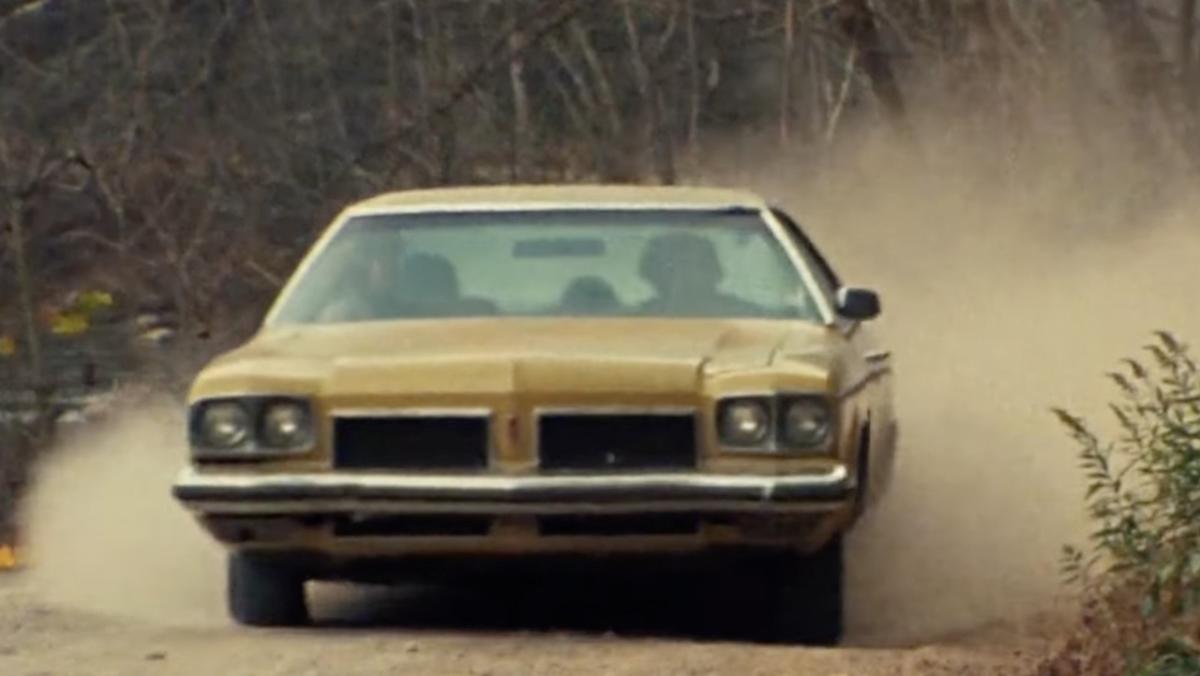
Sam Raimi’s 1973 Oldsmobile Delta 88 — “The Classic” — has appeared in more than 15 of the director’s films across four decades, from the original “Evil Dead” to this year’s “Send Help.” It’s not glamorous. It’s not fast. But it keeps showing up, which is more than you can say for most things in Hollywood.
Raimi bought the car as a teenager and never let go. That kind of loyalty to a machine tells you something about a person.
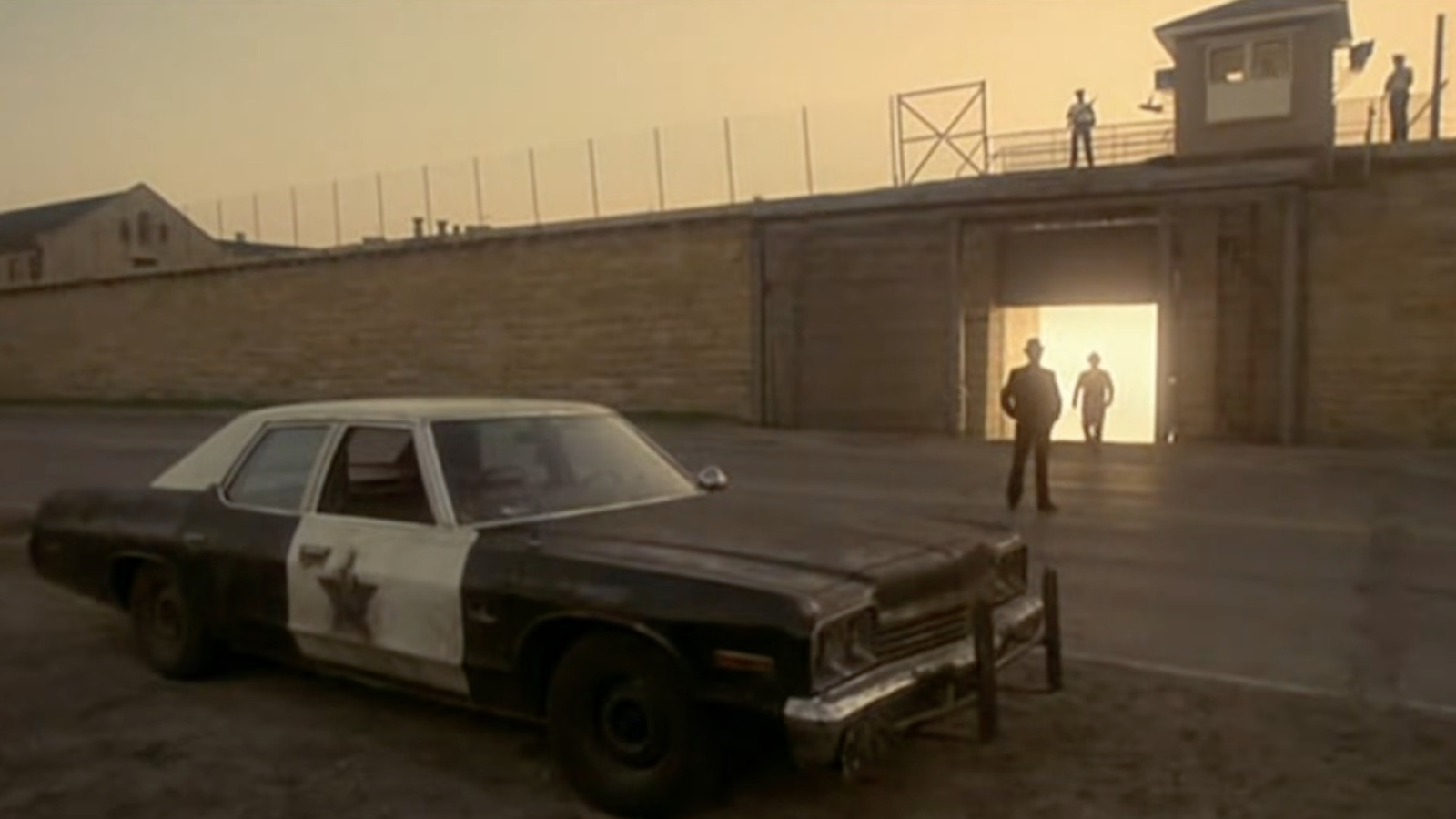
The 1974 Dodge Monaco from “The Blues Brothers” pulled strong sentiment too. One reader singled out the sound of its engine as Elwood floors it through a park, sending Illinois Nazis diving off a bridge. Not the chase. Not the crash. The sound. That’s how deep these things get lodged.
Then there’s the Wagon Queen Family Truckster from “National Lampoon’s Vacation,” which one commenter called “the car we got, not the car we wanted.” Bloated, poorly made, indifferently designed — a rolling indictment of everything wrong with American automaking in that era. The reader credited it, only half-joking, as the reason an entire generation defected to Japanese brands.
The 1958 Plymouth Fury from “Christine” drew praise not for its supernatural homicidal tendencies but for what the story underneath represented: a kid restoring a junkyard car with his own hands. Built, not bought. One reader lovingly described the haunting green glow of the instrument cluster, then conceded those old land yachts drove terribly — floaty, tippy, brakes made of hope.
Mad Max’s Ford Falcon V8 Interceptor. The Aston Martin DB5 from “Goldfinger.” Steve McQueen’s 1968 Mustang Fastback from “Bullitt.” Dennis Weaver’s 1971 Valiant from Spielberg’s “Duel,” which one reader first watched on a 35mm projector on the last day of fifth grade. Even “The Wraith” — Charlie Sheen’s finest hour, as one commenter put it with zero irony — got a nod.
What connects all of these isn’t nostalgia, exactly. It’s specificity. Every one of these cars is a real machine with weight and sound and mechanical personality. They squeal. They overheat. They die at the worst possible moment or refuse to die when they should.
They are characters, not props, and the films that used them understood that a car on screen is only as good as the feeling it produces in your chest.
Nobody mentioned a single car from the last decade of filmmaking. Not one. The CGI-drenched, green-screened, digitally corrected modern blockbuster has given us nothing worth remembering on four wheels. When everything on screen is fake, nothing sticks.
Campbell’s news is a gut punch, but it also did what the best movie cars do — it made people feel something real and reach for the thing that first made them care. A ’73 Olds with 40 years of screen time. A Trans Am on a Georgia backroad. A possessed Plymouth with a green-lit dash. These are the machines that got under our skin and never left.

Share this Story