
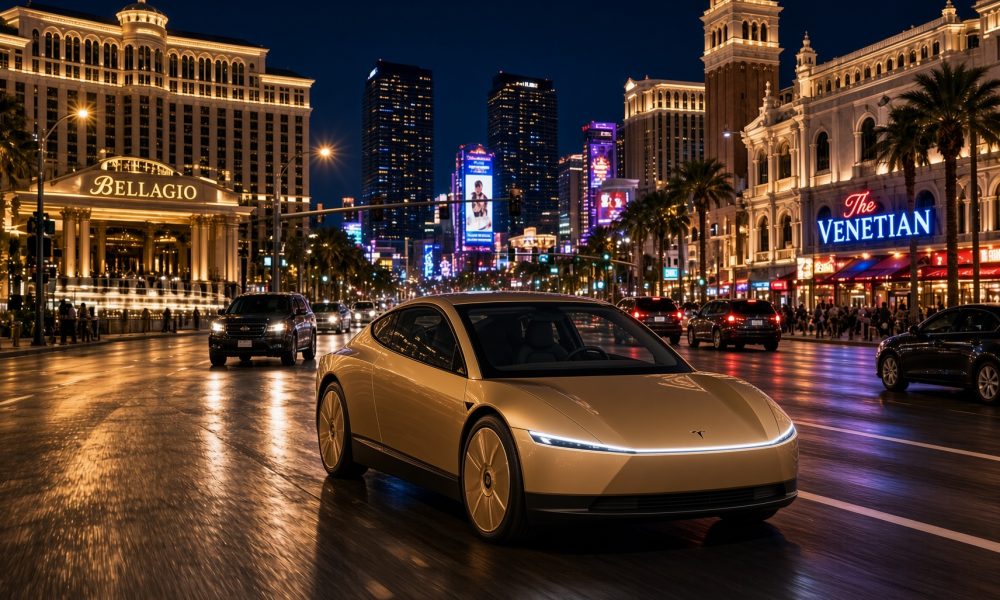


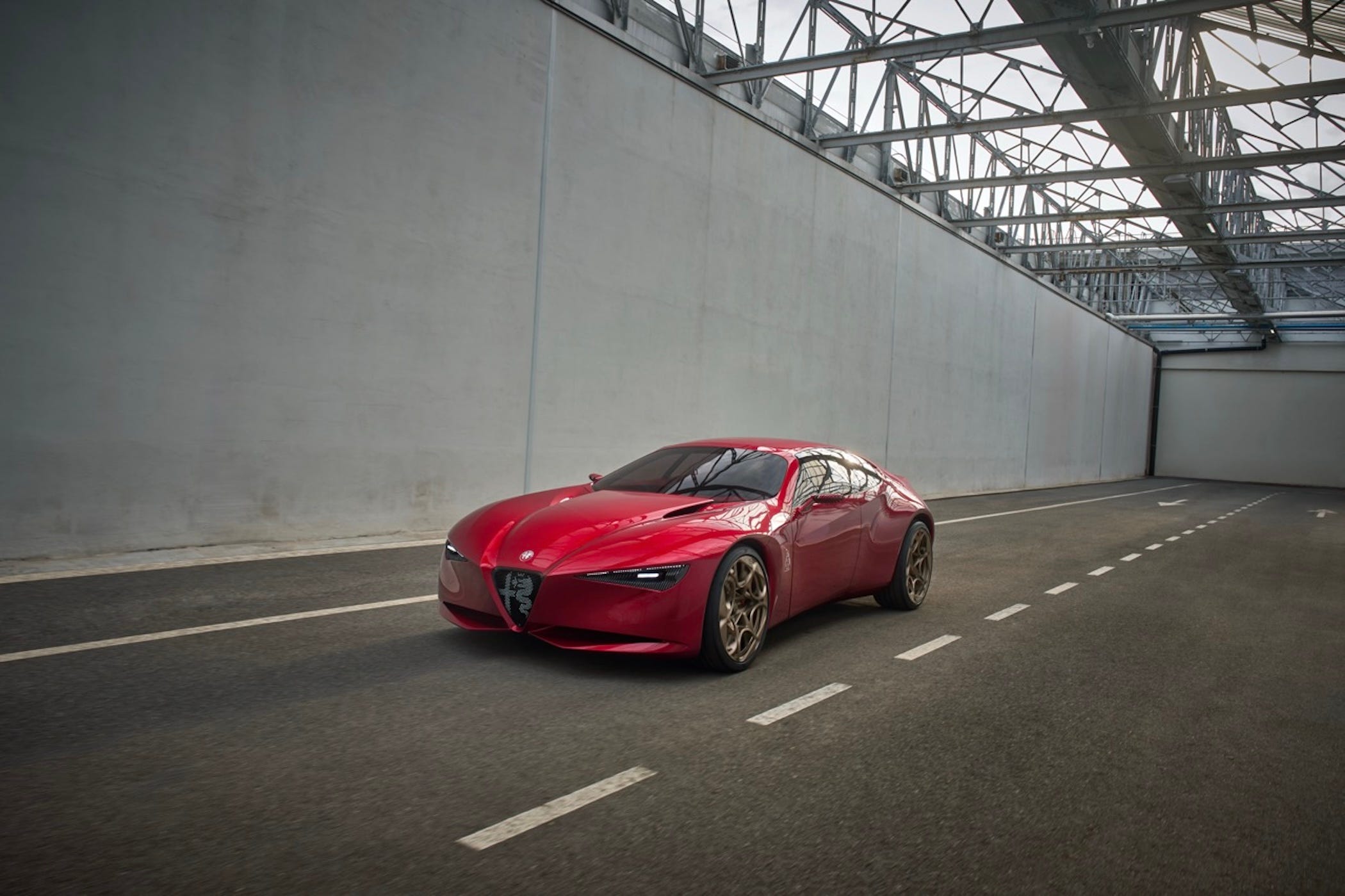
Three hundred Cybercabs are now rolling through Austin. Texas DMV records confirm 319 registered units, up from 169 just weeks ago. Dallas is next.
But the fleet count everybody keeps refreshing may not be the number that matters most.
Tesla has activated Grok @bot across every Cybercab and its Model Y fleet, turning the driverless two-seater into something Uber and Waymo cannot replicate with a software update. Engineer Yun-Ta Tsai confirmed the rollout. Tesla’s pitch is plain: Full Self-Driving handles the road, Grok handles everything else.
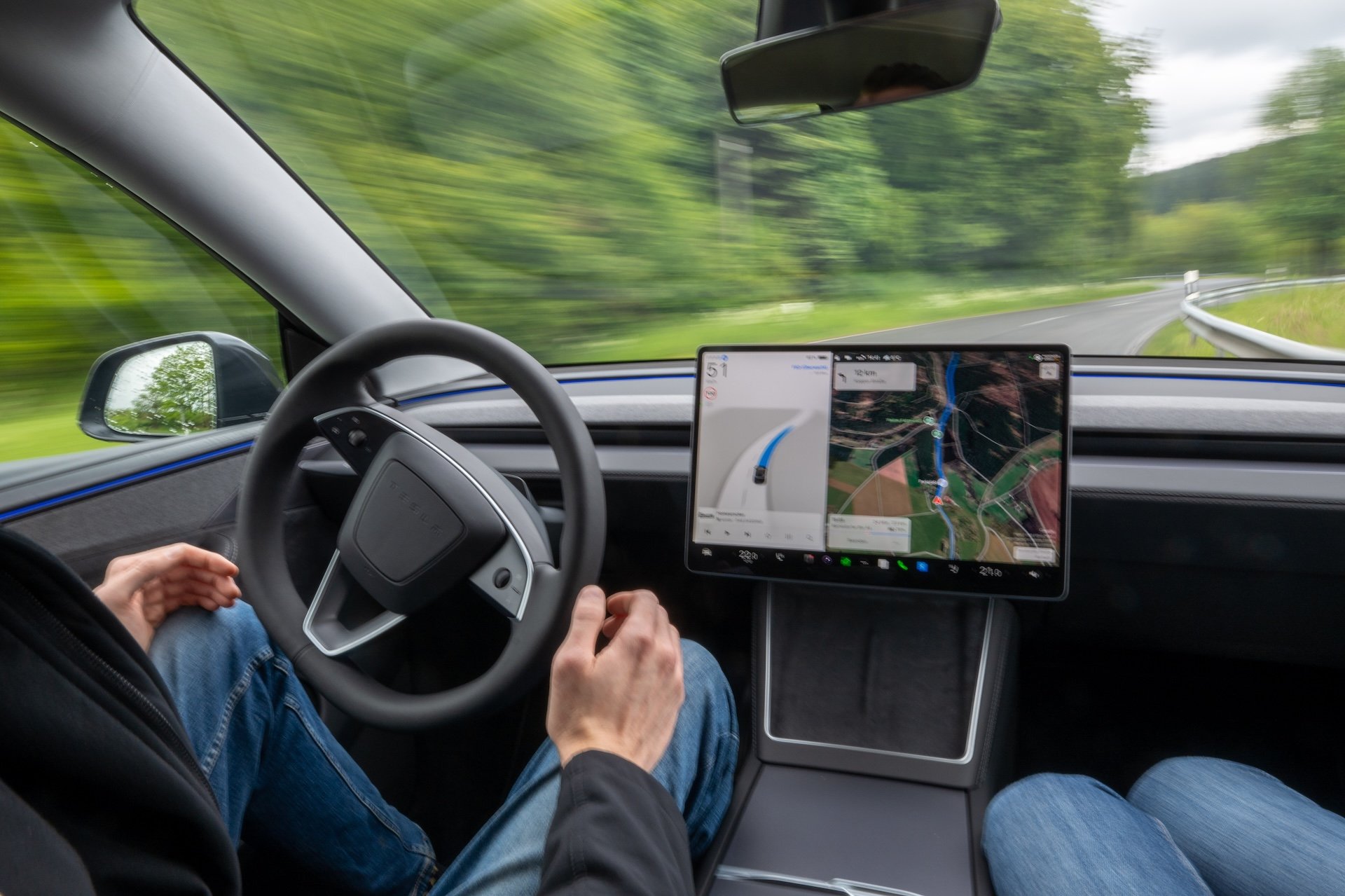
Grok @bot is not Siri with a Tesla skin. It is an agent. A rider signs in once, and from that moment can order dinner, fill a grocery cart, move money, answer email, adjust a calendar, or push a work task forward.
The session follows the rider into any Cybercab and logs out automatically when they step out. No continuity lost, no re-authentication every trip.
Think about a thirty-minute commute. Uber sells you the trip. Waymo sells you the same trip in a quieter cabin.
Tesla is trying to sell you the thirty minutes themselves, packaged with a personal assistant that can actually execute tasks on your behalf. Errands that used to eat a Saturday morning get knocked out between pickup and drop-off.
Anyone can strap a chatbot to a dashboard screen. Owning the vehicle, the autonomy stack, and the AI assistant at the same time is a different proposition. It also quietly binds Tesla’s business to SpaceX’s Super Intelligence arm, following Tesla’s conversion of its xAI stake into SpaceX equity.
Drawing a clean corporate line between those two entities gets harder by the quarter.
The soft side of this expansion showed up on X late Friday. Cybercab rider Dan Burkland posted cabin photos and made one request: let passengers pull up rear and side camera feeds for peace of mind. Tesla UI engineer Evan answered in two words: “In development.
No steering wheel, no mirrors, no driver to glance at. Camera access is the kind of small trust feature that matters when you are putting first-time riders into a vehicle with no human fallback.
And first-time riders are coming fast. Tesla’s own Robotaxi account confirmed the fleet grew eightfold in thirty days. More cities and more cars mean more people whose only reference for autonomous travel is a sci-fi movie.
The hard questions are piling up just as quickly. An agent that can spend your money in a shared vehicle needs guardrails. How does it handle a voice it should not trust?
What gets recorded, who sees it, and for how long? What happens when a rider exits mid-transaction? Tesla has said nothing public about those protocols.
Timing adds pressure. NHTSA’s deadline for Tesla’s sworn answers on Cybercab certification is October 30. Third-quarter earnings drop October 21.
Elon Musk is set to appear virtually at X Takeover at Giga Texas this Saturday, and he tends to say more in unscripted settings than in prepared remarks.
The scoreboard everyone has been watching tracks vehicles and wait times. Tesla is quietly building a different metric: what riders accomplish per trip. That is usage data no competitor can collect, because no competitor controls the car, the driving software, and the AI agent in a single loop.
Whether riders actually trust a faceless assistant enough to hand it their calendar and their credit card inside a car they do not own is the open question no press release can answer.
Share this Story