
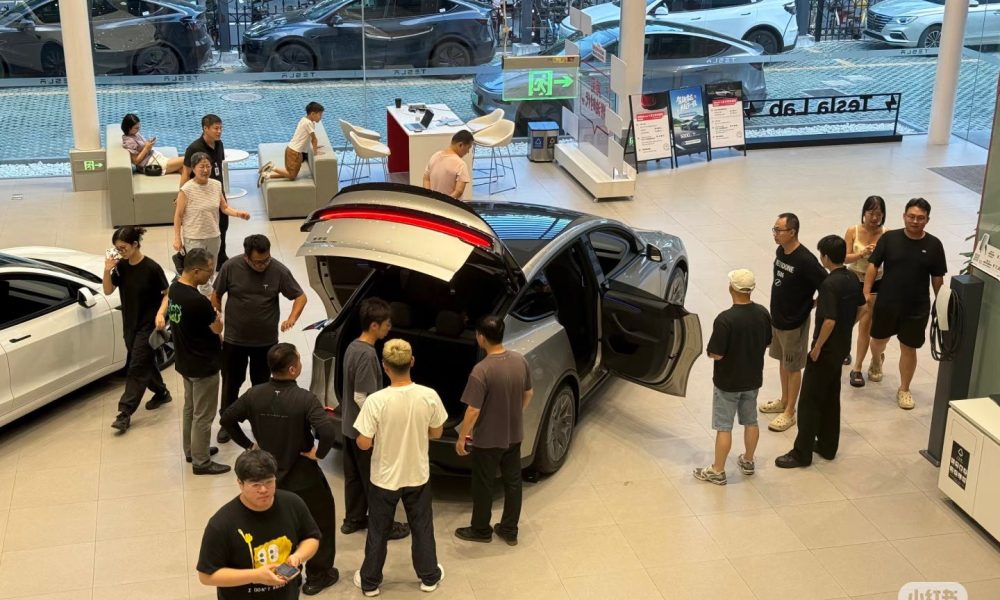


Tesla showrooms across the United States are virtually bare heading into the final days of Q3 2026, with most Model 3 and Model Y trims sold out and delivery windows pushed into late 2026 or early 2027. Only the Model Y RWD and All-Wheel-Drive remain available for delivery before year’s end.
Some locations have been stripped down to a single demo unit on the floor, everything else shipped out to fill customer orders. A report from the Mechanicsburg, Pennsylvania store paints the picture clearly: every vehicle on the third car hauler of the week already had a buyer’s name on it. Nothing was sitting unclaimed.
This matters because Wall Street still can’t figure out how many cars Tesla actually sells in a given quarter. In Q2 2026, the median analyst estimate came in around 408,000 deliveries. Tesla delivered 480,126, beating the consensus by nearly 18 percent.
The forecasting community responded to that embarrassment by widening its range rather than sharpening its models. Goldman Sachs has Tesla pegged at 435,000 deliveries for Q3. JPMorgan says 482,000.
The median sits around 449,000. That spread of nearly 50,000 units between major banks tells you nobody has conviction.
For context, Tesla delivered 497,099 vehicles in Q3 2025. If showroom inventory levels and delivery lot activity are any indication, the company is tracking toward a number that could once again leave the cautious estimates looking foolish.
The 25 percent year-over-year jump Tesla posted in Q2 was driven almost entirely by its two cheapest vehicles. That concentration would normally worry investors about margin pressure, but Tesla has been pulling other levers. The Fremont factory’s old Model S and Model X lines were torn out this summer to make room for Optimus robot production, a signal that legacy low-volume vehicles no longer justify their floor space.
At Giga Texas, a dedicated Optimus factory is taking shape with a targeted 2027 start.
Tesla’s product pipeline has also gotten noisier. Renders of the Optimus Gen 3 robot leaked through the company’s own Android app, showing a design that looks ready for manufacturing rather than trade show demos. The app code already includes consent screens for home deployment and low-battery alerts.
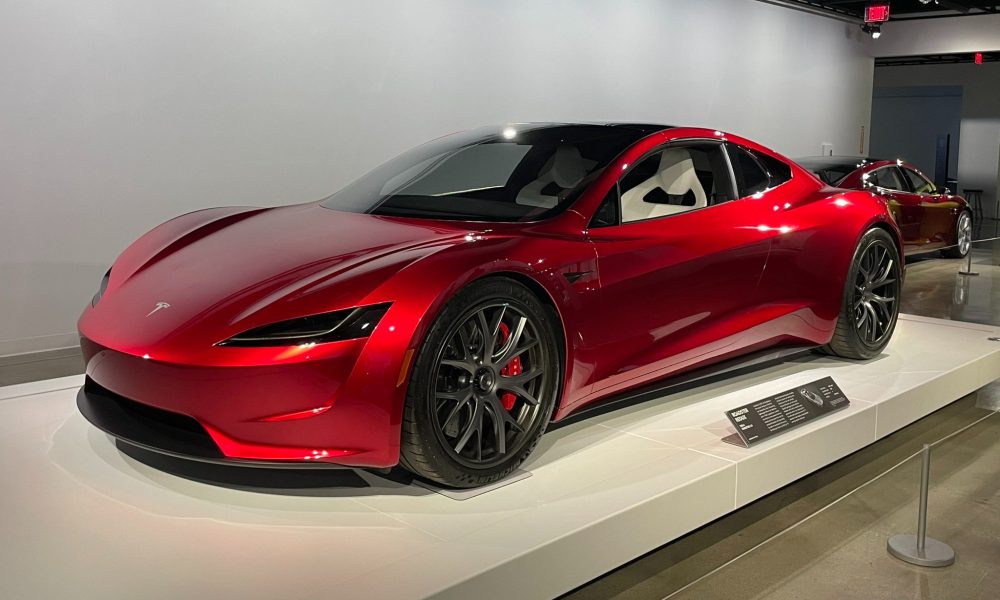
Meanwhile, the Semi program just landed what’s being called the largest electric truck deal in U.S. history, and the long-delayed Roadster event was pushed back again, this time blamed on weather. SpaceX, closely linked to Tesla through Elon Musk, just put Starship into orbit for the first time and deployed 26 next-generation Starlink V3 satellites.
None of that directly moves Model Y inventory off lots. But it feeds the narrative machine that keeps Tesla’s valuation detached from traditional auto metrics. The stock doesn’t trade on cars-per-quarter alone. It trades on the belief that every adjacent bet, robots, trucks, energy, will eventually compound.
The hard number drops in the first few days of October, when Tesla reports Q3 deliveries. Analysts have given themselves enough cushion this time that only a truly dismal figure would let them claim victory. Empty showrooms suggest they’ll need that cushion again.

Share this Story