
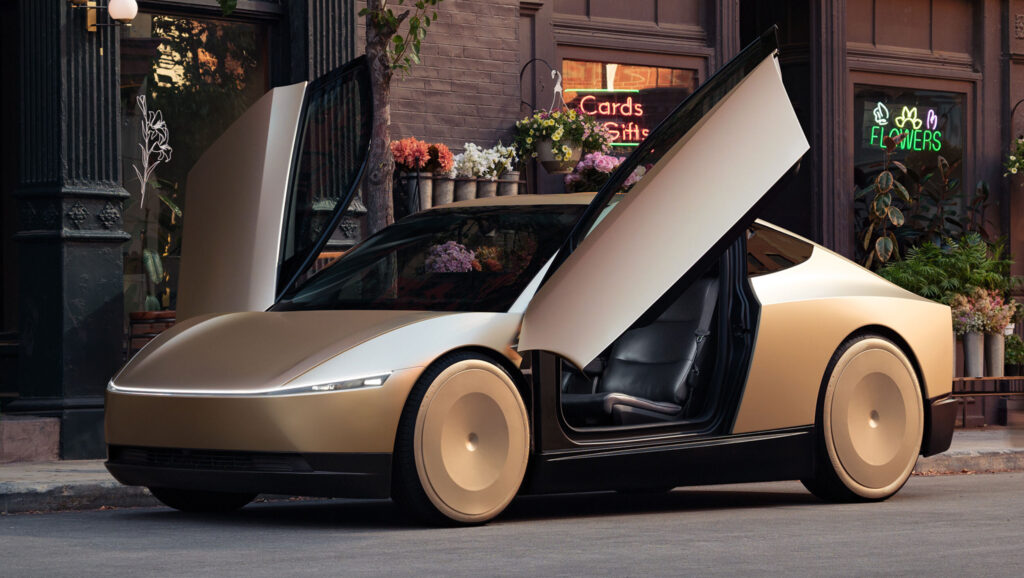


A man in Austin, Texas was filmed leaping from behind a pole into the path of a moving Tesla Cybercab, apparently treating a public street like a personal crash-test lab. The Cybercab stopped. The man did it again. And again.
The clip, circulating on social media, shows three separate attempts to provoke the autonomous vehicle. Each time, the driverless taxi brakes before contact. Each time, the man treats the result like a dare completed rather than a disaster narrowly avoided.
This was not a controlled environment. Other vehicles were on the road. Around the 13-second mark, a blue Jeep gets trapped behind the stopped Cybercab, forced to swing into another lane to get clear. One distracted driver behind that Jeep and the story has a very different ending.
The Cybercab’s sensors did their job. The pedestrian’s brain did not. Playing chicken with a two-ton autonomous vehicle on a live road, with real traffic, is the kind of behavior that invites tragedy and then gets used to justify pulling the technology off public streets entirely.
The people who want robotaxis to fail could not have scripted a better provocation. Tesla deployed a small number of Cybercabs in Austin for commercial service, and the vehicles almost immediately became magnets for exactly this kind of interference. Earlier this month, a Cybercab was filmed getting boxed in by bollards and bulldozing its way out.
That incident was embarrassing for Tesla. This one is embarrassing for everyone involved, but mostly for the guy treating a 4,000-pound machine like a carnival game.
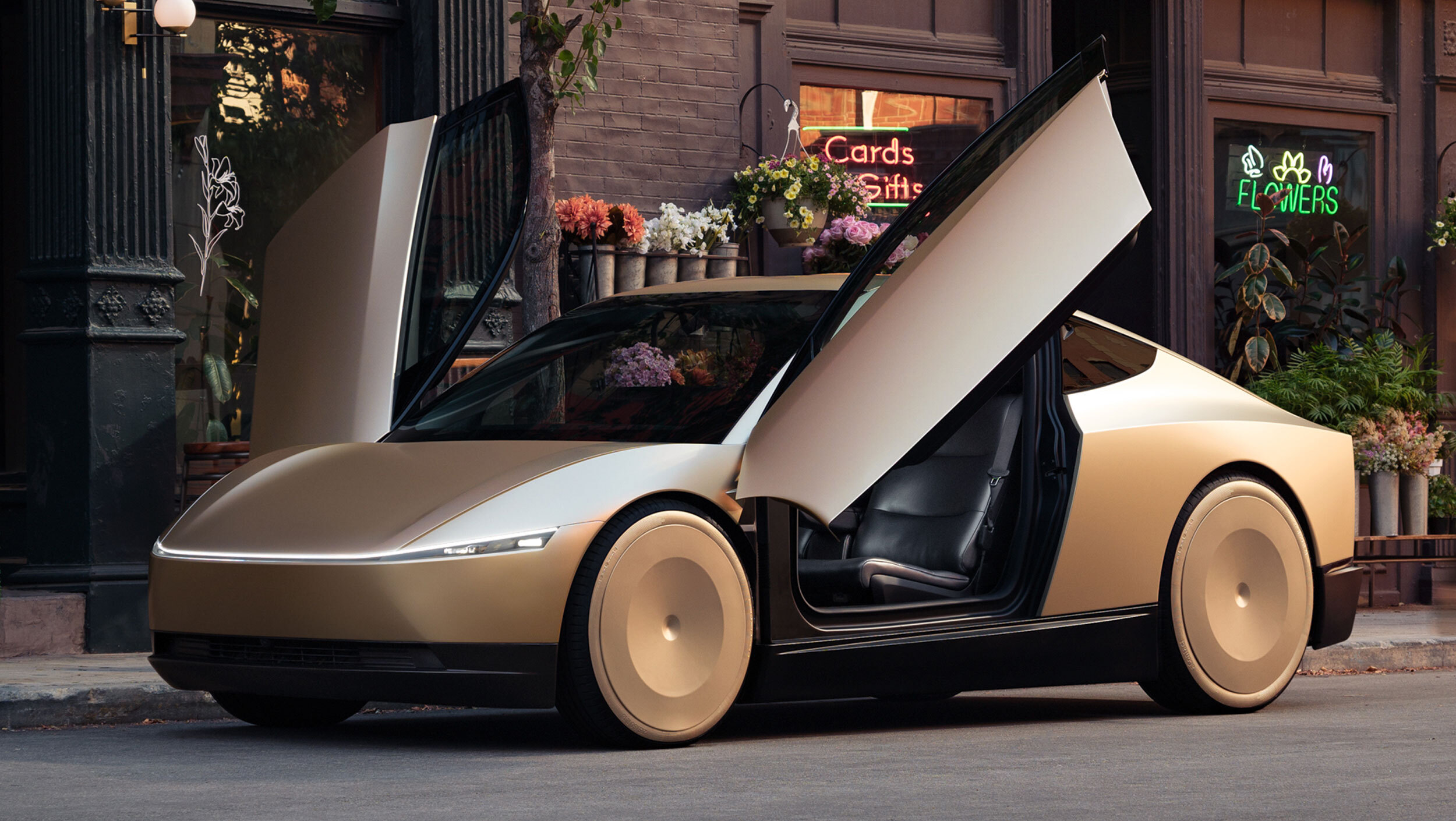
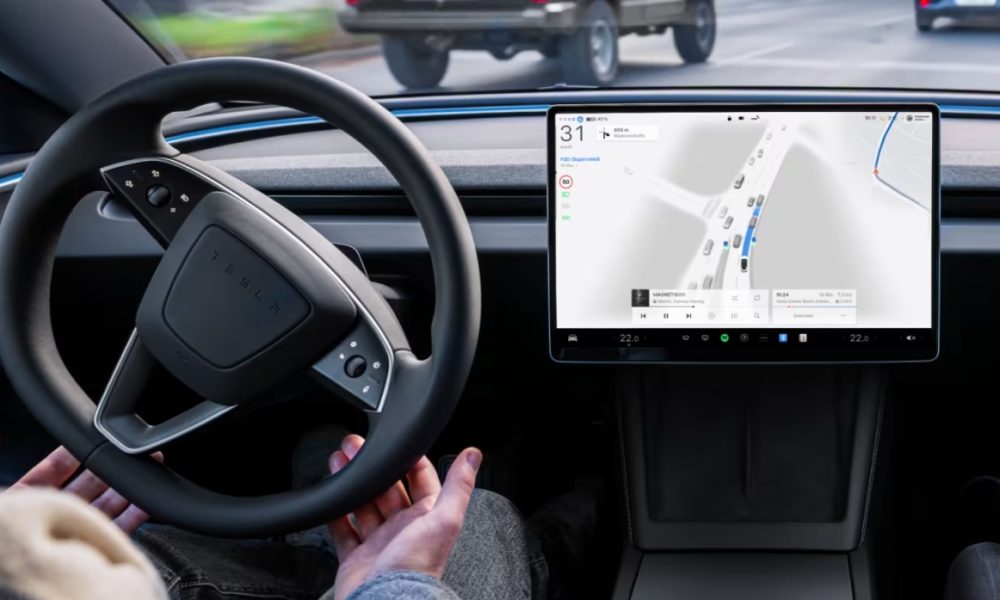
The timing is particularly sensitive. The National Highway Traffic Safety Administration opened a formal investigation into the Cybercab just weeks ago. The probe centers on Tesla’s decision to self-certify the vehicle as compliant with Federal Motor Vehicle Safety Standards despite it having no brake pedal, no gas pedal, no steering wheel, and no mirrors.
NHTSA wants to know how Tesla determined that certain safety standards simply don’t apply to the Cybercab. That is not a trivial question. It strikes at the legal foundation of how autonomous vehicles are allowed on American roads.
Tesla certified the Cybercab under the same framework any automaker uses for a conventional car, then argued that rules written for human-operated vehicles are irrelevant to a machine with no human controls. NHTSA has not said Tesla is wrong. But the agency clearly wants to see the receipts.
Against that regulatory backdrop, viral videos of pedestrians jumping in front of Cybercabs do two things simultaneously. They demonstrate that the vehicle’s detection and braking systems work under provocation. And they hand regulators fresh evidence that the public interaction with these vehicles is chaotic, unpredictable, and potentially dangerous in ways nobody fully mapped out before deployment.
Austin is now the live testing ground for a technology that half the country finds thrilling and the other half finds terrifying. The Cybercab is performing in a fishbowl. Every incident, whether caused by the vehicle or by the humans around it, feeds directly into an open federal investigation.
Tesla has not commented on the video. The man in the clip has not been publicly identified. NHTSA’s investigation remains in its early stages, with no timeline for conclusions.
The Cybercabs are still on the road in Austin, still stopping for pedestrians, still drawing crowds who want to see what happens next.
Share this Story