


For years, a silver 1999 Ford Mustang GT sat hidden in forgotten corners of Ford’s sprawling facilities, moved from stash spot to stash spot by engineers determined to keep it alive. The people hunting it weren’t thieves. They were Ford’s own accountants.
The car in question is a one-of-one V-10 Mustang, built in secret by Ford’s Powertrain Research and Advanced Engines team in the early 2000s. Nobody in management asked for it. Nobody approved it. A small crew of engineers simply did it, the way Lamborghini’s team once built the Miura prototype behind Ferruccio’s back.
The donor was a silver SN95 coupe that had served as a fitment mule for the naturally aspirated 5.4-liter V-8 destined for the Cobra R. The engine they dropped in displaced 5.8 liters and had ten cylinders, but it shared nothing with the Triton V-10 from Ford’s truck line.
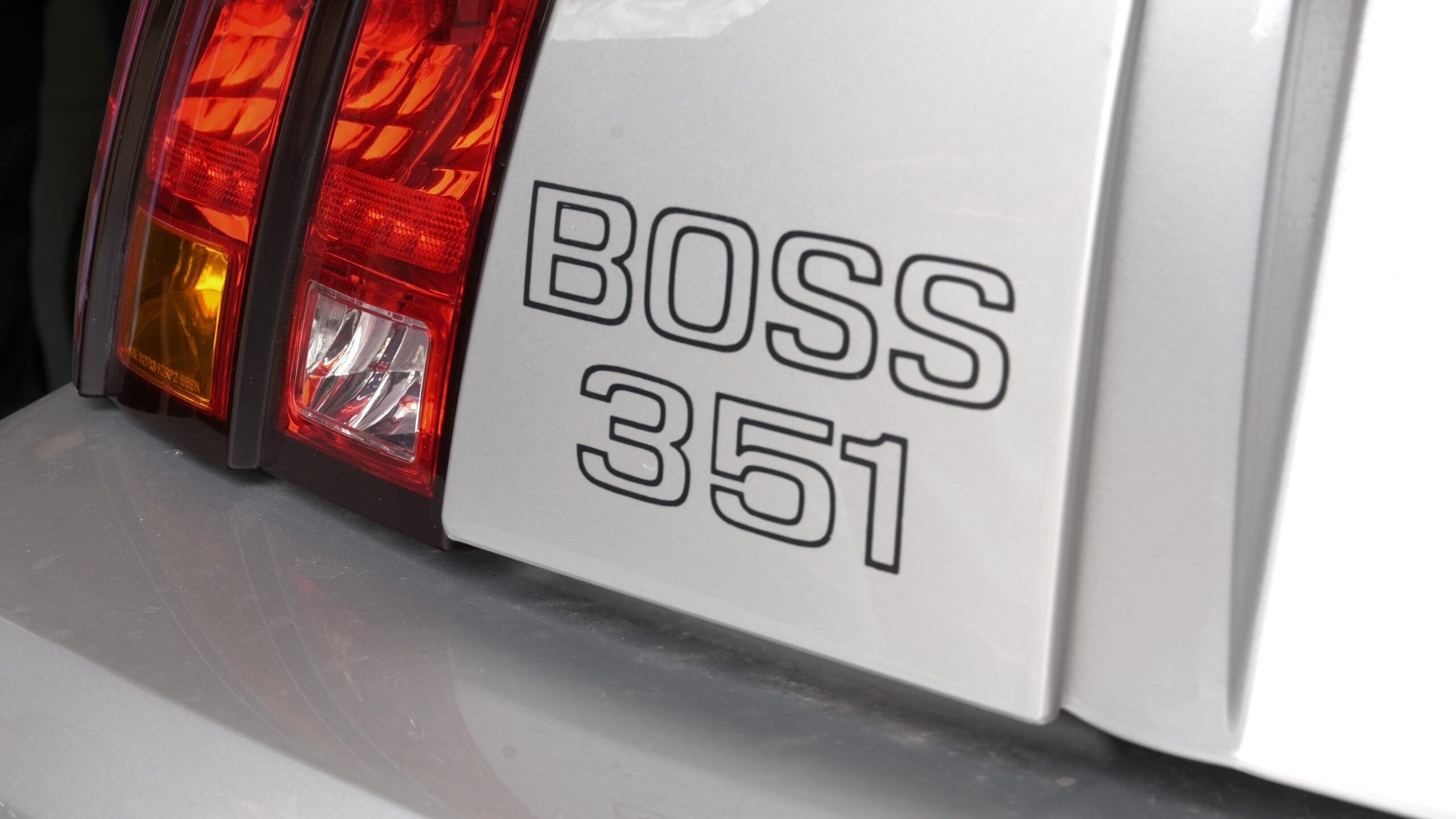
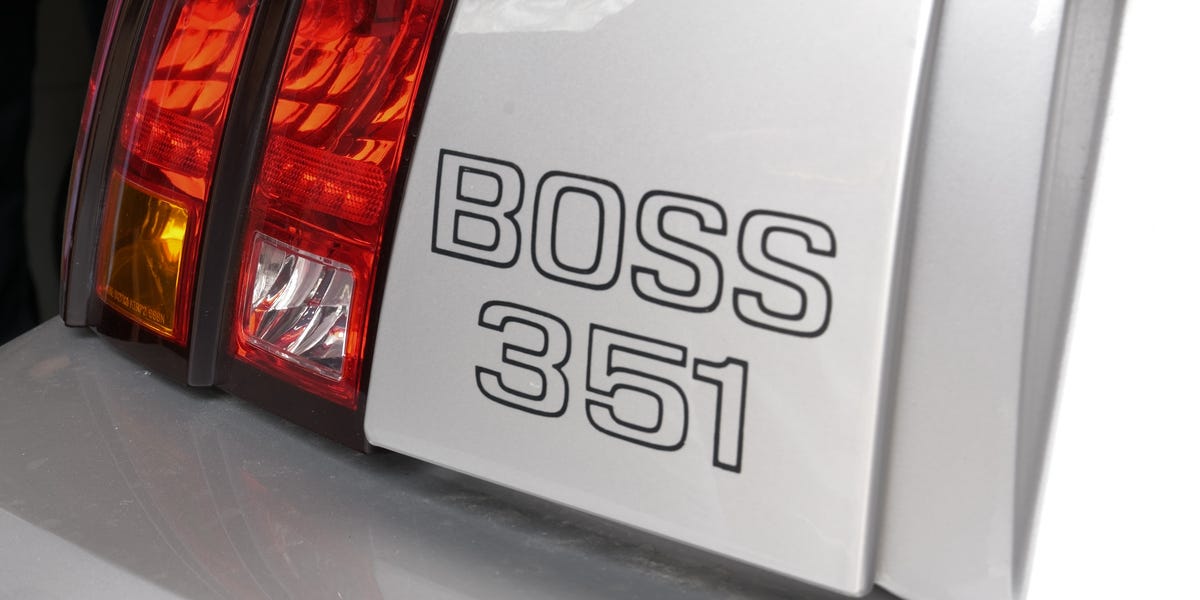
Instead, the team literally cut apart sand-casting molds for a 4.6-liter DOHC V-8, re-formed them in a 10-cylinder configuration, and poured molten aluminum. The result was an all-aluminum V-10 that weighed roughly 60 pounds less than the Cobra’s production V-8. It borrowed Cobra connecting rods and pistons but ran a custom billet crankshaft, and the team nicknamed it the Boss 351 after its 351-cubic-inch displacement.
Back in 2004, the engine made about 426 horsepower at 6,500 rpm, enough to push the car into the high-11-second range at the dragstrip. That was a serious number for the era, delivered by a car that looked like absolutely nothing special on the outside. Five-spoke alloy wheels, silver paint, zero visual drama.
The problem wasn’t performance. It was paperwork. As the prototype aged, it became the oldest one still on the company’s books. Ford’s Vehicle Controls team, apparently doing the bidding of the bean counters, wanted it gone, crushed, cubed, and off the ledger.
What followed was a cat-and-mouse game that lasted years. Engineers who loved the car kept relocating it, staying one step ahead of the internal order to destroy it. This wasn’t some garage project someone could toss in a trailer.
Eventually, the Boss 351 found its way into the orbit of Ford’s Heritage Fleet, the division tasked with preserving the company’s historically relevant vehicles. Once under that umbrella, the car was finally safe.
The Heritage Fleet team recently collaborated with members of the original build crew to restore the V-10 Mustang to running condition. It needed new electronics and a thorough mechanical overhaul. Then they strapped it to a dynamometer.
The numbers came back higher than anyone expected. More than 510 horsepower at the wheels, a figure that eclipses what it made two decades ago. The soundtrack, by all accounts, splits the difference between a bar fight and a Lexus LFA.
Ford never built a production V-10 Mustang. Four cylinders, six, eight, sure, but ten? The SN95 platform could barely contain the 320 horsepower of a stock 1999 GT, and this car carried nearly double that in a body designed to blend into mall parking lots.
The fact that it exists at all is a minor miracle of corporate defiance. That it still runs, and runs harder than it did when new, says something about the people who built it and the ones who kept moving it before anyone with a clipboard could catch up.


Share this Story