
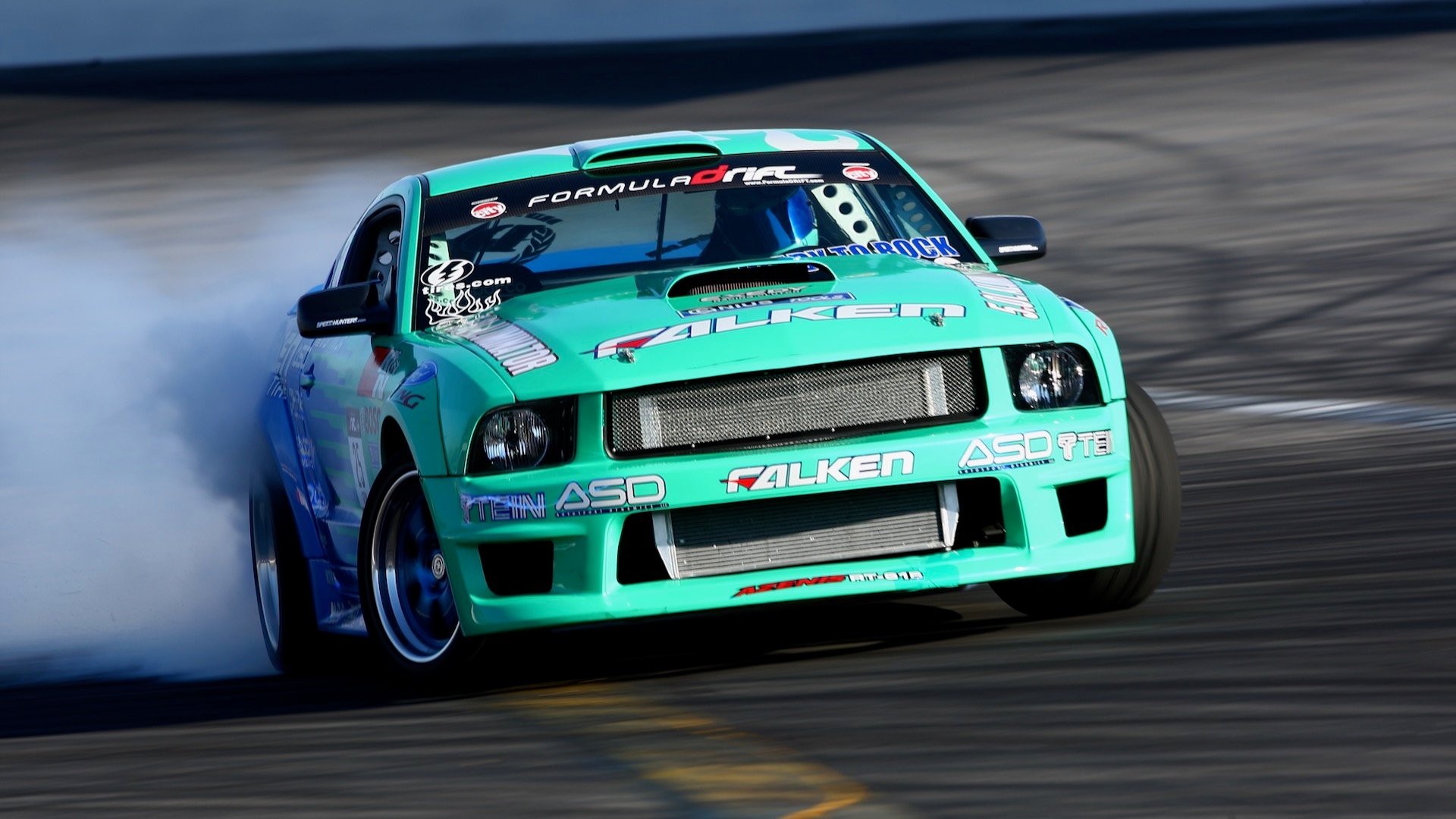


Vaughn Gittin Jr. won his first D1 Grand Prix event in 2005, becoming the first American to do so when drifting was still a fringe curiosity in the States. Two decades later, his RTR brand sells factory-backed Mustangs and Broncos through Ford dealerships. That arc, from grassroots smoke shows to corporate partnership, is now the subject of a 256-page book called Ready To Rock.
Co-written by Gittin Jr. and automotive journalist Mike Spinelli, the book traces RTR from its 2009 founding through its current status as a legitimate tier in Ford’s retail ecosystem. It’s published by Carrara Media, which has carved out a niche producing books about contemporary car culture rather than the usual retrospectives on dead marques and barn finds.
The name RTR stands for “ready to rock,” which sounds like something scrawled on a high schooler’s Trapper Keeper. But the operation behind it has been anything but juvenile.
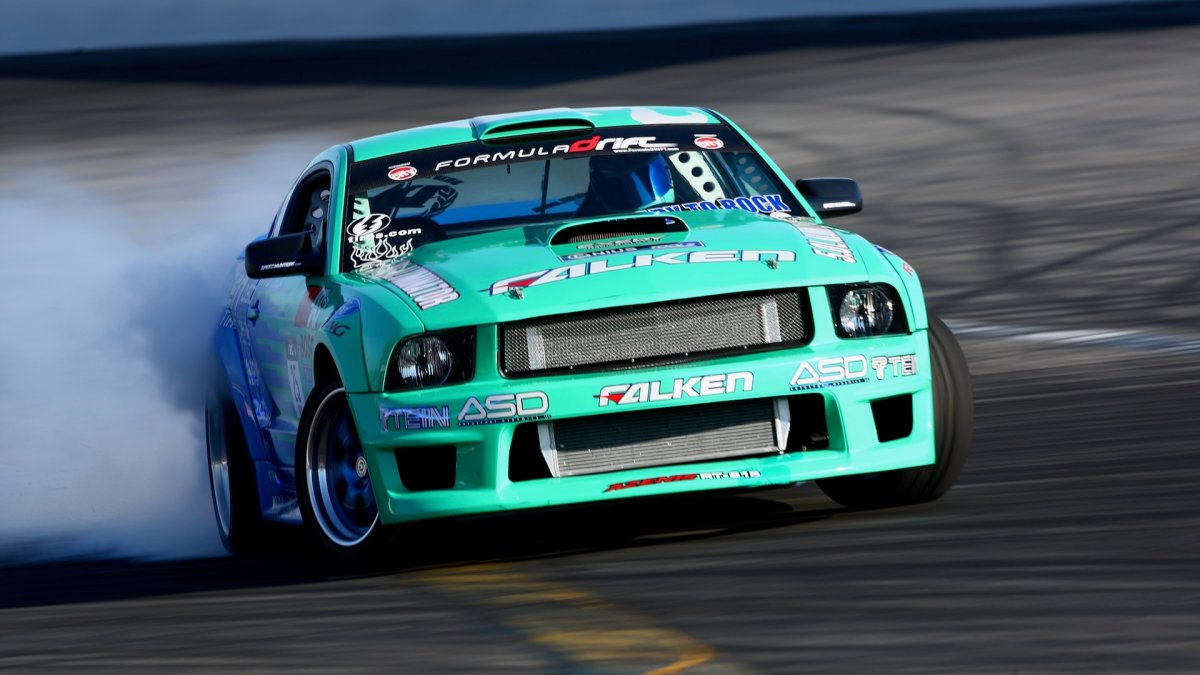
Gittin Jr. earned Formula Drift championships in 2010 and 2020, bookending a decade of consistent presence in the series. He still races a Mustang in Formula Drift and occasionally shows up at off-road events. RTR expanded beyond competition into aftermarket parts development, then into complete vehicle builds.
The résumé includes Ken Block’s “Hoonicorn” Mustang and the seven-motor Mustang Mach-E 1400, a 1,400-horsepower electric prototype Ford used as a technology showcase.
The client list runs from Ford’s engineering team to rapper T-Pain, who wrote the book’s foreword. That range tells you something about where RTR sits in the culture. It’s not purely a motorsport outfit, not purely a tuner shop, and not purely a lifestyle brand.
It’s all three, which is exactly the formula Ford decided to buy into when it started offering RTR-branded vehicles at its dealerships.
That dealership arrangement is the real story buried in the book’s timeline. Taking an aftermarket brand and running it through a legacy automaker’s retail network means navigating franchise laws, dealer relations, warranty structures, and quality standards that have tripped up far more established companies. It is a completely different game from bolting on a supercharger in your own shop and handing someone the keys.
Photography comes from Larry Chen, Matt Marcu, and Tony Harmer, three names that collectively have shot more drift and motorsport content than most wire services. Chen alone has become the de facto visual historian of Formula Drift and the broader modified car scene.
Ready To Rock ships November 2 and is available for pre-order in two editions. The Standard runs $54.99. The Limited Edition, signed by Gittin Jr. and capped at 1,000 copies, goes for $124.99.
Fifty-five dollars for a car book in 2025 is about par. Whether the story inside justifies it depends on how deeply Gittin Jr. and Spinelli are willing to go beyond the highlight reel. The best automotive books don’t just catalog wins and cool builds.
They expose the deals that almost fell apart, the checks that almost bounced, the partnerships that almost didn’t happen. RTR’s trajectory from a drifter’s side project to a brand name on a Ford window sticker is genuinely unusual. The question is whether the book reads like a history or a brochure.

Share this Story