


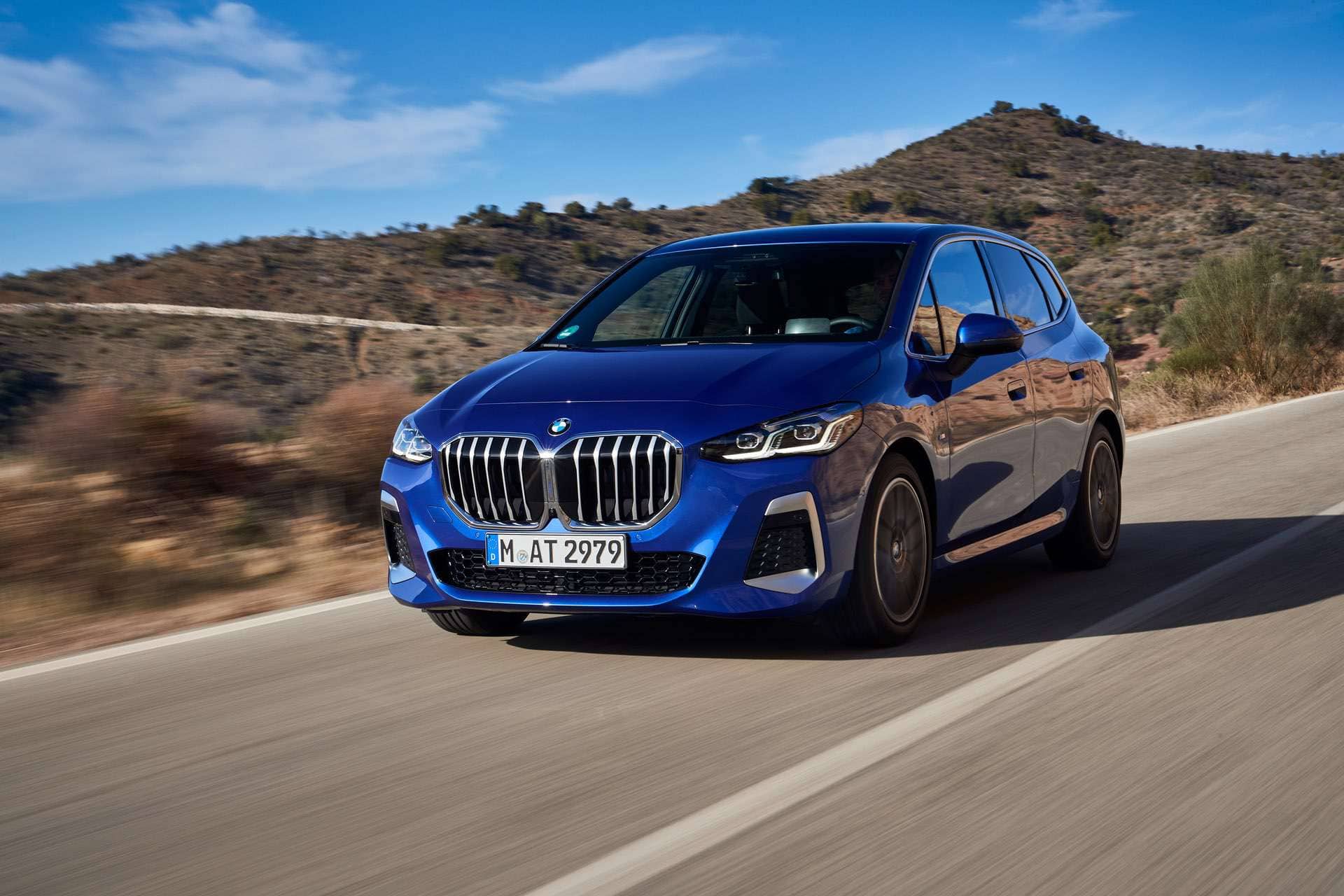
The 2 Series Active Tourer is officially dead. BMW confirmed it last week, but that’s just the opening act. Munich is culling its lineup with the cold efficiency of a company that spent €650 million converting its oldest factory to build only electric vehicles and now needs the math to work.
The Active Tourer, BMW’s first front-wheel-drive car when it launched in 2014, will not see a third generation. Insiders peg its retirement at 2029. It wasn’t profitable enough to keep breathing.
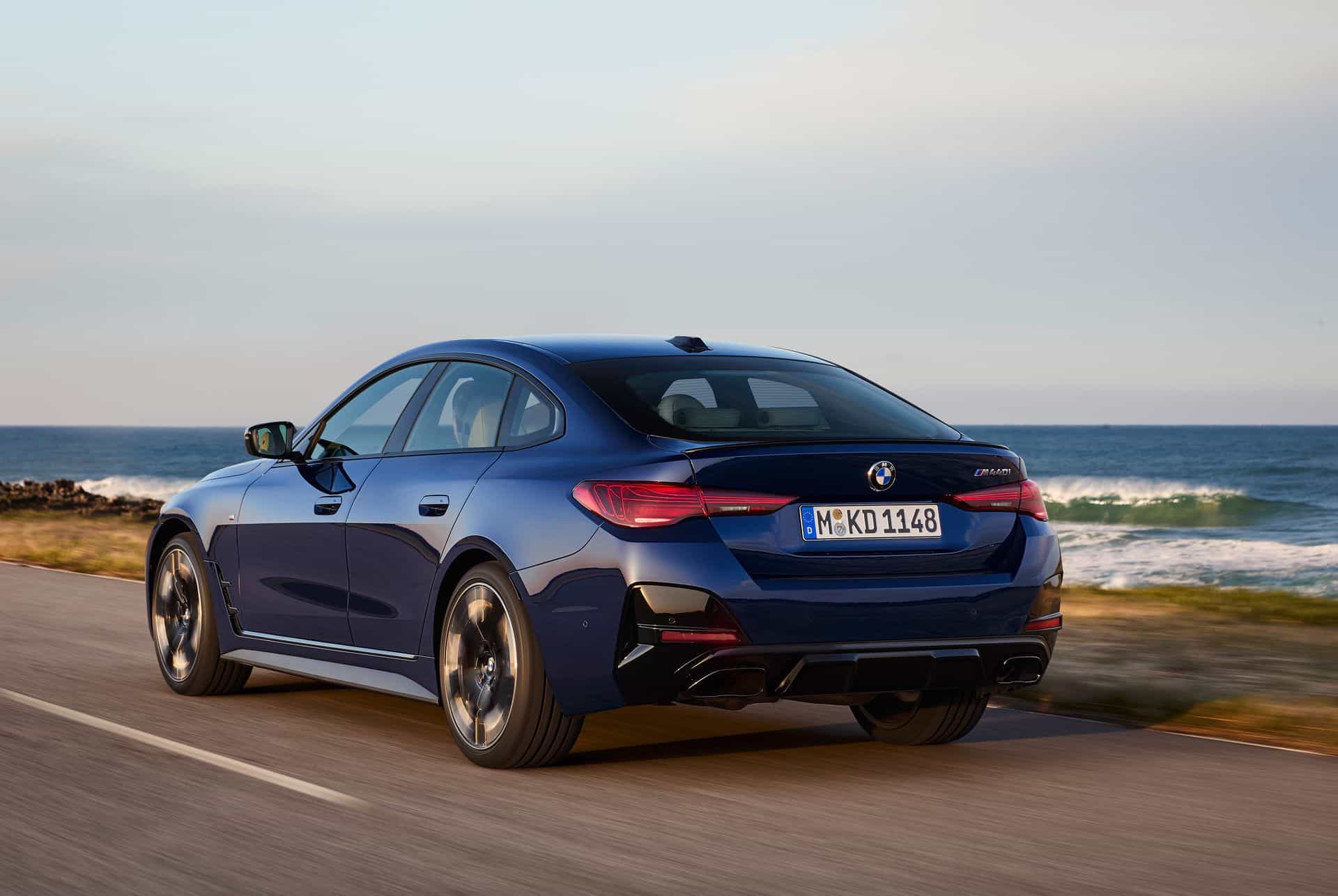
But this is where the story gets interesting. The 4 Series Gran Coupe and i4, both built at the Munich plant, are staring down the barrel of a 2026 exit. The Munich factory goes EV-only from 2027 onward.
The gas-powered 4 Series Gran Coupe has nowhere to go. BMW could relocate production to Dingolfing, where the Coupe and Convertible are made, but that’s an expensive lifeline for a model that never quite justified its existence between the 3 Series and 5 Series.
The i4 faces a different kind of death. The Neue Klasse i3 has arrived as the electric 3 Series, and BMW officials have already called it the de facto replacement. Both the ICE and EV versions of the G26 are expected to bow out early next year.
The iX is another walking dead model. Launched in 2021 as BMW’s electric flagship SUV, it’s now sandwiched between the iX5 and a forthcoming iX7 due in 2027. Both carry Neue Klasse architecture and styling, and the iX carries neither.
BMW has already ended U.S. allocations. Production runs through 2027, and whatever’s left on dealer lots might trickle into early 2028. That’s not a future. That’s hospice care.
Then there’s the XM, which might be the strangest case of all. Its problem isn’t obsolescence. Its problem is that it never found an audience.
Sales have been soft. The design polarized buyers who expected something more refined from a six-figure BMW. Munich hasn’t ruled out a second generation, and there’s internal discussion about fixing the packaging, comfort, and styling.
But if the next X5 M or X7 M60 can fill the flagship performance SUV role, the XM becomes an expensive experiment that ran one cycle and stopped. Add the X4, Z4, and 8 Series, all of which have already been killed, and the pruning shears have been busy.
BMW isn’t simply shrinking, though. It’s reshaping. An iX4 reveal is imminent, an i3 Touring could arrive by 2027, and a rear-wheel-drive i1 hatchback is confirmed for Europe in 2028 as the brand’s new entry-level EV.
At the top of the range, BMW is evaluating a luxury SUV positioned above the X7 for the American market. An i4 Convertible prototype has been spotted testing, which almost certainly means a two-door i4 Coupe is coming too.
BMW wants to spread Neue Klasse development costs across as many body styles as possible. An electric 2 Series Gran Coupe sedan built on the i1 platform is also on the table, potentially arriving around 2029 with a better shot at U.S. sales than the hatchback.
The pattern is clear. Munich is killing models that sit between established nameplates or that failed to generate returns. Every survivor has to carry its own weight, and every new addition has to share platforms and factories with enough siblings to justify its tooling.
BMW says roughly eight new models are in the pipeline. The company that once stretched its lineup to 15-plus nameplates is betting that fewer, smarter bets will generate more profit than a bloated portfolio ever did. Whether the cuts go deep enough, or whether the new arrivals land with buyers who increasingly have options from Porsche, Mercedes, and a dozen Chinese brands, is the question Munich hasn’t answered yet.
Share this Story