
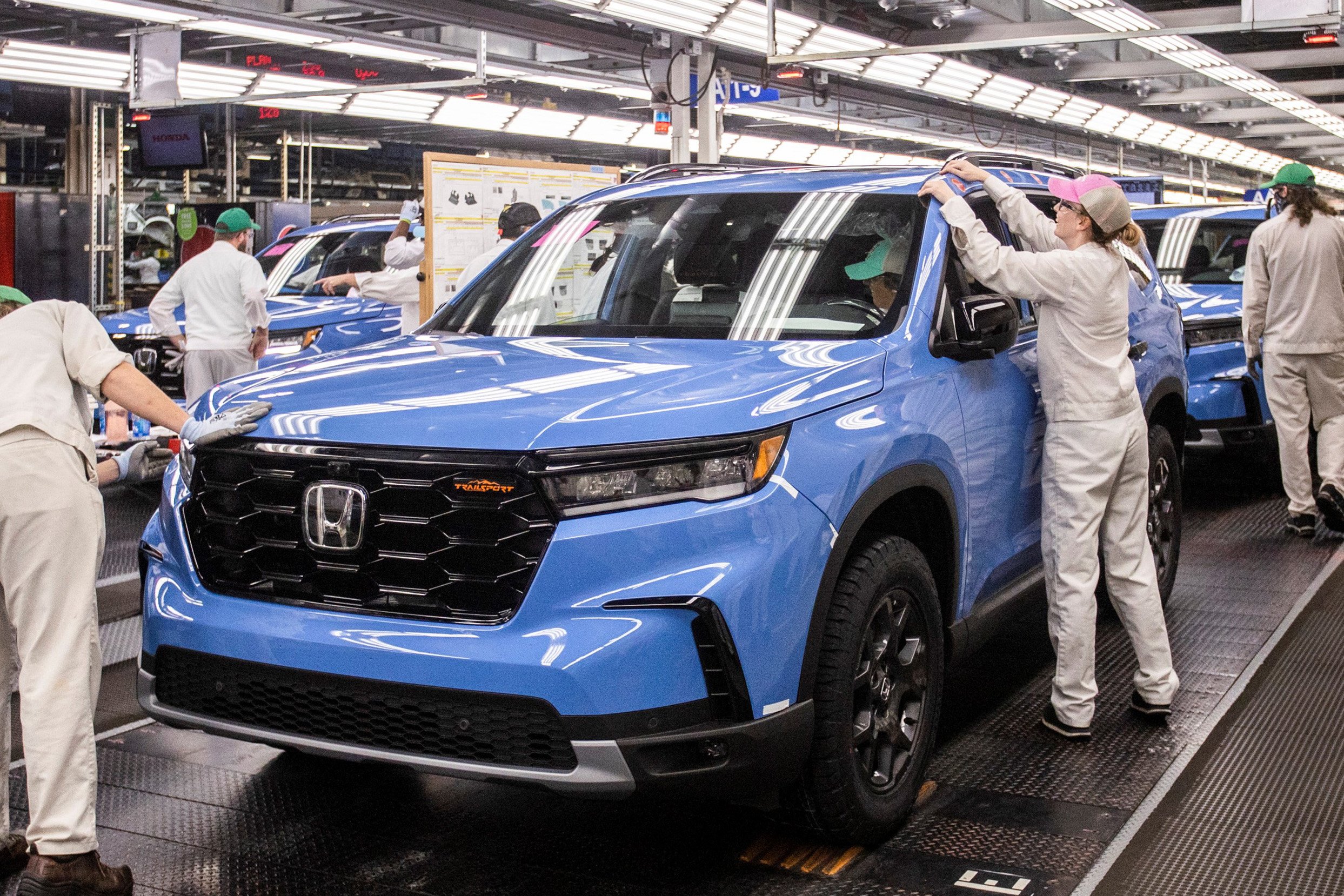


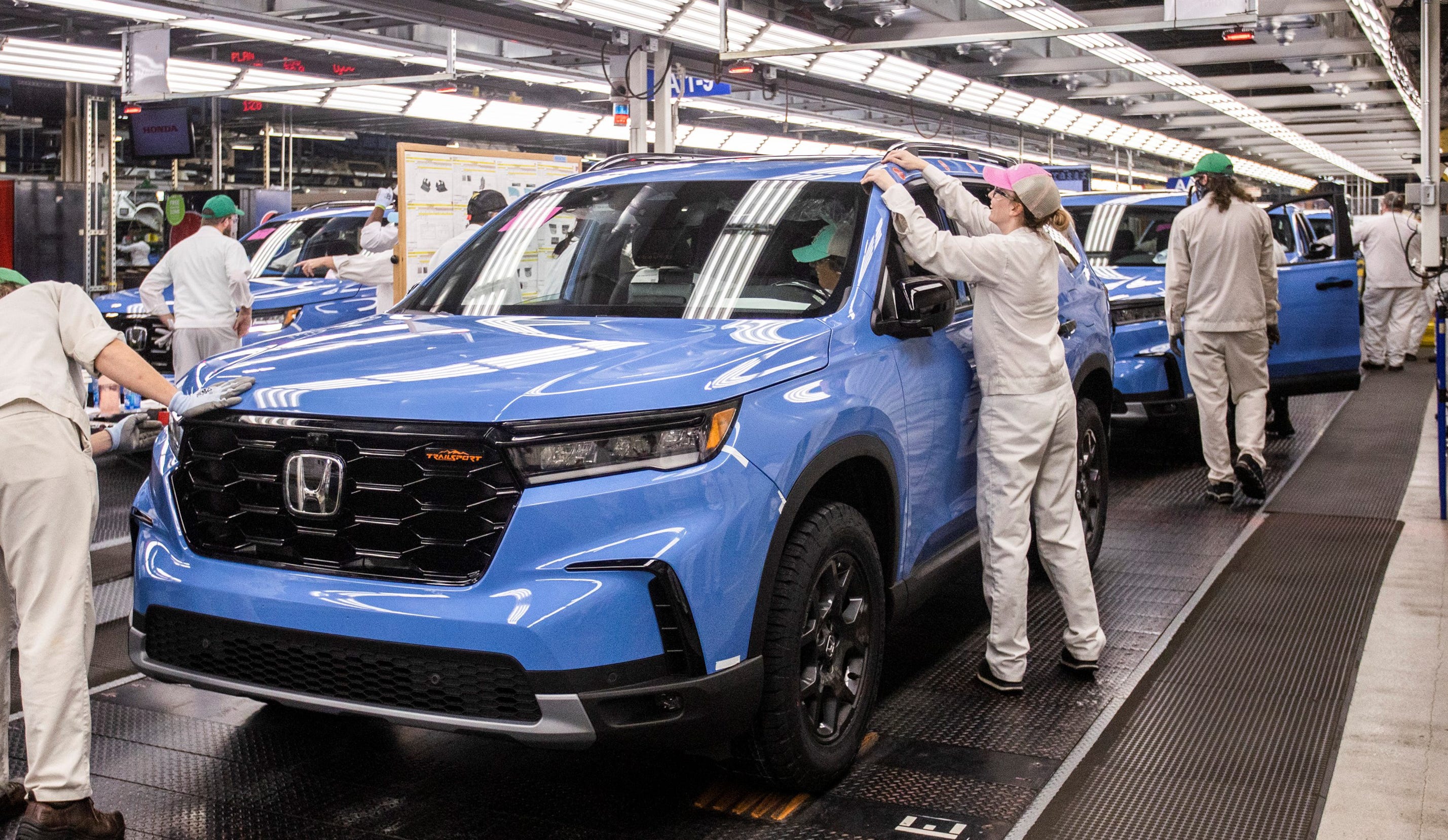
Honda is reportedly in the final stages of negotiating a new $2.5 billion hybrid vehicle production plant in central Ohio, a facility that would house the next-generation Acura MDX and two flagship crossovers. If the deal closes, it would mark Honda’s first new North American factory in roughly two decades and its fifth on U.S. soil.
Multiple sources pointed to the plan, first reported by Automotive News and Nikkei Asia. One of the two unnamed crossovers could be the supersized Pilot variant that surfaced in earlier reports this week. Honda’s spokesperson pushed back, calling any claims about a new factory or new products “speculation.”
That denial is boilerplate. Automakers almost never confirm plant negotiations before the ink dries, especially when state and local incentive packages are still being hammered out. Ohio already hosts four Honda plants, making the state a natural hub for expansion. Labor networks, supplier chains, and institutional knowledge are already baked in.
The timing tells its own story. Honda has been steadily pivoting its North American production strategy toward hybrids, a hedge against the uncertain pace of full electrification. Building a dedicated hybrid plant rather than converting an existing EV line signals where Honda sees actual consumer demand heading into the late 2020s.
It also comes as rivals are bleeding volume. Ford and GM have seen U.S. sales drop nearly 9% and just over 6%, respectively, through 2026 so far. Volkswagen is pulling the ID.4 electric SUV from the American market entirely, slashing prices by up to $12,500 on remaining 2025 models just to clear inventory. VW’s Tennessee plant will pivot back toward gas-powered SUVs, a quiet admission about where the market actually stands.
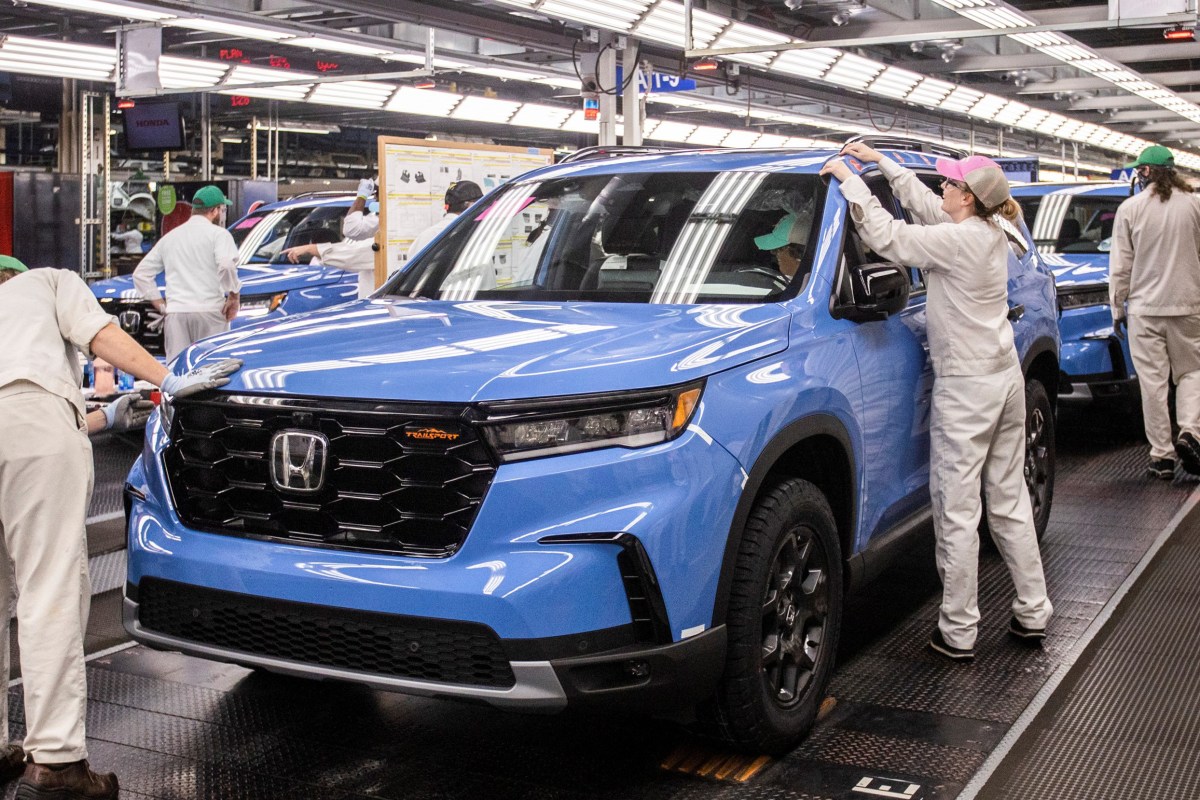
Honda planting a $2.5 billion flag in hybrid SUV territory looks less like a gamble and more like reading the room. The company has watched competitors overcommit to battery electric vehicles, burn through capital, and then scramble to recalibrate. A new plant purpose-built for hybrids avoids the messy, expensive retooling that haunts factories caught between powertrains.
Central Ohio offers another advantage. The region sits within easy reach of battery and powertrain component suppliers that have clustered across the Midwest in recent years, partly driven by federal incentive dollars from the Inflation Reduction Act. Honda can tap that ecosystem without building from scratch.
The flagship SUV focus is deliberate too. The MDX remains Acura’s volume anchor, and a larger Pilot variant would slot Honda into the full-size three-row segment where profit margins run thick. Detroit has owned that space for years. Honda wants a piece of it, and hybrids give the company a fuel-economy story that traditional body-on-frame trucks can’t match.
Whether this plant actually materializes depends on final negotiations, likely involving tax incentives, infrastructure commitments, and workforce guarantees. Ohio Governor Mike DeWine’s office has not commented. Honda’s denial remains on the record.
But a $2.5 billion commitment to hybrid SUVs, at a moment when the industry is sobering up from its EV euphoria, would be one of the clearest bets any automaker has placed on where the American market is actually going.

Share this Story