
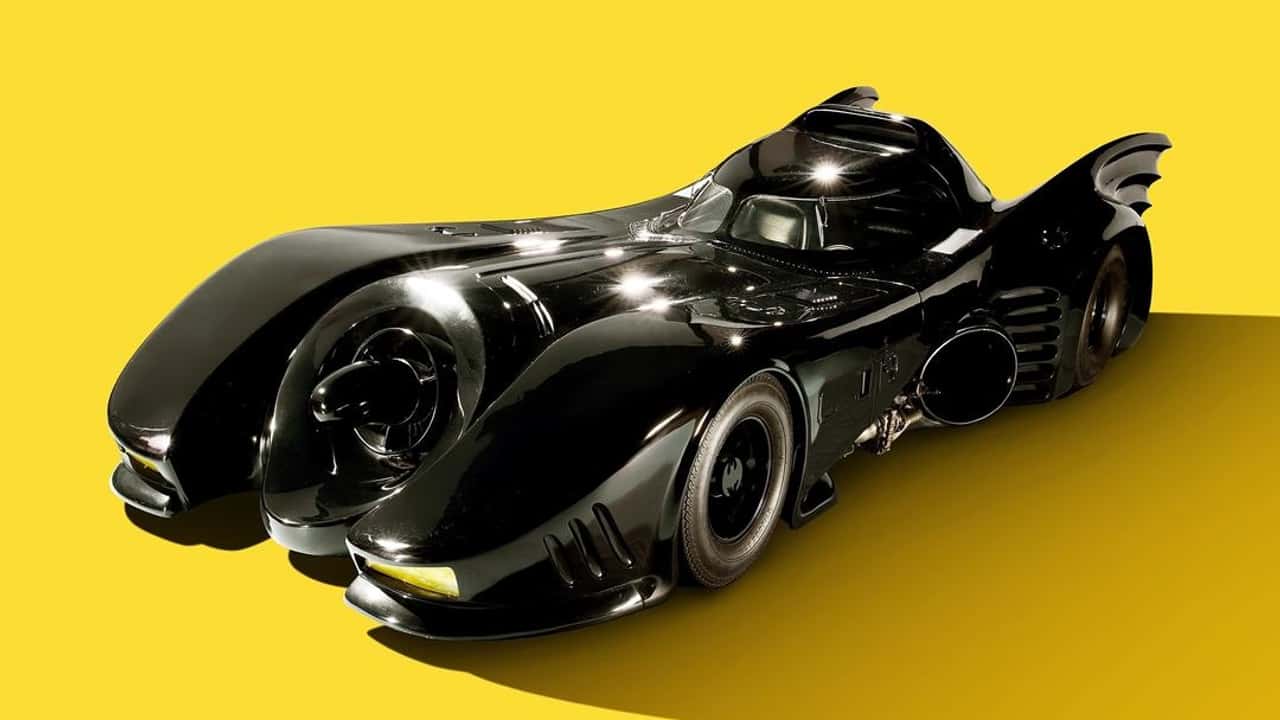


Two Chevy Impala chassis welded together, wrapped in 19 feet and 8 inches of fiberglass, and painted in glossy black. That is the skeleton of the Hero Batmobile from Tim Burton’s 1992 Batman Returns, and on November 23, someone will own it.
Julien’s Auctions and Turner Classic Movies will offer the screen-used car in Los Angeles and online, with an estimate between $5 million and $7 million. If it hits the high end, it will become the most expensive movie car ever sold at auction.
The current record belongs to the 1960s television series Batmobile, which brought $4.2 million. Before that, Steve McQueen’s 1968 Ford Mustang GT from Bullitt fetched $3.74 million, and James Bond’s 1965 Aston Martin DB5 sold for $2.4 million. The Burton Batmobile would leapfrog all of them.
What Julien’s is selling here is not a replica or a backup. The auction house says this car has been screen-matched to most of the film’s driving sequences. It is the one Michael Keaton sat in, the one the cameras followed through Burton’s rain-slicked Gotham.
Underneath the Art Deco bodywork, a Chevy V8 and three-speed automatic transmission sit beneath the one-piece front end. The turbine-inspired nose intake and oversized rear fins were never designed for aerodynamics. They were designed to look menacing on a 35mm frame. They succeeded.
After filming wrapped, the car appeared at the movie’s premiere and wrap party. Then it disappeared into storage before landing at the Marconi Automotive Museum. It still wears its original paint, untouched and unrestored, which matters to the kind of buyer who will compete for it.
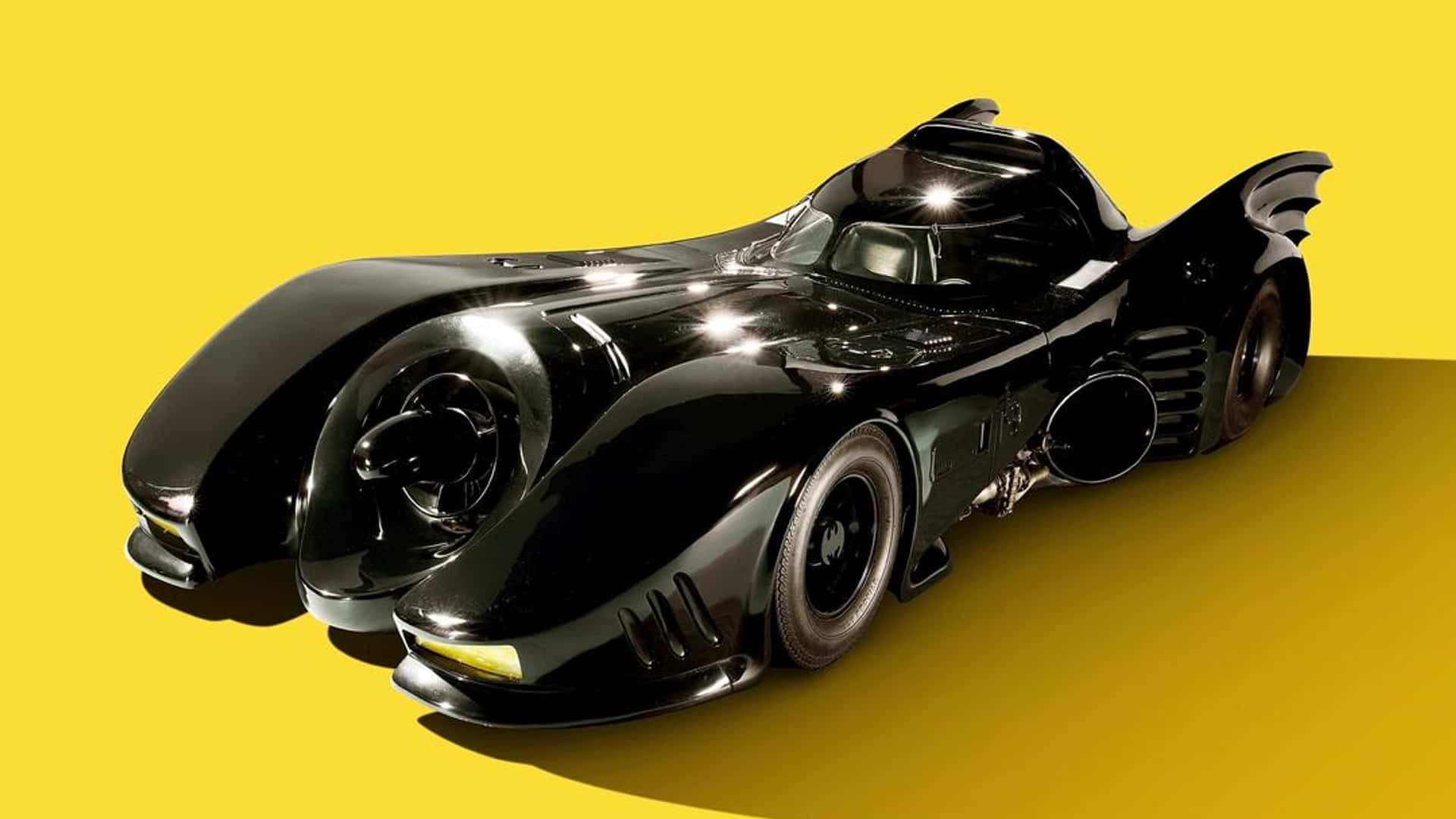
A nearly 20-foot-long custom-framed machine with fiberglass panels and three decades of age is a conservation project, not a weekend cruiser. Moving it requires specialist haulers. Storing it requires climate control. Insuring it requires a conversation most brokers have never had. The purchase price is just the entry fee.
That reality narrows the field to museums, entertainment-industry collectors, and the ultra-wealthy who treat cars as cultural artifacts. Burton’s two Batman films reshaped how Hollywood treated comic book properties, and this vehicle became the visual signature of that shift. It is as much a piece of film history as it is a piece of automotive history.
The November auction will also include Batman costumes, props, and production materials. Julien’s is packaging the sale as a full immersion into the character’s screen legacy, which is smart positioning. Surrounding the Batmobile with related memorabilia creates a feeding frenzy among bidders already emotionally invested before the gavel drops.
The $5 million to $7 million estimate feels calibrated to generate headlines while leaving room for the auction house to claim a surprise if bidding exceeds expectations. Estimates in this range are as much marketing tools as they are appraisals. The real number depends on who shows up, how badly they want it, and whether two deep-pocketed bidders lock horns.
The 1960s Batmobile record has stood since 2013. Twelve years is a long time in the movie-car market, a category that barely existed before the Bullitt Mustang sale reset expectations. The question now is whether nostalgia for Burton’s Gotham runs as deep as nostalgia for Adam West’s.
Bidding opens November 23. The answer arrives shortly after.
Share this Story