
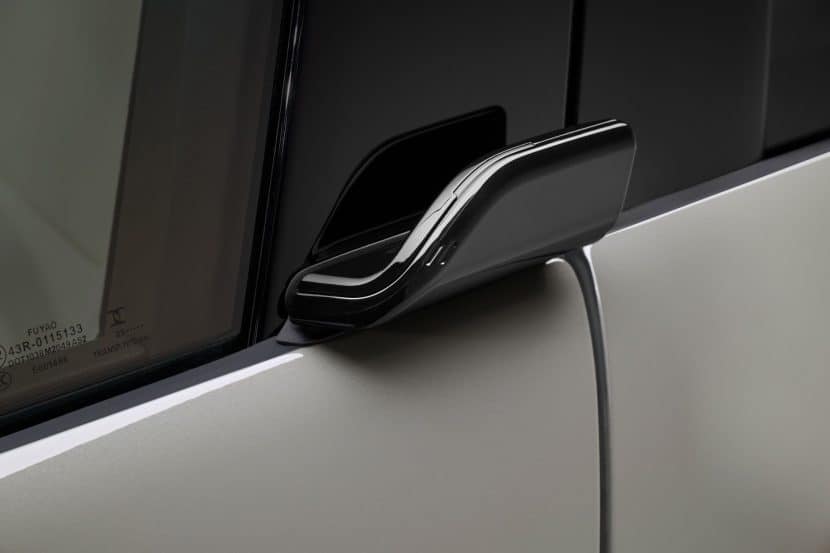


The fifth-generation BMW X5 can open and close all four doors without anyone touching a handle. BMW released a how-to video this week showing exactly how the system works, and the message is clear: the X5 wants to play in a league its price tag doesn’t quite justify.
The feature is part of the optional Luxury Package on U.S. models. Instead of traditional pull handles, the G65 X5 uses small sensors BMW calls Winglets, integrated near the window line. Touch one, the door unlatches and swings open electrically.
Touch again, it closes. Inside, buttons on the door panels do the same. The driver gets a bonus trick: press the brake pedal once seated and the door shuts itself.
Voice commands work too. So does the 17.9-inch center display. The My BMW App lets owners choose which doors open as they approach the vehicle. Loading a kid into the back seat while standing at the curb? Open just that door from your phone.
Radar sensors embedded in the side skirts scan the surroundings to prevent doors from swinging into obstacles. BMW claims radar is faster than competing sensor technologies. If the powered system ever fails, a servo mode allows manual operation without the kind of resistance that makes you feel like you’re fighting the car.
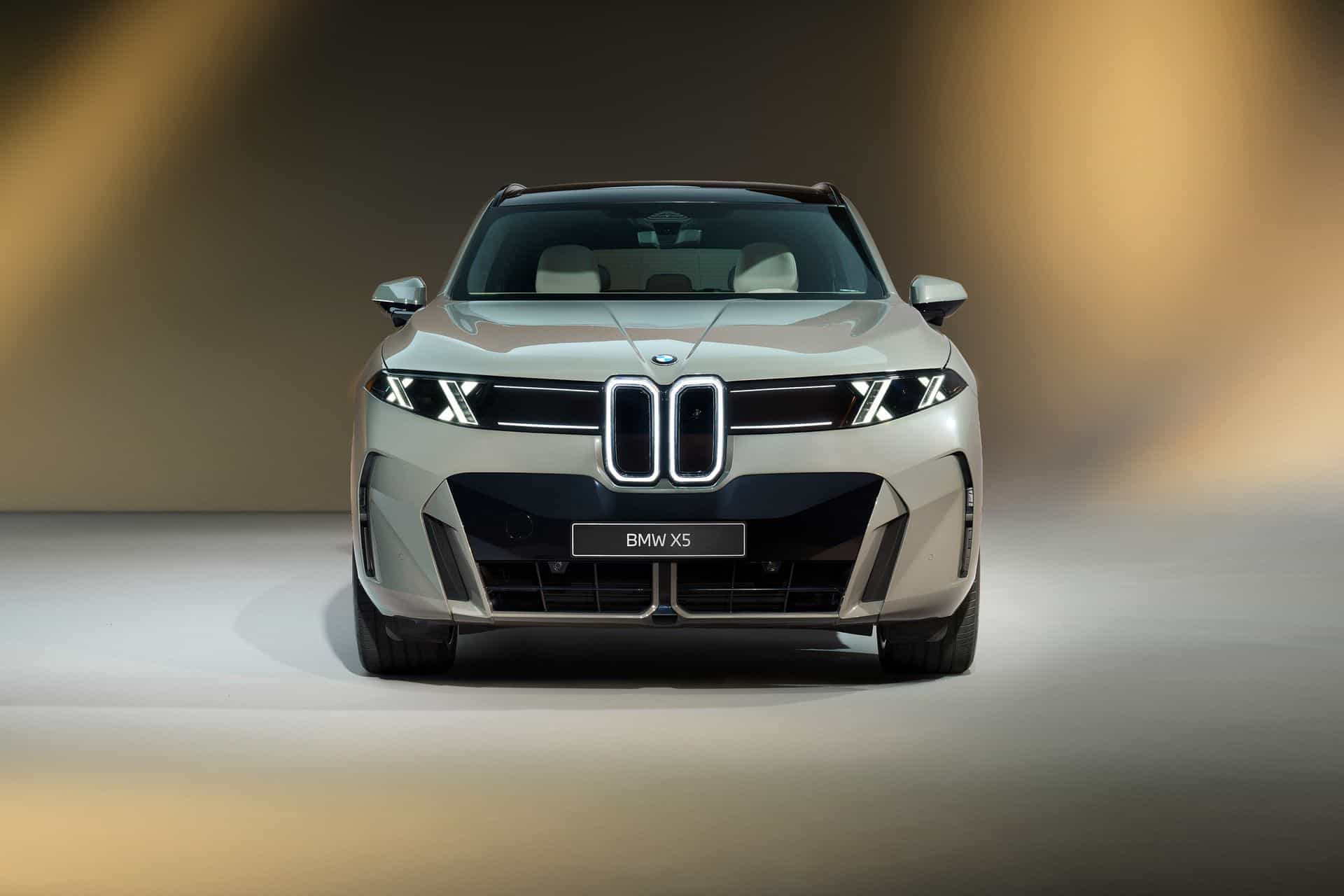
The technology is borrowed almost directly from the 7 Series and i7, where it debuted. Before that, it lived exclusively in Rolls-Royce territory, standard equipment on six-figure machines like the Phantom, Ghost, Spectre, and Cullinan. Trickling it down to a vehicle that starts well under six figures is a deliberate move to blur the line between BMW’s luxury SUV and its ultra-luxury siblings.
BMW is not alone in this migration. Tesla offered electrically powered front doors on the Model X years ago, paired with those polarizing Falcon Wing rears. Audi now lists automatic doors with obstacle detection as options on the Q7 and the new Q9. Mercedes reserves the feature mostly for Maybach models, fitting it to all four doors on the Maybach EQS SUV and the rear doors on the Maybach S-Class.
That competitive context matters. When your mid-size luxury SUV shares a feature set with a Maybach, you are either punching way above your weight or the definition of mid-size luxury has permanently shifted. The G65 X5 seems to be arguing for the latter.
Its Neue Klasse platform supports gasoline, diesel, plug-in hybrid, battery-electric, and hydrogen powertrains depending on market. The cabin offers an available passenger display, natural slate trim, and BMW’s Panoramic iDrive system.
Automatic doors are the kind of feature that seemed absurd on anything short of a limousine five years ago. Now four different automakers offer some version of it across SUVs ranging from roughly $60,000 to $200,000. The technology is commoditizing fast.
BMW built its reputation on driving dynamics, not concierge-level entry rituals. The X5 has always been the sensible athlete of the luxury SUV class. Strapping powered doors onto it suggests BMW sees the future customer caring less about apex speed and more about not having to pull a handle in a parking garage.
Whether that bet pays off depends on how many buyers actually tick the Luxury Package box, and whether the radar sensors prove as reliable at year five as they are on day one.
Share this Story