
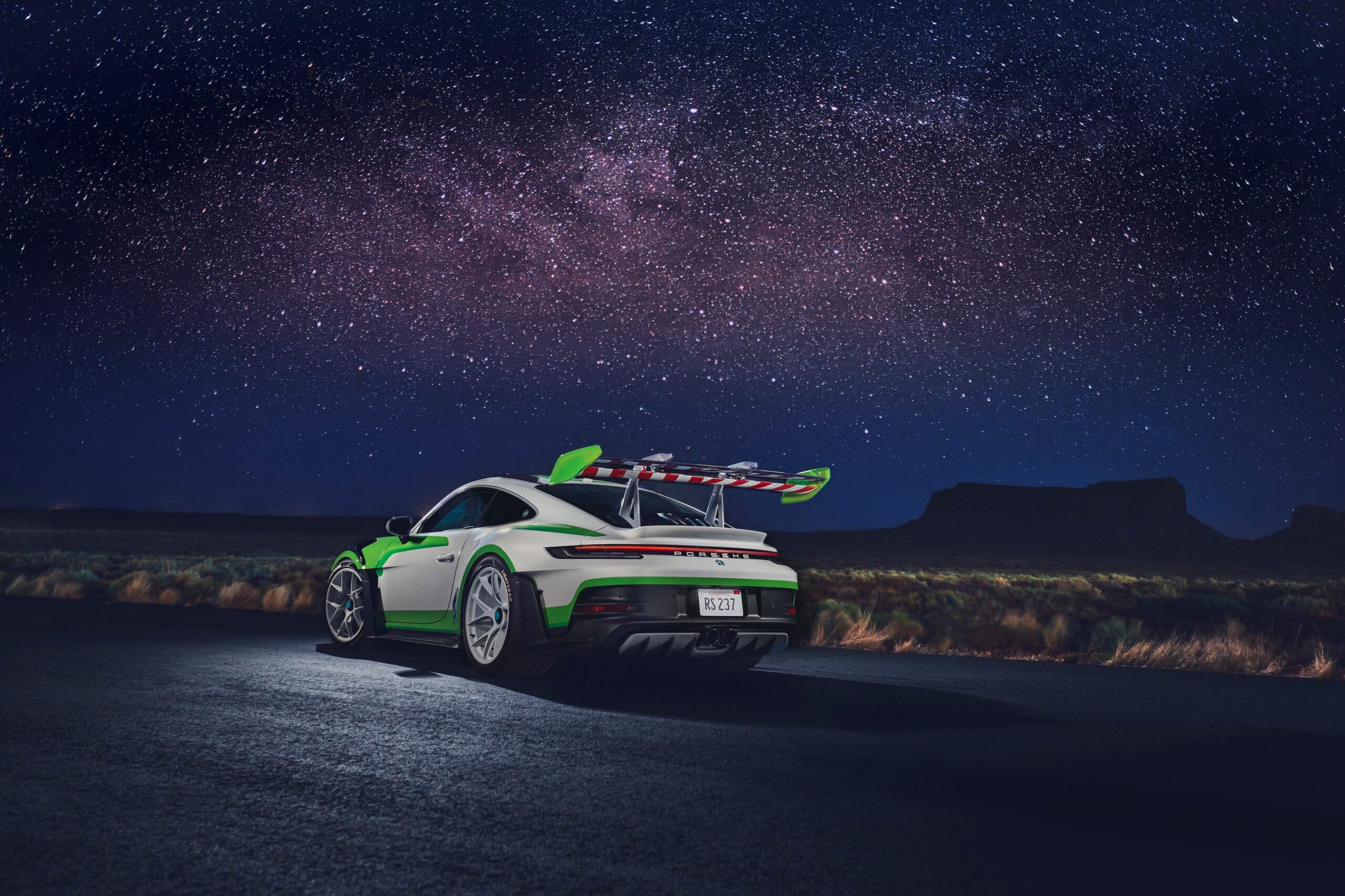


Porsche sold 320,221 cars in 2023. By 2025, that number had cratered to 279,449. CEO Michael Leiters doesn’t seem particularly bothered by the decline — he’s betting he can make more money anyway.
In a revealing interview with Germany’s Frankfurter Allgemeine Zeitung, Leiters laid out a strategy that amounts to a controlled retreat from volume. Porsche has to make money even with fewer cars. We are planning for lower capacities in the future,” he told the newspaper, adding that spending has “spiraled out of control” in recent years.
The math behind the pivot isn’t complicated. China, once Porsche’s golden market, has gone cold. The 718 Boxster and Cayman are currently out of production worldwide, the combustion Macan is dead in Europe, and that’s a lot of empty factory floor.
Rather than chase lost volume, Leiters wants to fill the gap with higher-margin machinery — flagship models, special editions, and potentially a hypercar successor to the 918 Spyder. At the company’s annual press conference in March, he hinted at new models positioned above both the 911 and Cayenne, the two pillars of Porsche’s identity.
One of those flagships was widely expected to be the K1, a three-row SUV that would have given Porsche a direct competitor to the BMW XM and Lamborghini Urus. But the FAZ report suggests the K1’s future has grown uncertain. Porsche’s reversal on its aggressive electrification timeline has apparently triggered a re-examination of where the big SUV fits in the lineup — or whether it fits at all.
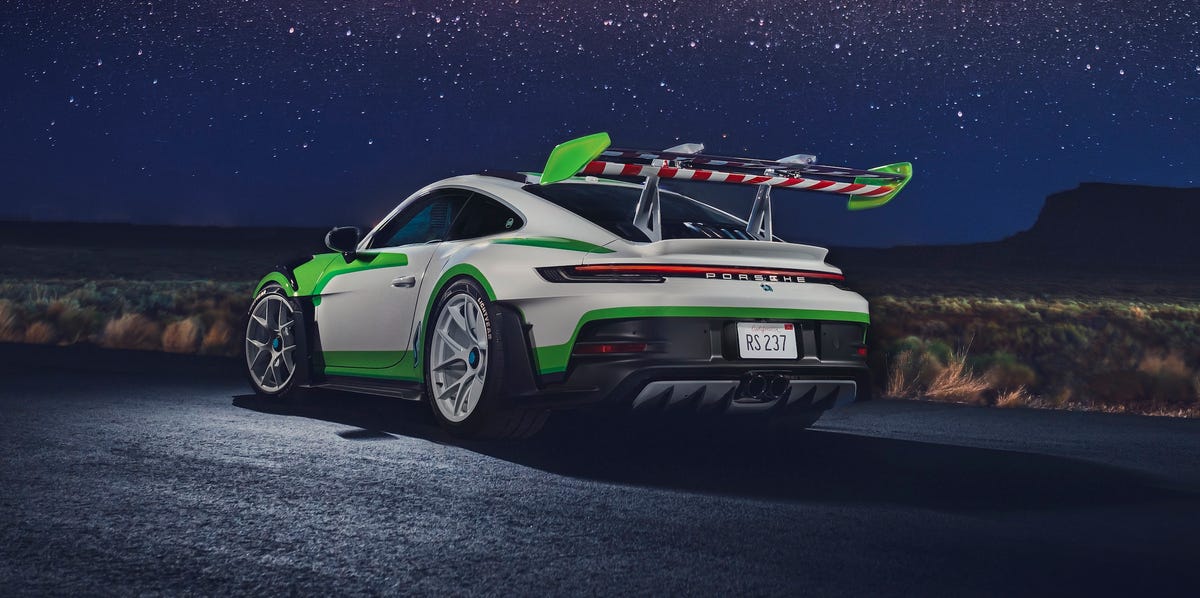
That reversal is telling. Porsche committed hard to EVs, launching the Taycan and an electric Macan, then watched the market punish it. The Taycan’s sales have never matched expectations, and the electric Macan arrived into a European market already souring on battery-powered luxury vehicles at that price point. Now the company is recalibrating everything, including product plans built on assumptions about EV adoption that haven’t materialized.
Leiters did confirm the 718 lineup will return in both Boxster and Cayman forms, which seems to cut against the fewer-cars-bigger-margins thesis. Mid-engine sports cars at the $60,000–$80,000 level aren’t exactly high-margin flagships. But Leiters framed them as customer acquisition tools, acknowledging the gateway-drug role the 718 has always played.
The real tension in Porsche’s strategy is whether exclusivity can compensate for collapsing volume quickly enough. Ferrari has proven the model works — fewer than 14,000 cars a year, extraordinary profitability. But Ferrari never sold 320,000 units, never had a Cayenne or a Macan anchoring its balance sheet.
Porsche is trying to move upmarket while still carrying the infrastructure and workforce of a company that was recently building north of 300,000 vehicles annually. Cutting production capacity means closing lines, renegotiating supplier contracts, and potentially laying off workers at a time when the German automotive sector is already under severe stress. Leiters’ admission that spending spiraled out of control is the kind of candor that usually precedes painful restructuring, not gentle trimming.
The strategy is clear enough on paper: build fewer cars, charge more for each one, protect the brand’s exclusivity, and let the margins do the talking. Porsche has the heritage and the customer loyalty to attempt it. Whether it has the discipline is the harder question.
The last time Porsche was in financial trouble, it tried to take over Volkswagen and nearly destroyed itself. This time, the ambition is quieter but no less risky — transforming from a volume luxury brand into something closer to an ultra-premium manufacturer, without the market ever noticing the seams.

Share this Story