
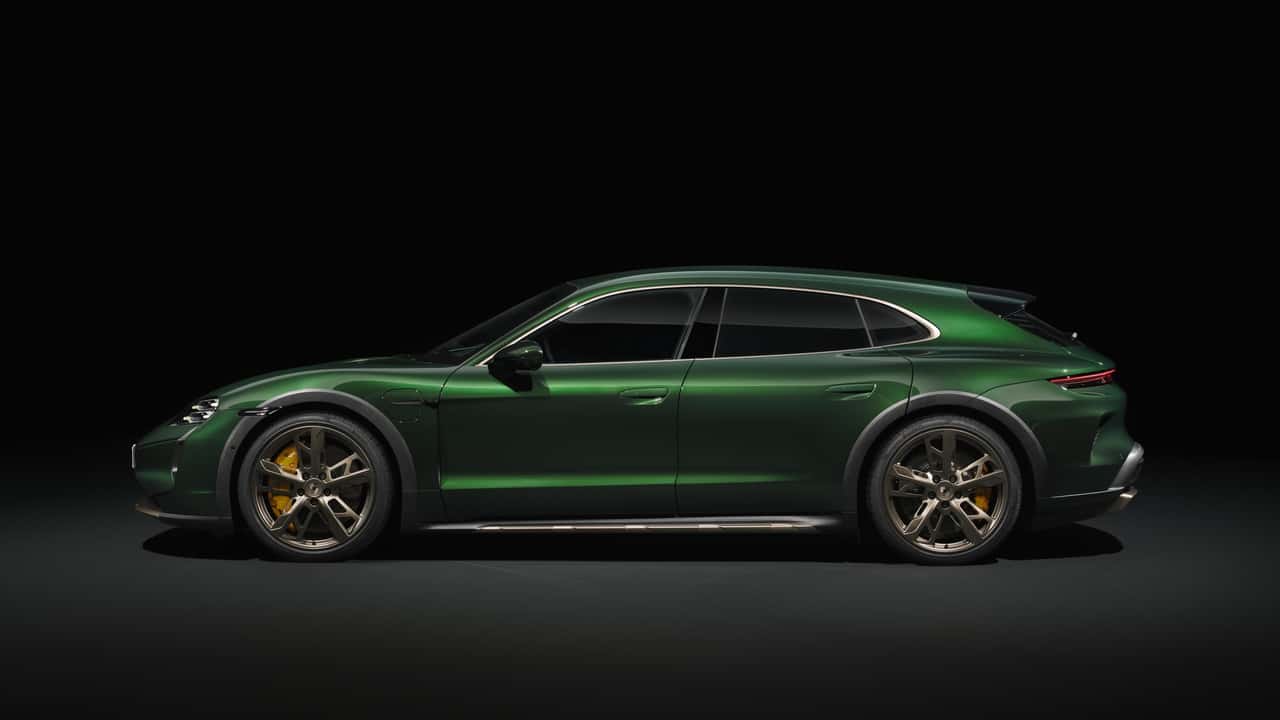


Porsche sold 607 Taycans in the first quarter of 2025. That number tells you everything about why the Sport Turismo and Cross Turismo are dead.
The automaker confirmed to multiple outlets this week that both wagon variants of the Taycan will not survive into the 2027 model year update. A Porsche spokesperson cited low sales, a polite way of saying almost nobody was buying them.
The Taycan’s trajectory has been a steady downhill slide. In 2023, Porsche moved 7,570 units in the US, a respectable number for a six-figure electric sedan. By 2024, that dropped to 4,747. Last year, 4,142. And 2025 is tracking even worse, with Q1 sales down 40 percent compared to the same period a year ago.
Splitting those already thin numbers across three body styles — sedan, Sport Turismo, and the slightly raised Cross Turismo — was a luxury Porsche could afford when the EV hype cycle was still spinning. It can’t anymore.
This is a familiar playbook in Stuttgart. Porsche offered a Panamera Sport Turismo wagon for a few years, and that got the axe too, for the same reason. The American market has never really embraced wagons, and wrapping one in a Porsche badge and an electric powertrain didn’t change that truth.
With both variants gone, Porsche now sells zero wagons in the United States. The timing is brutal for enthusiasts who considered the Sport Turismo the best-looking car in Porsche’s entire lineup. Lower and sleeker than the Cayenne, more practical than the sedan, it was the kind of car that automotive writers loved and actual buyers ignored.
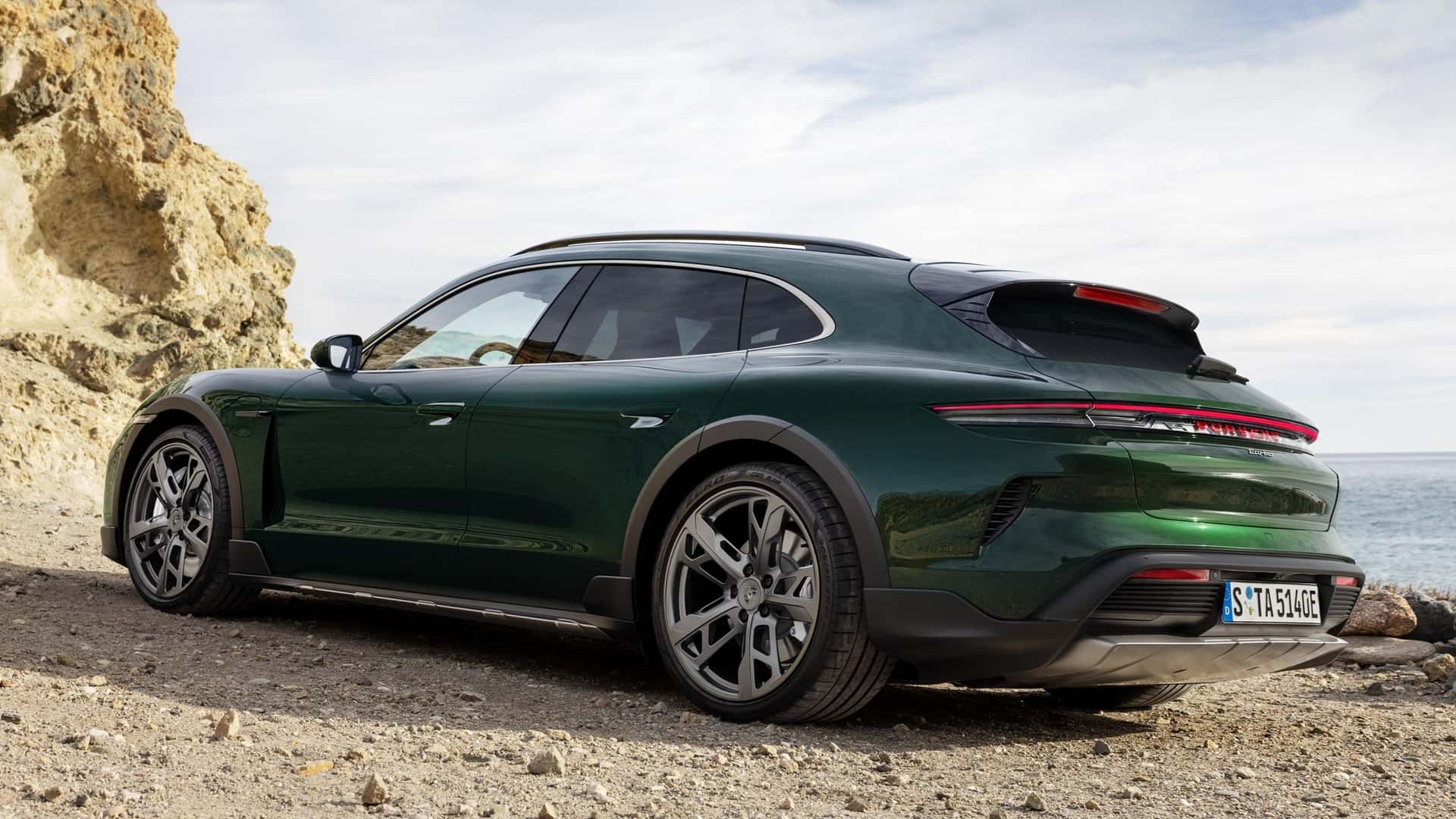
The Cross Turismo, with its plastic cladding and slightly raised ride height, tried to split the difference between wagon and crossover. It was a compromise that pleased almost no one enough to open a wallet.
Porsche has been making telling moves with the Taycan lately. The company recently added simulated gear changes to the EV’s powertrain, a concession to drivers who missed the sensation of traditional shifting. A Porsche executive publicly acknowledged that the Taycan’s original launch timing “wasn’t ideal,” corporate-speak for admitting they walked into a market that wasn’t ready for what they were selling at the price they were selling it.
The 2027 Taycan sedan will carry on, presumably with improvements aimed at stopping the sales bleeding. But the broader picture is hard to ignore. Porsche built arguably the best-driving electric car on the market and watched customers shrug.
The wagon versions, which made that car more versatile and more distinctive, couldn’t find enough buyers to justify their existence. Three body styles made sense when Porsche believed the Taycan would be a volume play. At 607 units a quarter, it’s barely a rounding error in a company that sells north of 300,000 vehicles globally each year.
You don’t maintain expensive manufacturing variants for a car that’s moving at that pace. Wagon lovers will mourn. They always do.
But mourning doesn’t show up on a sales chart, and Porsche has read the chart clearly. The last German sports car maker to sell wagons in America just stopped selling wagons in America. The market spoke, and what it said was: give us SUVs.
Share this Story