
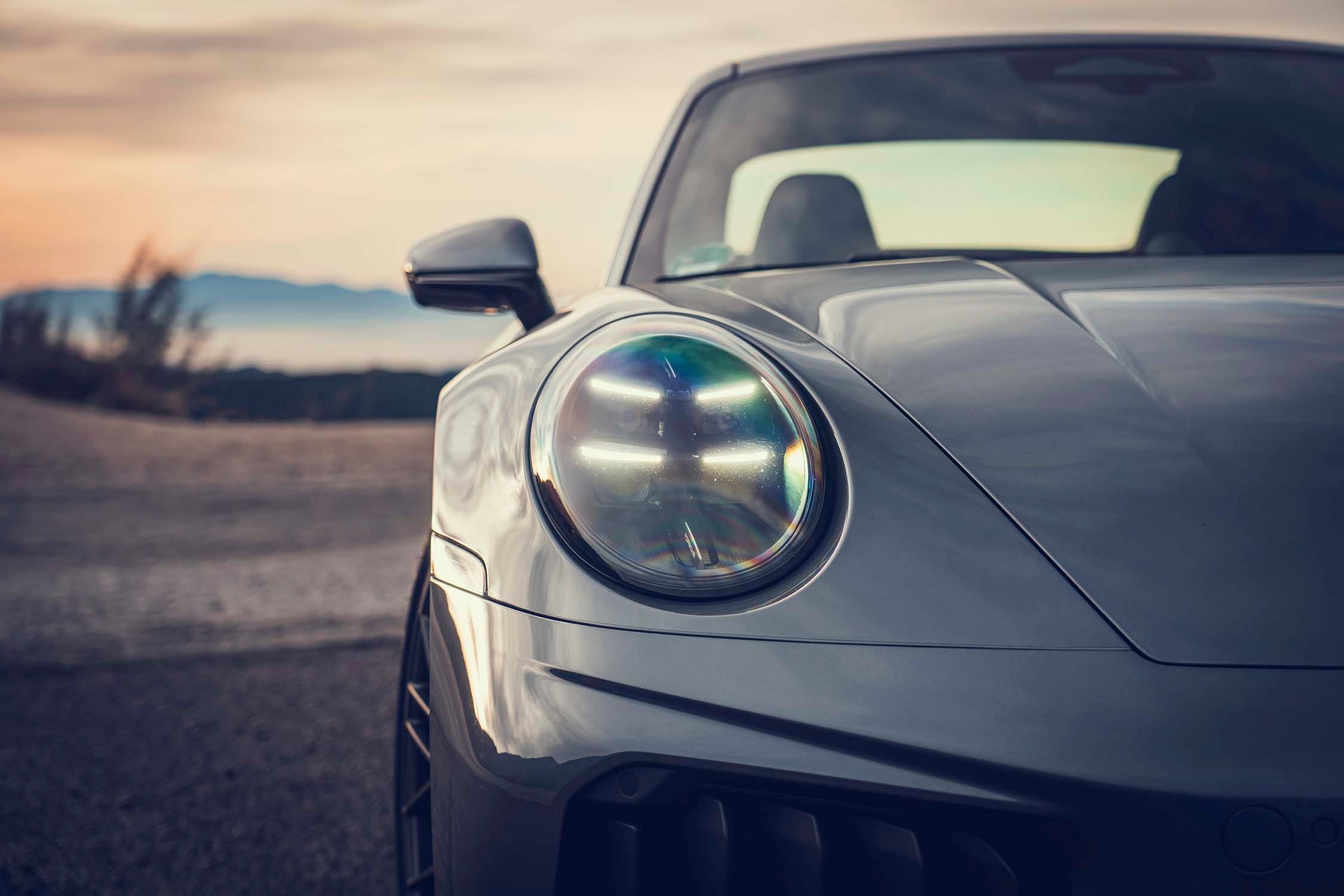


Porsche CEO Michael Leiters has done something rare in the modern auto industry — he’s closed a door and thrown away the key. During an event hosted by German outlet Auto Motor und Sport, Leiters declared that Porsche will never build an all-electric 911. The German news agency dpa reported the comments first, with Reuters amplifying them globally.
Whether Leiters meant “never” in the absolute sense or simply “not on any foreseeable product roadmap” remains slightly ambiguous. Porsche hasn’t yet clarified the distinction. But the signal is unmistakable either way.
This is a company in the middle of an awkward, expensive pivot away from its own electrification commitments. The next-generation 718, originally designed as an electric-only platform, is now being re-engineered to accept combustion engines. Porsche has also greenlit a new combustion-powered SUV to sit alongside the Macan and Cayenne, deliberately sidestepping a battery-electric powertrain.
Two years ago, the industry consensus was that every premium sports car would eventually go electric. Porsche itself seemed to believe it. The Taycan was the proof of concept, the Macan EV the next logical step.
The trajectory pointed one direction. Now it points somewhere considerably less certain.
The 911, though, was always the hardest case. It is Porsche’s soul, its identity anchor, the car that funds the mythology even as SUVs fund the balance sheet. Porsche sold 13,574 examples of the 911 last year — modest next to the 47,453 combined Macan and Cayenne sales, but potent in cultural weight.
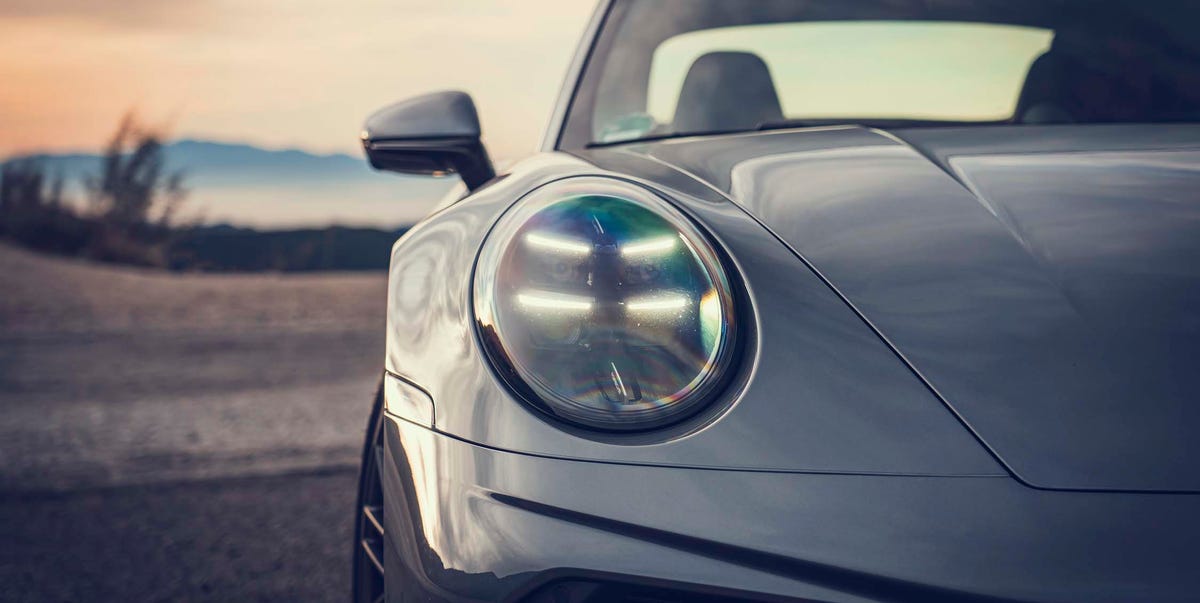
Every decision about the 911 carries outsized symbolic importance. That doesn’t mean electrification hasn’t already touched the car. The 2025 911 GTS introduced Porsche’s T-Hybrid system, tucking an electric motor inside the eight-speed dual-clutch transaxle to assist a pair of electrically aided turbochargers and the 3.6-liter flat-six.
The 2026 Turbo S uses the same architecture and hits 60 mph in a dead-flat two seconds. Purists grumbled about the added weight and complexity. The stopwatch shut them up.
So the 911 isn’t rejecting electrons entirely. It’s rejecting the idea that electrons should be the only thing powering it. That’s a meaningful distinction in an industry that spent the last five years framing electrification as a binary choice — all in or all out.
Leiters is betting that hybrid technology gives Porsche the performance gains customers expect without sacrificing the flat-six character that makes a 911 a 911. A battery pack heavy enough to deliver meaningful electric range would fundamentally alter the car’s weight distribution, its dimensions, its driving feel. The engineering math doesn’t work, and Porsche apparently has no interest in forcing it.
The broader pattern is hard to miss. Porsche charged headlong into electrification, hit a wall of consumer hesitancy and margin pressure, and is now methodically walking back its most aggressive commitments. The 718 reversal was the first public admission.
The combustion SUV was the second. The 911 declaration is the third, and the loudest.
None of this means Porsche is abandoning EVs. The Taycan and electric Macan remain in the lineup. But the company is clearly done pretending that every nameplate must eventually shed its engine.
The 911 gets to keep its flat-six. Permanently, if Leiters is to be taken at his word.
For a car that has survived air-cooling debates, water-cooling debates, turbocharging debates, and hybridization debates across six decades, surviving the EV question might be the least surprising chapter yet. The 911 has always been stubborn. Now its CEO is matching that energy.
Share this Story