
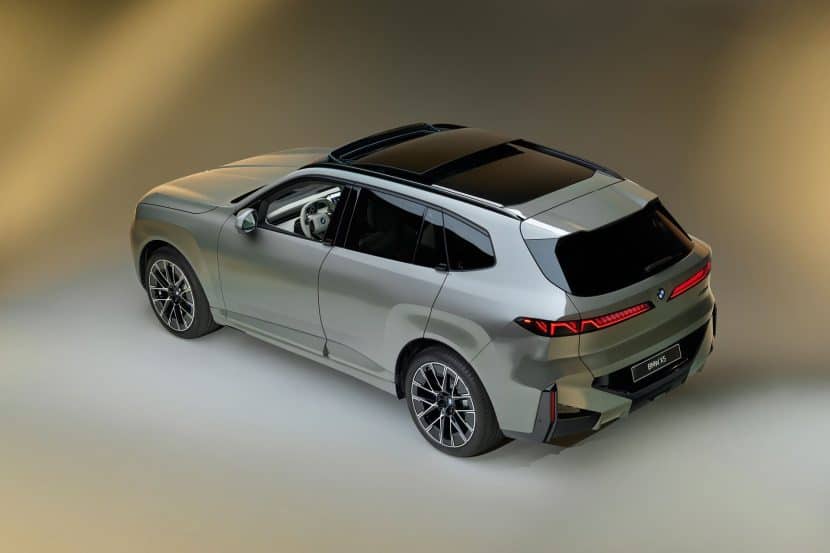


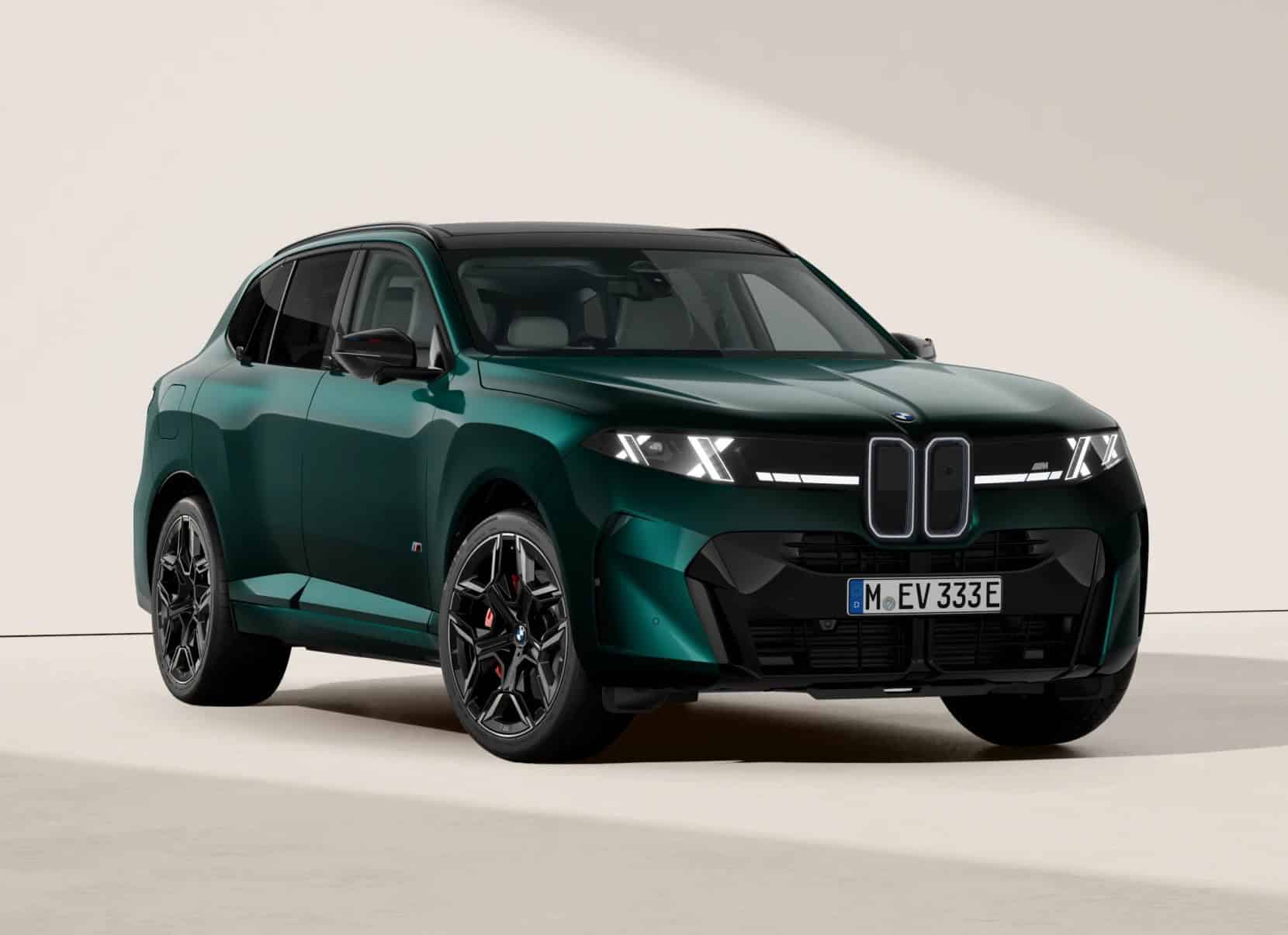
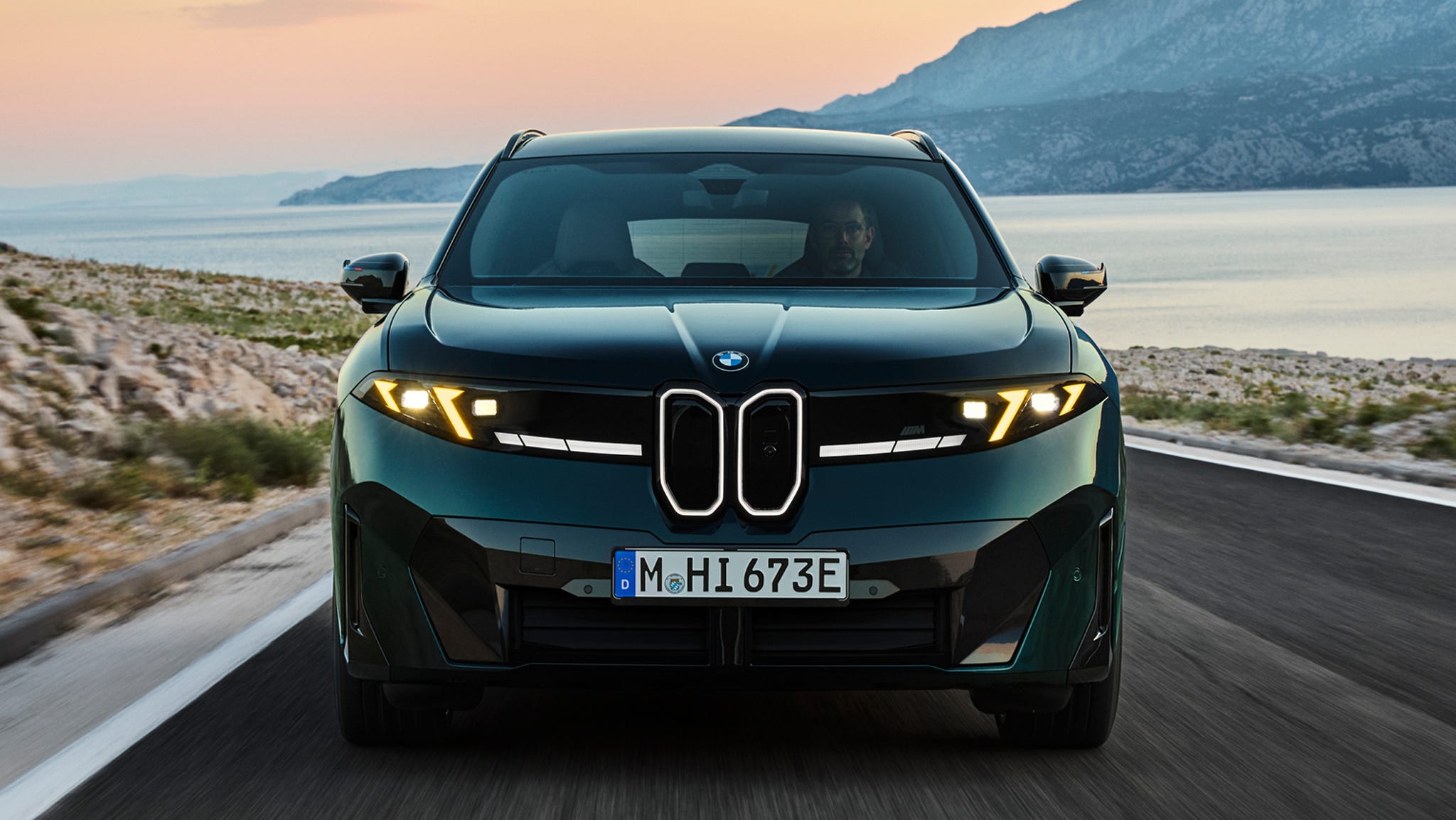
Two months after launching the fifth-generation X5 configurator in Europe with just a pair of inline-six models, BMW is about to triple the menu. Starting October 8, three new variants join the G65 build tool: the 50e xDrive plug-in hybrid, the M60e xDrive M Performance plug-in hybrid, and the fully electric iX5 60 xDrive.
The pricing tells the real story. Both plug-in hybrids and the EV land squarely in six-figure territory before a single option box gets checked. The 50e xDrive is expected to open at roughly €102,800 in Germany, while the M60e xDrive and iX5 60 xDrive each hover around €125,000.
That puts the electric X5 on equal financial footing with the hottest PHEV variant. It’s a bold move that signals BMW sees its EV as a premium product rather than a discounted science experiment.
Production of the conventionally powered G65 models began this month at BMW’s Spartanburg, South Carolina plant. European deliveries for the 40 xDrive and 40d xDrive start November 28. The plug-in hybrids and the electric model follow on the assembly line in December, with customer deliveries beginning March 6 of next year.
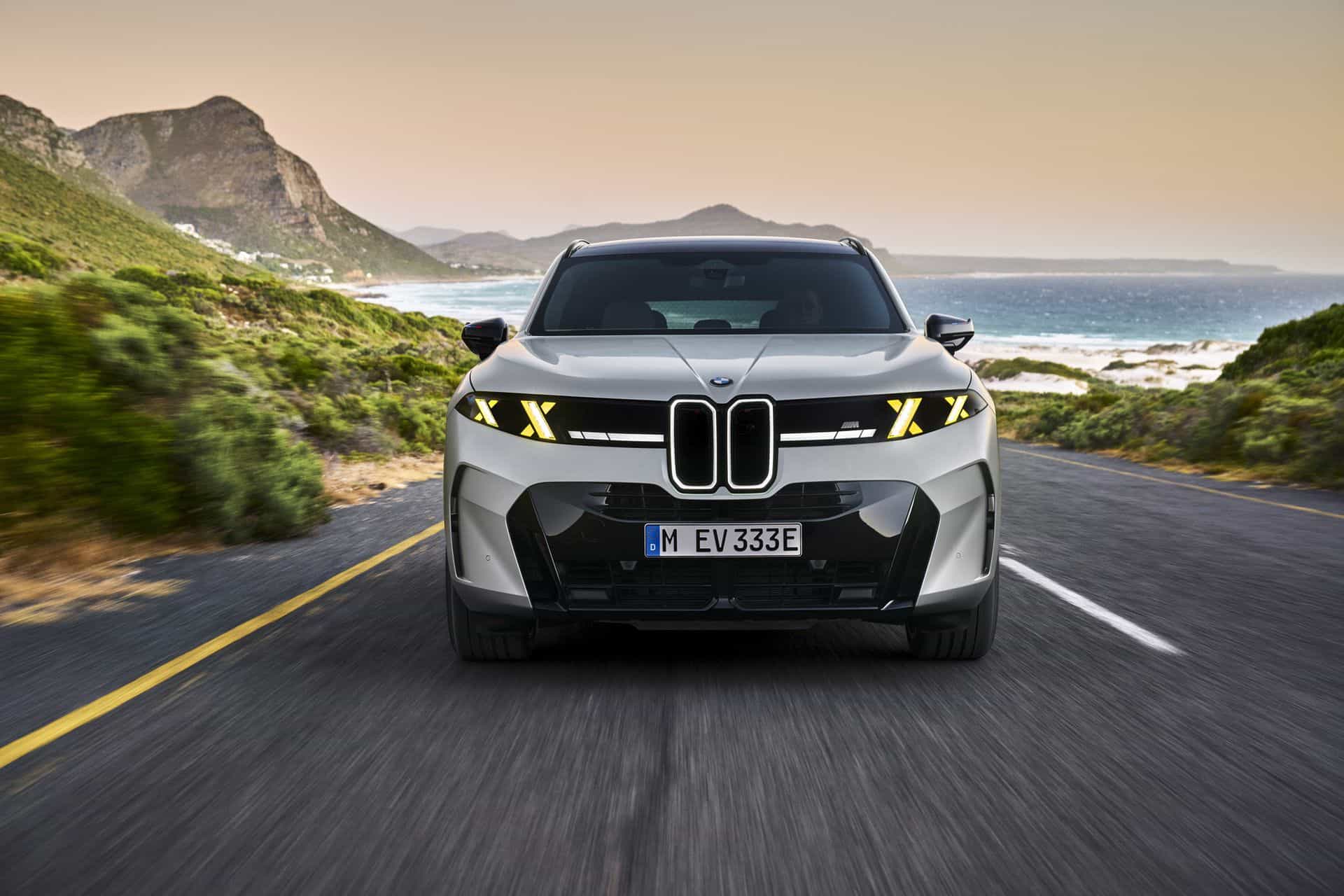
BMW is not done. A V8-powered X5 M60 xDrive is also headed to Europe, a move that feels almost defiant given the continent’s tightening emissions regime. The twin-turbo 4.4-liter S68 engine will anchor that model, and the same unit is expected to power the full-blown X5 M (G95) when it arrives in 2028 with potentially north of 600 horsepower.
A V8 in Europe in 2027 is no longer a given. BMW is treating it like a statement.
The electric side may steal the V8’s thunder. Rumors point to an electric X5 M variant with four motors producing somewhere between 800 and 900 horsepower. If that pans out, it would be the most powerful X5 M ever built. BMW has not confirmed it, but the architecture allows it.
Every G65 variant rides on the same CLAR platform, combustion, hybrid, and battery-electric alike. That platform flexibility is the quiet engineering story underneath all the horsepower chatter. BMW is running five distinct powertrains through one body structure and one factory.
It is the opposite of the dedicated-EV-platform strategy that companies like Mercedes have pursued with varying degrees of conviction. Whether CLAR can deliver competitive EV range and packaging against purpose-built rivals remains the open question.
Europe will not get every version. The base rear-wheel-drive X5 40, priced at $71,250 in the United States, stays exclusive to the American market. It is one of the last rear-drive combustion SUVs BMW sells anywhere, a quiet footnote in a lineup that now stretches from a turbocharged six-cylinder to a rumored 900-hp electric quad-motor flagship.
A lower-priced iX5 50 xDrive has not been announced, but BMW has not ruled it out either. For now, the entry point to electric X5 ownership sits at €125,000, which prices out a significant chunk of buyers who might otherwise consider going battery-electric. Whether BMW adds a more accessible rung to that ladder later in the G65’s life cycle could determine how many of these actually end up plugged in rather than pumped up.
The configurator opens October 8. The real test starts in March, when the first PHEVs and EVs reach driveways and the market decides whether five flavors of X5 is a buffet or a blur.
Share this Story