
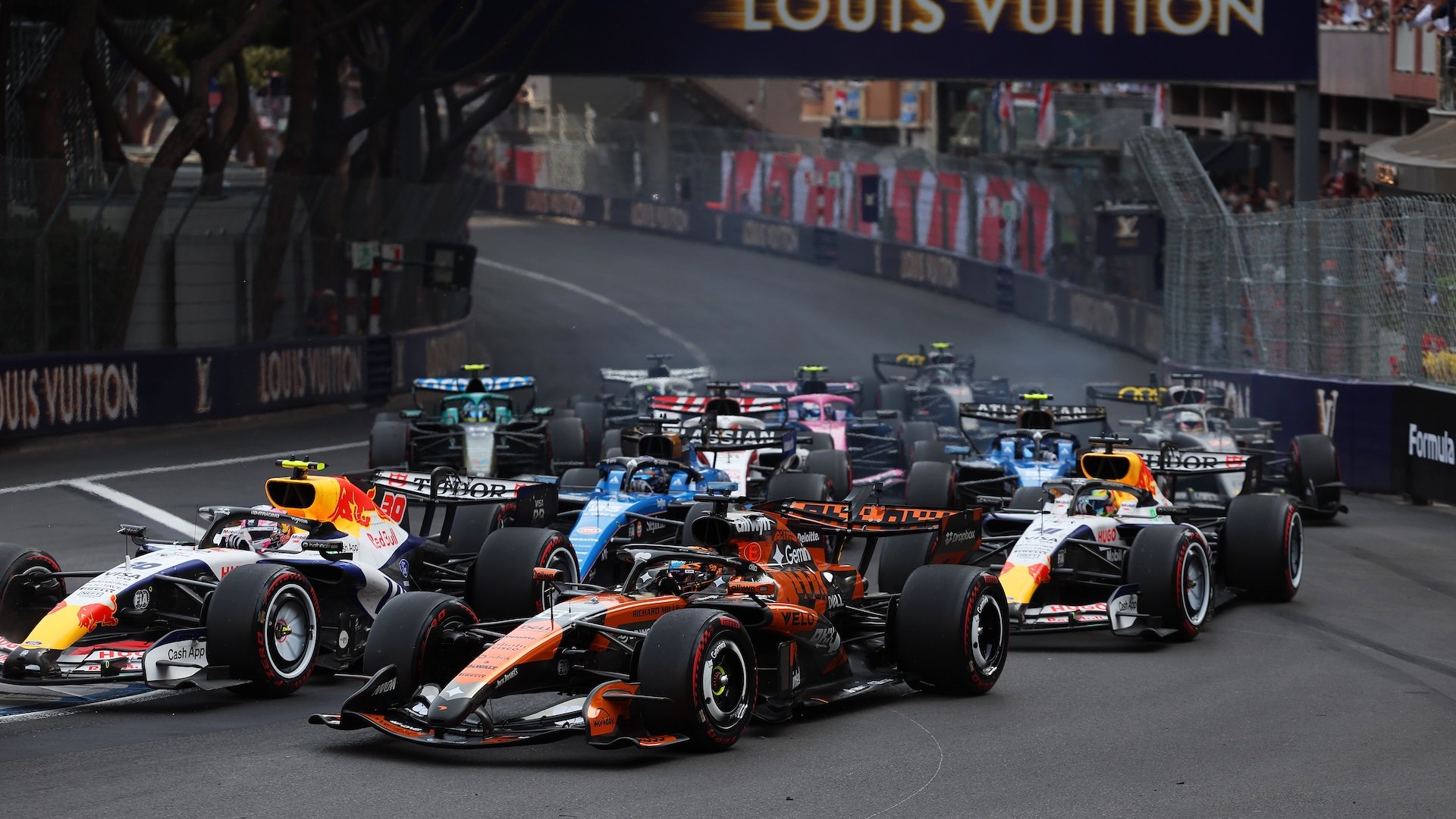


The FIA published its latest round of Formula 1 power unit regulation changes yesterday, the second revision in just five weeks. The combustion-to-electric power split will shift from the current 53/47 ratio to 60/40, but not until 2028. That’s three seasons of incremental tinkering before the engines sound and feel meaningfully different from what’s on track right now.
The phased rollout works like this: 53/47 stays for 2026, moves to 58/42 in 2027, and reaches 60/40 in 2028. Internal combustion engine max output climbs from 400kW to 420kW to 450kW across those years, while the MGUK drops from 350kW to 300kW. Fuel flow gets a 5% bump in 2027 and a significant 13% increase in 2028.
All teams and the FIA agreed unanimously. But unanimity masked a real fight underneath.
Mercedes and Red Bull Ford pushed for more aggressive changes to the 2027 regulations. They wanted to go further, faster. Ferrari and Audi reportedly blocked those ambitions, unwilling to absorb the engineering cost of a more radical overhaul on a compressed timeline.
The sticking point was fuel flow. More fuel flow means higher consumption, which means heavier fuel loads at the start of a race. Formula 1 doesn’t allow refueling.
A bigger fuel tank means reworking the chassis, or designing an entirely new one. For teams planning to carry over their 2026 chassis into 2027, that’s a dealbreaker.
The compromise? Shorten race distances by trimming a few laps where necessary rather than forcing wholesale redesigns. It’s the kind of pragmatic, unglamorous solution that keeps the grid together but doesn’t exactly inspire confidence that the sport is attacking its problems head-on.
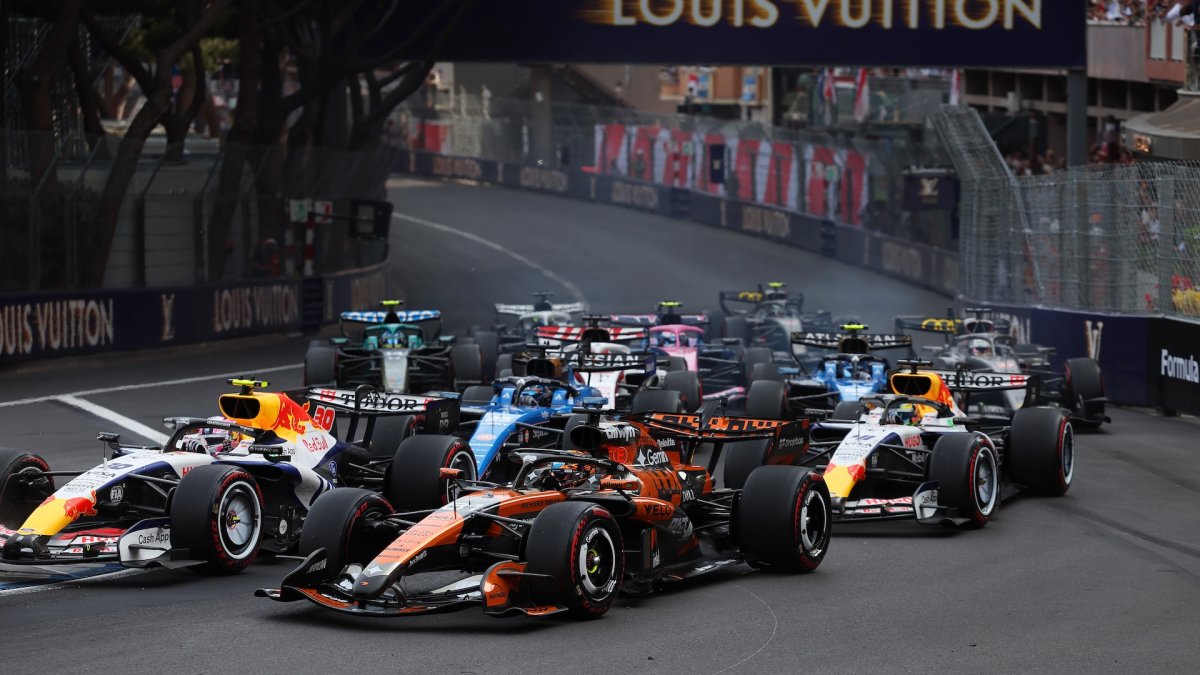
The FIA framed the package as addressing “energy management and fuel energy flow characteristics” while making “qualifying more flat out.” The governing body also promised the changes wouldn’t undermine “the positive and exciting racing generated by the new regulations.” That’s an optimistic read on a formula that hasn’t turned a competitive wheel yet.
These tweaks land in an unusual context. FIA President Mohammed Ben Sulayem is already pushing hybrid V8 engines for 2031, possibly 2030, with an 80/20 combustion-to-electric split. That’s a wholesale rejection of the philosophy behind the current V6 turbo-hybrid era.
The gap between where these regulations are headed and where the V8s would start is enormous. The 2026–2028 formula increasingly looks like a transitional chapter nobody wants to write but everyone has to read.
Two camps have emerged. One, led by the sport’s biggest spenders, wants to rip the bandage off now and make the current power units feel properly combustion-dominant before the V8 era arrives. The other wants to protect sunk development costs and avoid destabilizing competitive positions mid-cycle.
Ferrari and Audi won this round. The regulations move slowly, the chassis stays intact, and the electric motor retains more influence than the loudest critics would prefer. Whether casual fans notice any difference between a 53/47 split and a 58/42 split on a Sunday afternoon is a question nobody in the paddock seems eager to answer honestly.
The sport acknowledged a problem, agreed something had to change, and then chose the smallest possible change everyone could live with. That’s consensus. It’s also how you end up needing a complete engine architecture reset five years from now.

Share this Story