
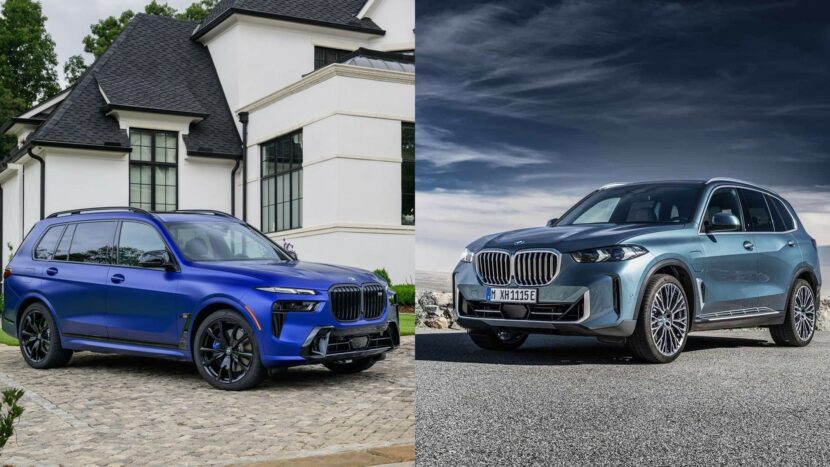


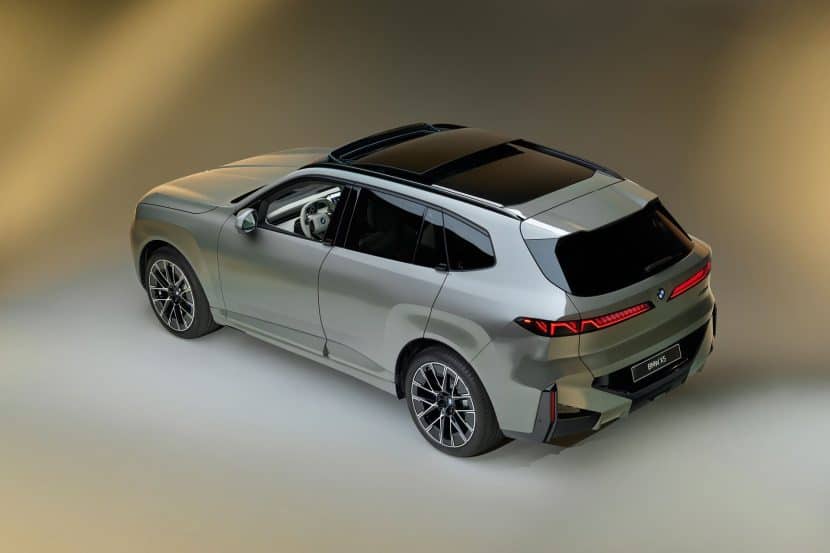
The new G65 BMW X5 measures 196.6 inches long. The outgoing X7 stretches to 203.6 inches. That gap has shrunk to just seven inches, and the two SUVs now share identical widths at 78.7 inches. BMW’s own lineup is cannibalizing its flagship’s reason to exist.
Meanwhile, Cadillac moved 57,000 Escalades last year. The Chevy Tahoe found 114,000 buyers. Lincoln sold nearly 25,000 Navigators. BMW has no entry in that full-size luxury arena, and it’s leaving real money on the table in a segment where transaction prices routinely crack six figures.
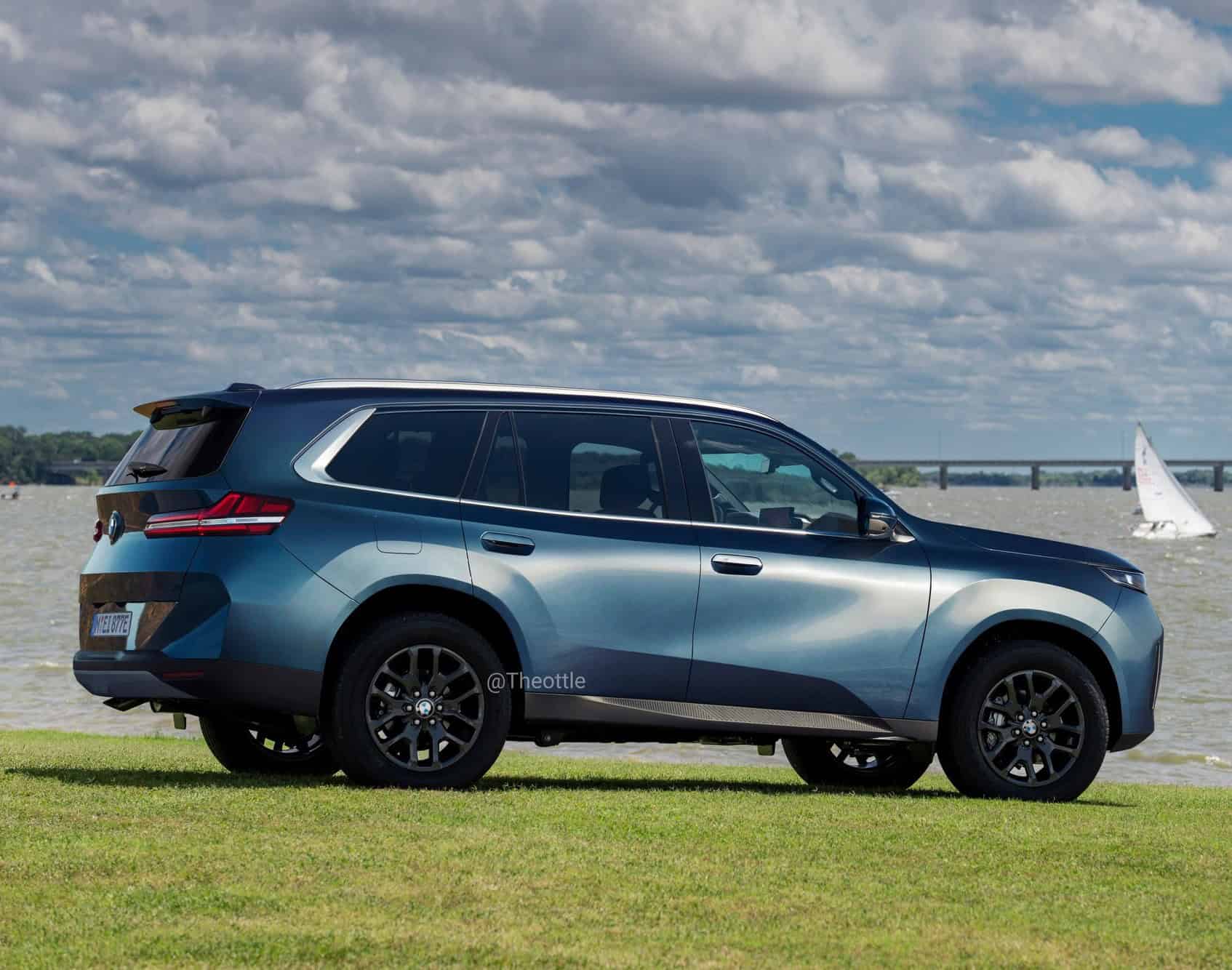
The idea of a BMW X9 sitting above the X7 isn’t as far-fetched as it sounds. BMW brand and product-management boss Bernd Körber said in March that the company could build something for that segment, noting demand is concentrated in the United States and Middle East. BMW dealers have been asking for a bigger SUV for some time. When the people selling your cars tell you the lineup has a hole, it’s worth paying attention.
A standard Escalade runs 211.9 inches long. The ESV stretches to a ludicrous 226.9. A long-wheelbase Range Rover hits approximately 207 inches. An X9 measuring somewhere around 210 to 215 inches would comfortably clear the X7 without chasing school-bus territory.
But size alone doesn’t justify the vehicle. The X9 would need to steal liberally from the 7 Series playbook. Executive Lounge second-row seats, powered leg rests, the 31.3-inch Theatre Screen, automatic doors, electrically deployable running boards, and a refrigerated center console would all be table stakes.
Cadillac already offers power doors, dual rear screens, Night Vision, and a 42-speaker AKG system. Lincoln counters with a 48-inch panoramic display. Range Rover has 24-way adjustable seats and rear foot massage. The current X7 is luxurious, but it doesn’t play at that level of excess.
The business case gets more interesting when you factor in the reportedly stalled G74 Rugged SUV project, which was aimed at competing with the Mercedes G-Class and high-end adventure vehicles. If that program is dead, BMW could redirect engineering bandwidth toward something with broader appeal. The Rugged was always going to be a niche play built around a specialized image, while “X9” requires zero explanation.
Engine choices practically write themselves. An X9 50 with the updated mild-hybrid S58 inline-six could push beyond 550 horsepower. An X9 M60 with a mild-hybrid twin-turbo V8 should deliver at least 650 horsepower and the kind of effortless torque that buyers spending well into six figures expect. Plug-in hybrids and full-electric variants would add weight, complexity, and potential buyer resistance in the American market that would need to anchor X9 sales volumes.
The electric question isn’t settled, though. Cadillac’s Escalade iQ moved only about 2,000 units in Q1, down 26.8 percent from the prior year. At roughly $150,000 per vehicle, the math could still work if volume picks up, but for now the combustion crowd is speaking loudly with their wallets.
Europe has little use for a vehicle this size. Parking alone would be a nightmare in most cities, and fuel costs and taxation would punish it further. But BMW already builds the X5, X6, X7, and XM in Spartanburg, South Carolina.
An X9 could be developed around the American market from day one, with the Middle East and China contributing meaningful demand. China’s appetite for long-wheelbase luxury vehicles, particularly those prioritizing rear-seat passengers, adds another lever.
The next-generation G67 X7 arrives in 2027 with updated tech, six- and eight-cylinder engines, and an electric iX7 derivative. Whether it will eventually have a bigger sibling is still anyone’s guess. But BMW’s own product creep has quietly opened the door, and the competitors standing on the other side aren’t waiting around.
Share this Story