
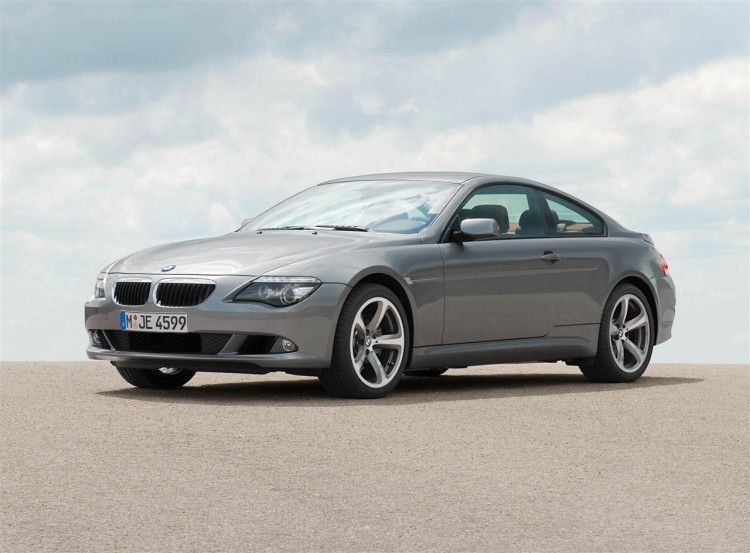


BMW’s 8 Series died for the second time in April 2026. The last coupes, convertibles, and Gran Coupes rolled off the Dingolfing line with no confirmed successor behind them. Just like that, BMW lost its only flagship grand tourer.
Meanwhile, ALPINA officially relaunched as a standalone BMW Group brand on January 1, 2026, positioning itself in what BMW calls the “Luxury Layer,” above the 7 Series and below Rolls-Royce. The first product is expected to be a G72-based ALPINA 7 Series lineup in 740, 760, and i7 70 xDrive variants, aimed squarely at the Mercedes-Maybach S580.
That leaves a conspicuous hole in both lineups. BMW has no coupe above the 4 Series. ALPINA has no product below a near-seven-figure flagship sedan. The answer has been staring at both brands from their own history books.
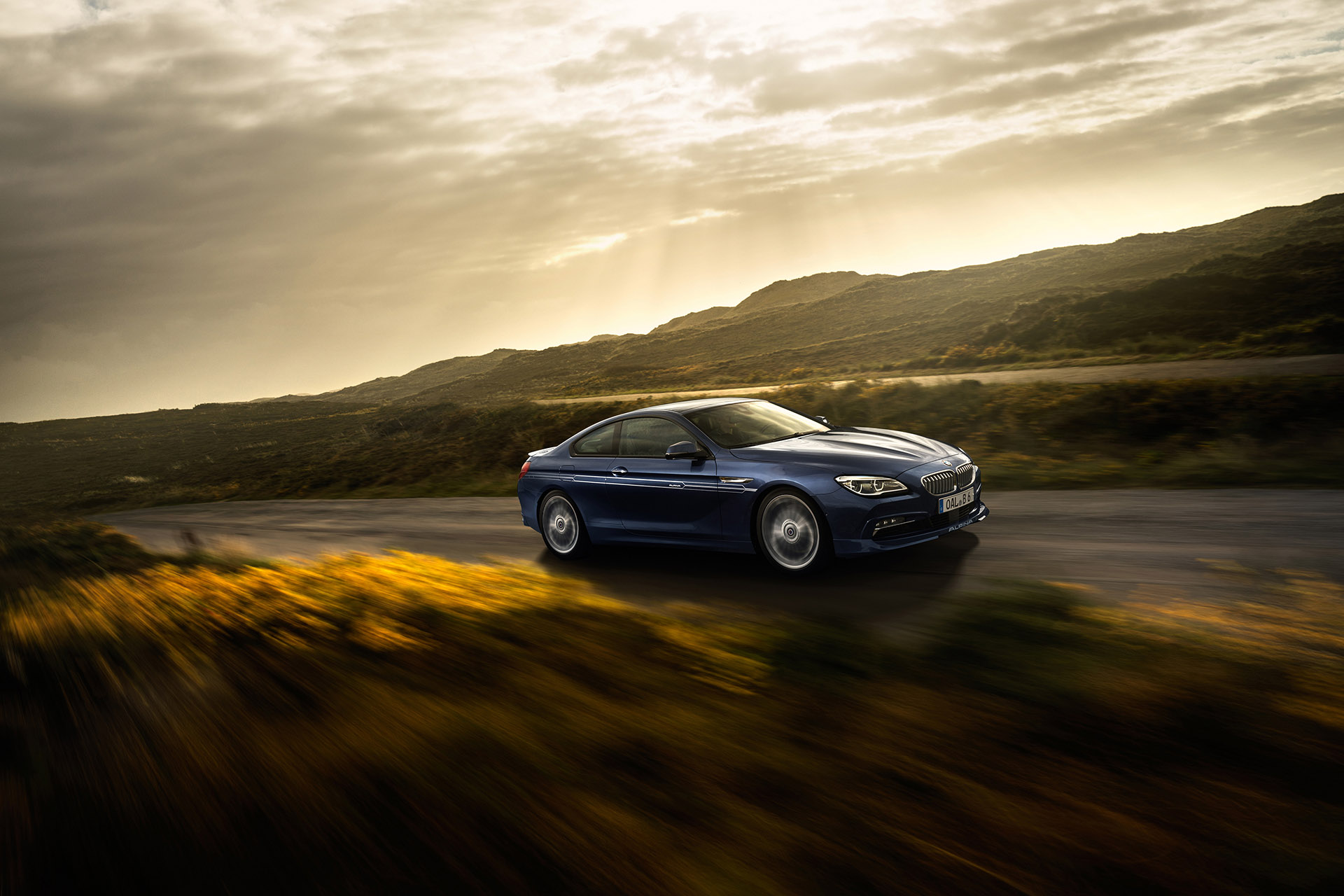
ALPINA already built two full generations of the B6. The E63-based model ran from 2005 to 2010 with a supercharged 4.4-liter V8. The F12/F13/F06 generation followed from 2011 to 2019, eventually adding a Gran Coupe body and, in Edition 50 trim, a 600-horsepower engine that remains the most potent ALPINA ever produced.
Neither car was an M fighter. Both were fast, comfortable, obsessively finished grand tourers that covered huge distances without drama. That is ALPINA’s entire identity distilled into a single body style.
Reports surrounding ALPINA’s relaunch have been candid that smaller models like the B3 and B4 face uncertain futures as the brand chases larger margins at the top of the market. Understandable from a spreadsheet perspective. But a brand that consists of one sedan variant and a handful of SUVs is not really a brand. It is a trim level with its own logo.
A B6 solves that problem. Built on whatever architecture eventually underpins the next generation of BMW’s mid-to-upper range, a two-door or four-door Gran Coupe grand tourer would give ALPINA a second, more accessible entry point. Think of the relationship the B5 has always had to the B7, but with the visual drama of a low-roofline coupe instead of another sedan.
It also sidesteps BMW’s own internal politics. A BMW-badged 6 Series revival has been rumored and denied repeatedly since 2024. An ALPINA-badged one does not require BMW to admit anything, because it would not be a BMW model. It would be a specialist product from a specialist brand, exactly the way ALPINA operated for decades before the acquisition.
BMW tried repurposing the 6 Series name once before, sticking it on the G32 Gran Turismo, a 5 Series-based liftback that looked nothing like a traditional 6 and sold accordingly. The lesson was clear: the nameplate only works when it delivers coupe proportions and grand touring purpose. Anything else is cosplay.
The current ALPINA roadmap reads like a single big bet on the luxury sedan segment. That is a fine opening gambit, but it is not a sustainable portfolio. Buyers who want the ALPINA experience without stretching into Maybach-adjacent pricing currently have nowhere to go.
ALPINA has the heritage, the brand permission, and the nameplate sitting unused. BMW has a gaping hole where its flagship coupe used to be. The only question is whether anyone in Munich is willing to connect those two facts before somebody else fills the void.
Share this Story