
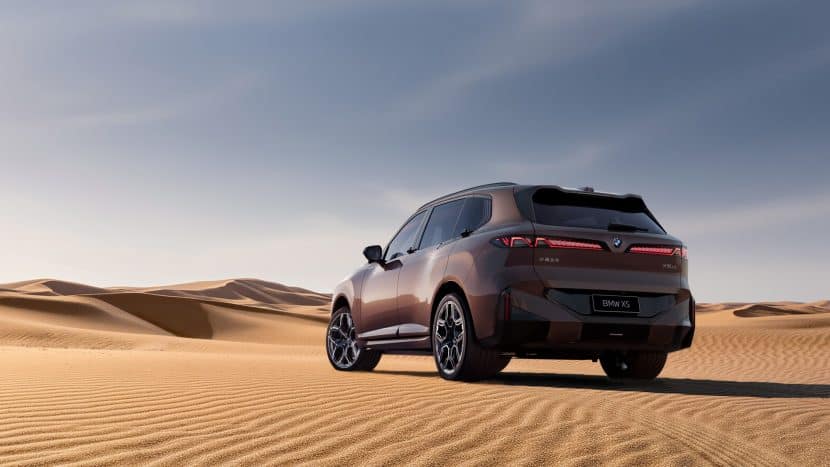


The i3 REx died in 2018, and BMW swore it was done with range extenders. Now a Chinese media report suggests the company is quietly preparing to resurrect the concept in the long-wheelbase iX5, this time with a proper four-cylinder engine instead of the buzzy little motorcycle mill that powered the original.
According to Autohome, BMW plans to slot its turbocharged 2.0-liter B48 engine into the China-exclusive G78 iX5 as a dedicated generator. The engine would have no mechanical connection to the wheels. Its sole job would be recharging the battery pack while driving, essentially a gas-powered portable charger bolted under the hood.
The timing is awkward. Just months ago, BMW sources indicated that no range-extender production model had been approved. The company was described as taking a wait-and-see posture, unsure whether China’s extended-range EV boom represented a durable shift or a passing fad.
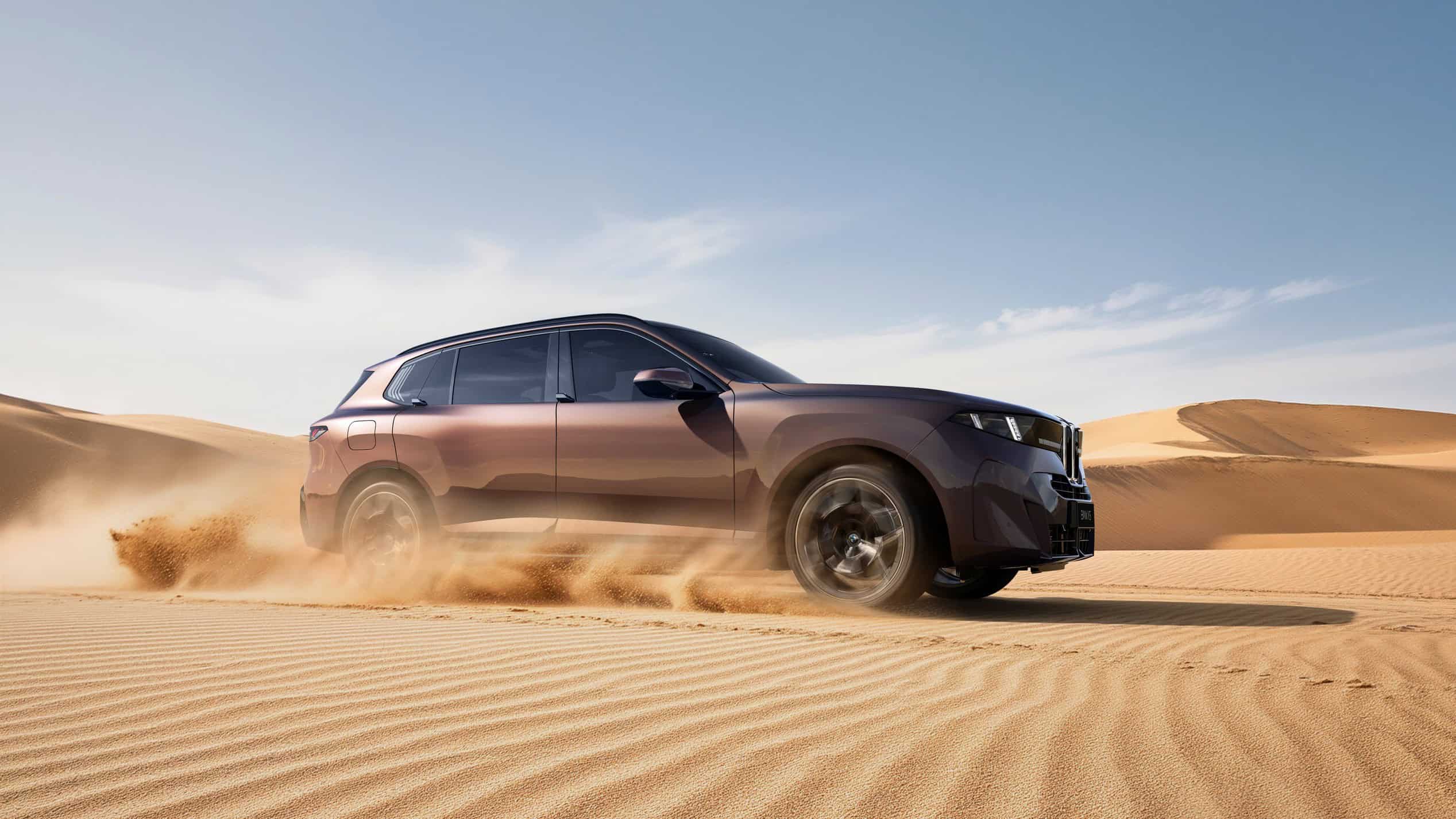
BMW’s own engineers have argued that Neue Klasse’s sixth-generation cylindrical battery cells, offering 20 percent higher energy density than the outgoing prismatic units, make range anxiety a solved problem. The long-wheelbase iX5 is projected to cover more than 621 miles on a single charge under the generous CLTC testing cycle. So why build a range extender for a car that can already do 1,000 kilometers?
Because Chinese buyers keep buying them. Extended-range EVs have exploded in China’s market, driven by brands like Li Auto that built their entire business around the concept. Consumers there trust the security blanket of a gas engine even when the battery alone could handle their commute ten times over. Rational or not, the demand is real, and BMW has repeatedly said it will tailor powertrain strategy market by market.
That pragmatism cuts against BMW’s own messaging. The Neue Klasse platform was supposed to be the answer to every EV concern, a clean break from the compromises of transition-era electrification. Adding a combustion engine as a generator to a vehicle already capable of extraordinary range is not a clean break. It is an admission that battery specs on a spec sheet do not always close the sale.
If Autohome’s report holds, the iX5 REx would arrive around 2028 and become the sixth powertrain variant in the X5 family, joining gasoline, diesel, plug-in hybrid, battery electric, and hydrogen versions. That is an extraordinary spread for a single nameplate. It also suggests BMW is hedging its bets far more aggressively than its public confidence in full electrification would imply.
BMW has not confirmed any of this, and the company’s official line remains unchanged: no REx has been greenlit. But the pieces fit. A China-specific long-wheelbase body already exists, the B48 engine is mature and cheap to produce, and the competitive pressure from domestic Chinese automakers selling EREVs at aggressive prices is not something Munich can ignore forever.
The real question is whether a China-only range extender stays in China. BMW built the i3 REx as a global product, and if the iX5 version works, pressure to offer it in markets where charging infrastructure still lags will be difficult to resist. An iX7 REx for China is already being floated as a logical follow-up.
BMW killed the range extender once. Bringing it back with a bigger engine and a straight face will require some careful storytelling.

Share this Story