
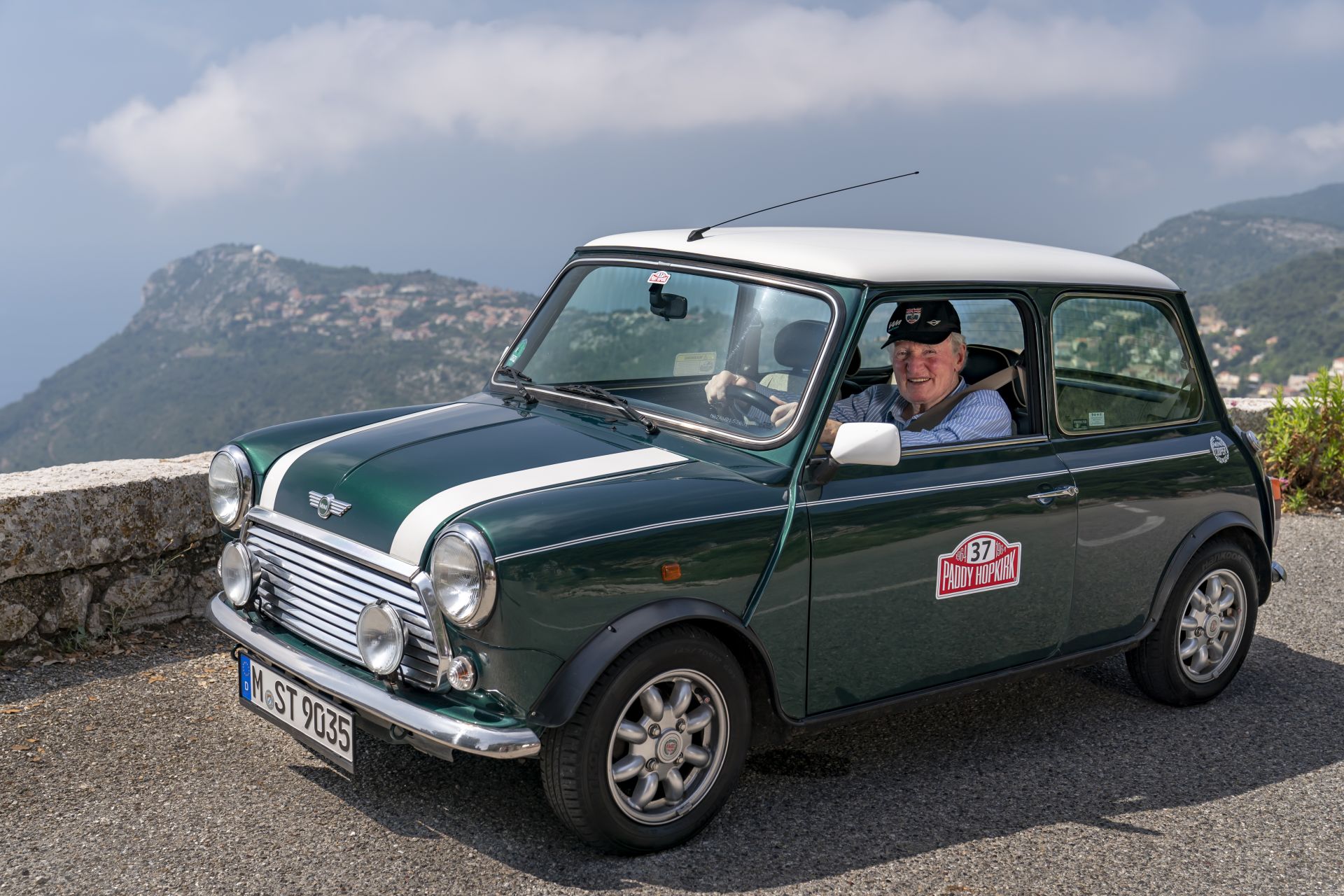


MINI delivered 149,538 vehicles worldwide in the first half of 2026, up 11.7 percent. Every time you read a number like that, somebody at a rival publication floats the idea of selling the brand. The math says otherwise.
Those 150,000 cars aren’t just MINI’s business. They share front-drive architecture with the BMW X1, X2, 1 Series, and 2 Series Gran Coupe. The Countryman rolls off the Leipzig line alongside the X1 and X2.
Kill MINI and those development costs, supplier contracts, and plant utilization hours don’t vanish. They land on BMW’s compact models, the exact segment where BMW’s own margins are already razor-thin.
But the growth is lopsided in ways that should worry Munich. The gains came from Europe. In the United States, MINI finished the half at 13,717 units, down from 14,592 a year earlier.
The Cooper 2 Door dropped 31 percent in Q1. The Cooper 4 Door fell 16.8 percent. The Countryman crossover held the line while the hatchbacks bled out.
That inversion tells you everything about where the premium B-segment hatchback stands in 2026. Audi already walked away from the A1 entirely. Buyers who once would have cross-shopped a Cooper S now want a raised seating position and cargo space for a Labrador.
MINI was built around a 10-foot city car. The car that defined the brand is now its weakest seller.
So what do you do with a brand you can’t sell, can’t shrink into a badge engineering exercise, and can’t keep funding on a declining segment? You make the cars different enough to earn their keep. Three moves stand out.
BMW’s Neue Klasse platform is natively rear-driven. The current electric MINIs put more torque through the front axle than the steering wants to handle, and no amount of “go-kart feel” marketing fixes a wheel that tugs under throttle. Moving the next generation onto Neue Klasse hardware solves that physics problem cleanly.
A rear-drive MINI isn’t heresy. The go-kart tagline always described how the car felt, not which wheels were driven. Take it further: a rear-drive gasoline Cooper would become the cheapest rear-wheel-drive car in the BMW Group portfolio.
The 1 Series is still front-drive with no clear path forward. That gap is a product opportunity sitting in plain sight.
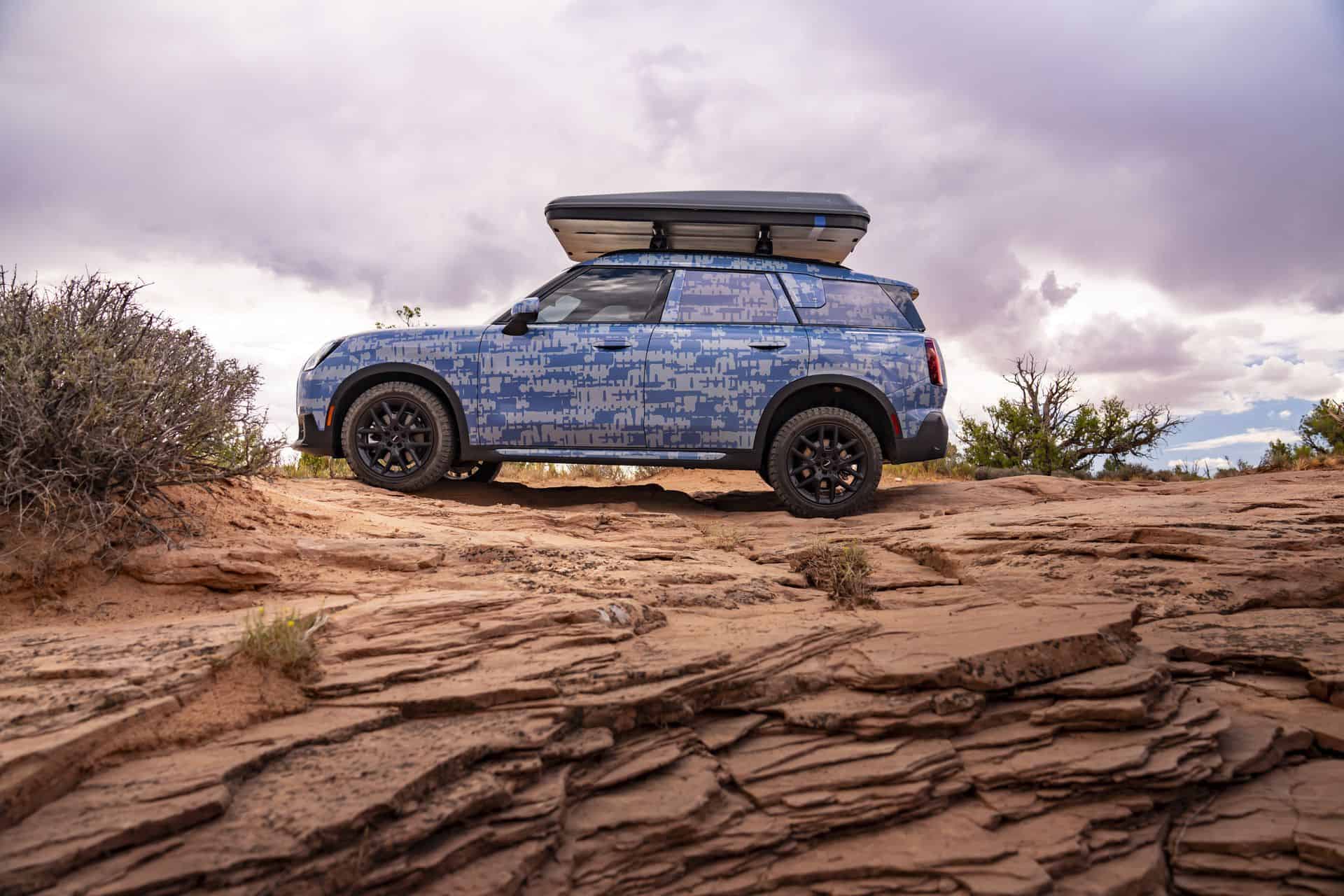
The Countryman needs a real rugged variant, not a limited-run decal package. Lifted suspension, all-terrain rubber, proper cladding. Every mainstream competitor already sells an off-road-flavored trim of a crossover that will never leave pavement, and those trims consistently outsell the base models.
MINI has flirted with the idea without committing. The Countryman is already the volume car. Give it a Trailhawk-caliber variant with actual hardware underneath.
Then there’s the halo car MINI almost built. At Villa d’Este in 2014, BMW and Touring Superleggera showed an electric roadster concept called the Superleggera. BMW constructed a second prototype on the assumption it would be greenlit.
Engineers approached motorcycle manufacturers about low-volume production feasibility. What killed it was a lineup with no room and an electrification strategy that barely existed.
Both conditions have changed. Alpine proved the business case with the A110, a small French sports car from a brand with no continuous sports-car lineage that sells every unit it builds, often to people who cross-shopped a Porsche Cayman. MINI has never gone after that buyer.
The dream version puts a B58 3.0-liter inline-six behind the front axle, offers a manual gearbox, and prices it where a proper mid-engine sports car belongs. Packaging a six-cylinder engine in something wearing MINI badges is an engineering headache. BMW’s own instinct in 2026 would almost certainly default to electric.
Fine. But the gas version with three pedals is the one people would line up for, and halo cars were never about volume. They’re about what happens to foot traffic in the showroom.
MINI’s John Cooper Works models currently sit at the top of the range. They are fast, well-sorted hot hatches. There is a difference between a performance trim and a car that makes people stop and stare.
BMW’s board will have to decide soon what the next round of MINI investment looks like. The Superleggera molds are probably long gone. The opportunity they represented is not.

Share this Story