


The U.S. new-car market has shed roughly one million buyers since the start of the decade, and the industry’s response has been a collective shrug. Analysts now project annual sales will settle around 16 million units or lower this year, well short of the 17 million that served as the industry’s north star for years before the pandemic.
Some forecasters no longer believe that benchmark will return before 2030. A few doubt it ever will.
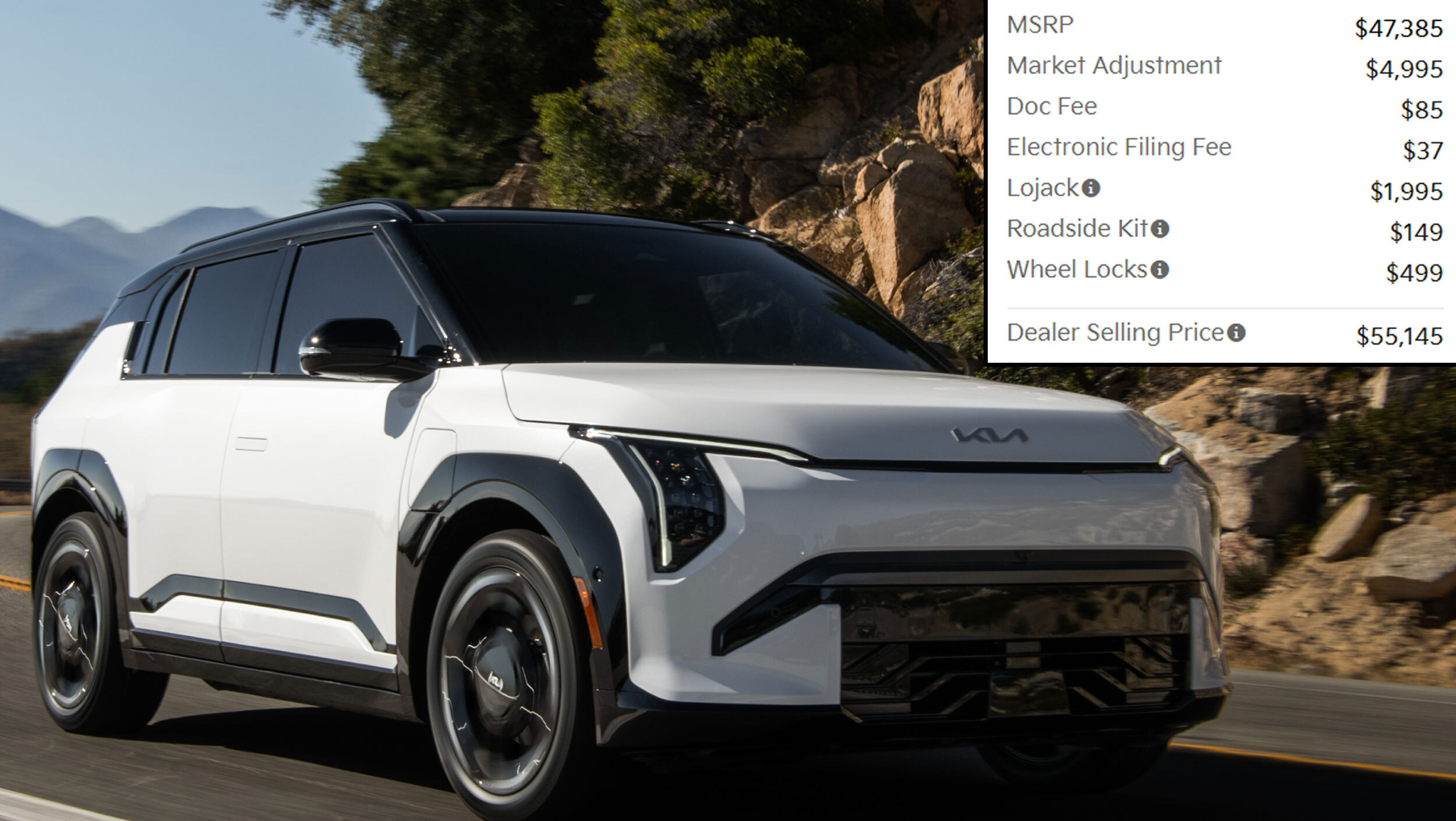
The math isn’t complicated. The average new vehicle transaction price now sits near $50,000. Interest rates remain punishing, insurance premiums keep climbing, and fuel costs grind away at whatever’s left in the household budget.
Stack those pressures on top of each other and a million missing buyers starts to look modest.
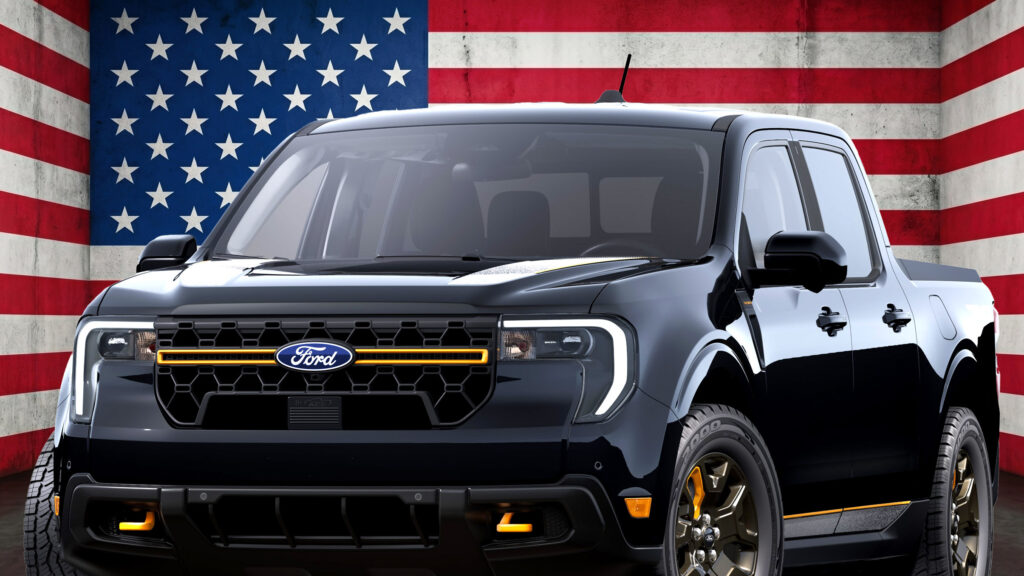
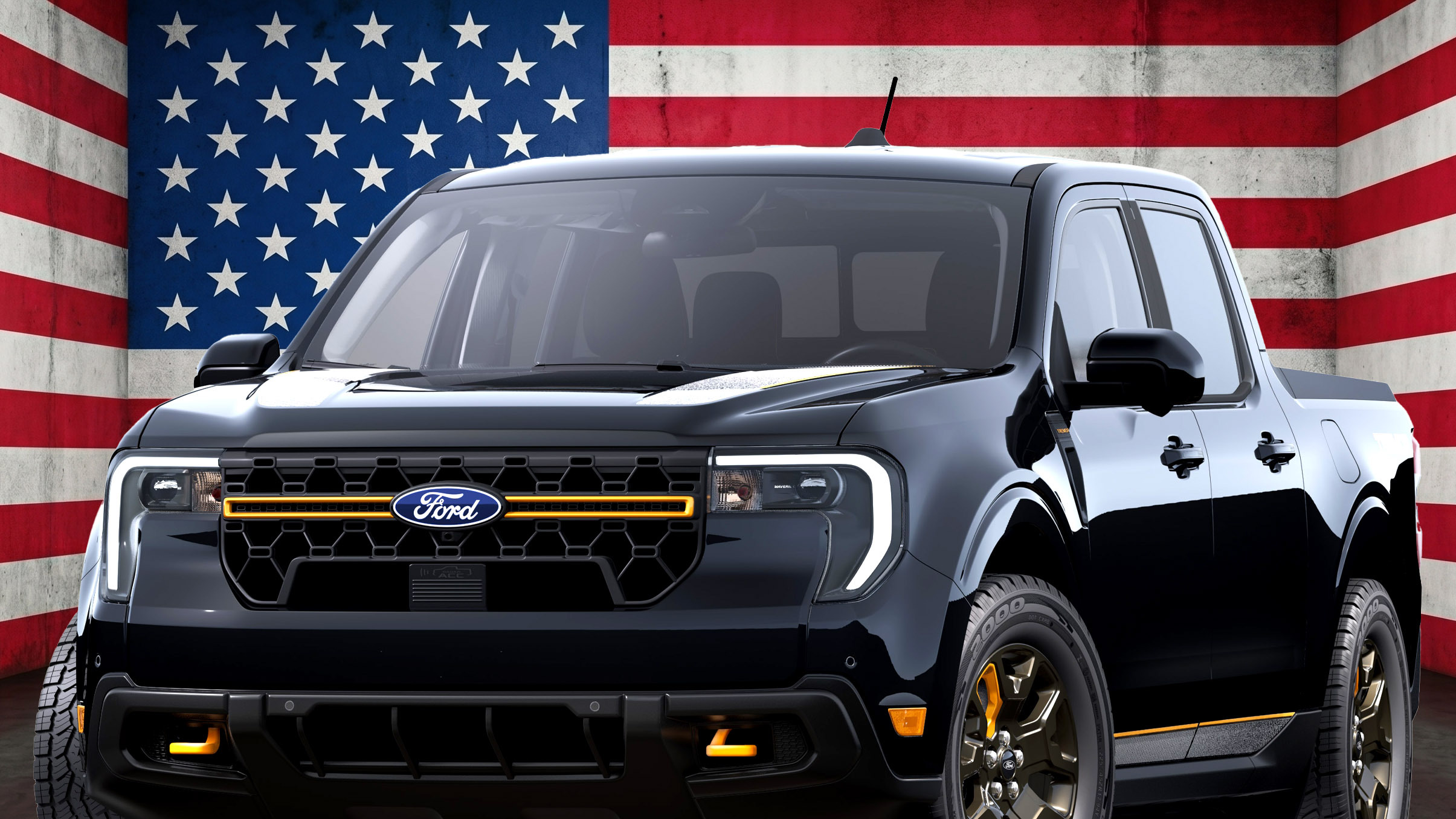
The composition of showroom inventory tells the rest of the story. In 2019, vehicles priced under $25,000 still occupied real shelf space. Today they’re practically extinct. The market has tilted toward trucks and SUVs north of $55,000, and automakers have no plans to rebalance it.
Here’s the thing that separates this cycle from every downturn before it: the manufacturers aren’t panicking. They’re not flooding dealer lots with incentives or racing to undercut each other on sticker prices. The COVID-era chip shortage taught Detroit, Tokyo, and Seoul that selling fewer vehicles at higher margins beats chasing volume every time.
The lesson landed hard, and it stuck.
Auto analyst John Murphy framed it plainly: “Automakers are more disciplined. It’s great for investors, great for stock prices and good for cost of capital. They’re actually running the business in a much more focused way.”
Translate that from Wall Street dialect and it reads differently. The industry has decided it would rather serve a smaller, wealthier customer base than build cars ordinary people can afford. That’s not an accident or a market failure. It’s strategy.
Several automakers have acknowledged the affordability crisis in public comments. Some have hinted at cheaper models in the pipeline. But hinting isn’t shipping, and there’s zero evidence that any major manufacturer is gearing up for a return to genuine entry-level transportation.
America’s total car debt just crossed $1.68 trillion, and the sub-$20,000 new car has effectively ceased to exist.
The discipline Murphy describes is real, and it works for now. Profit margins are healthy. Shareholder returns are solid. Assembly lines run leaner and more predictable than they did during the volume-chasing years.
But businesses built around an ever-narrowing customer base carry a specific kind of risk. A recession, a trade shock, a sudden credit tightening — any of these could expose the fragility of selling expensive machines to a shrinking pool of buyers who can still qualify for financing.
When volume disappears by choice, it’s called discipline. When it disappears by force, it’s called a crisis.
For the million Americans who’ve been priced out, the distinction is academic. They’re driving used cars longer, patching what they have, or simply not buying. The industry that once courted them with zero-percent financing and employee-pricing events has moved on to higher ground and higher margins.
Whether that high ground holds depends entirely on how long the good times last. And in this business, the good times never last as long as the spreadsheets promise.


Share this Story